
Restoration and Release: Artworks from the 12th Annual Florida Prize in Contemporary Art, 2026
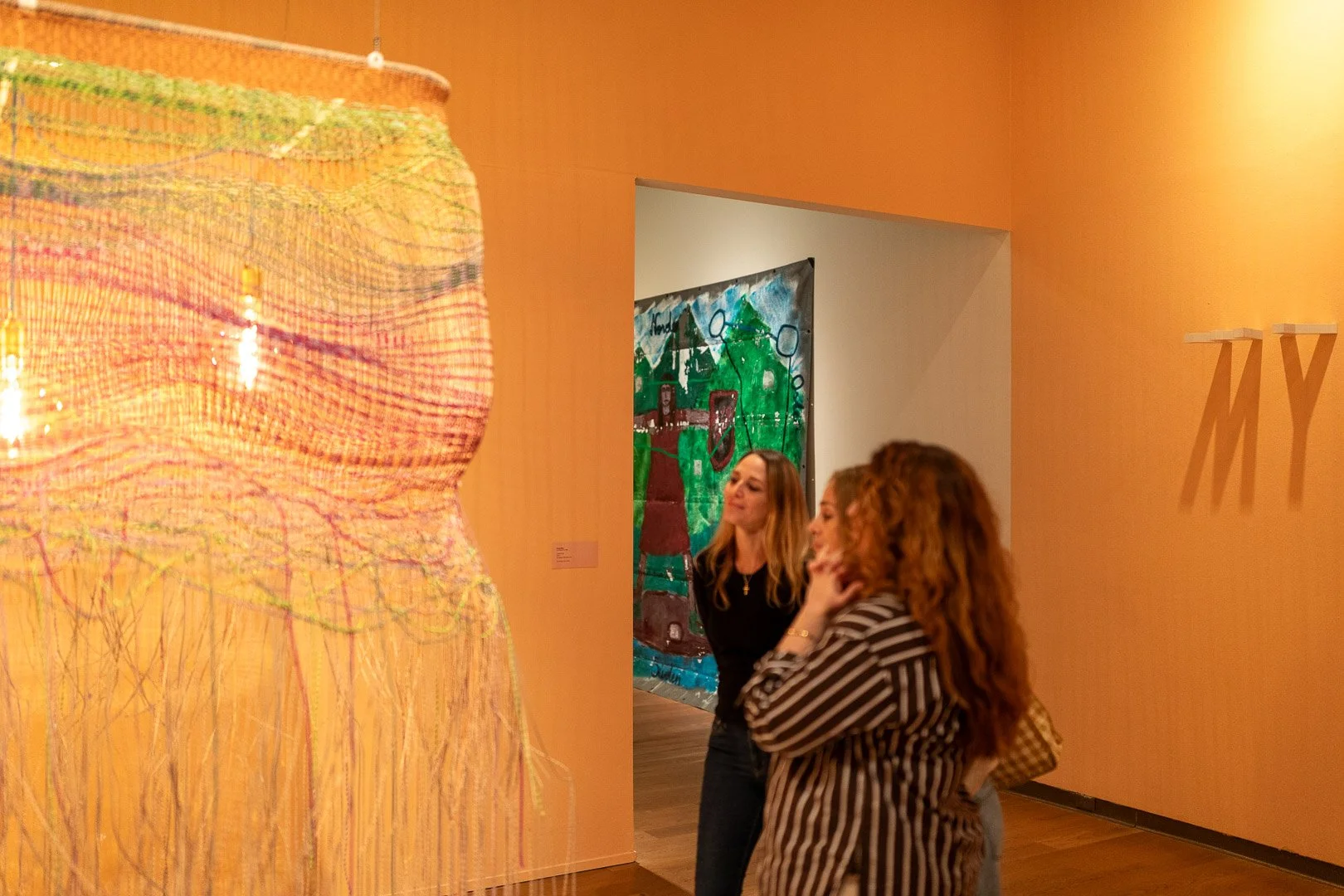
Installation View: 12th Annual Florida Prize in Contemporary Art, Orlando Museum of Art
From Left to Right:
Coralie Claeysen-Gleyzon, The James Cottrell & Joseph Lovett Chief Curator, Maria Guerrero, Founder & CEO, Women in the Arts, Inc., Katherine Page, Associate Curator.
Photography by Laura Serdiuk, Women in the Arts, Inc.
In her coverage for Women in the Arts, Zeny Recidoro-Fesh, examines how the twelve finalist artists have entrusted their viewers with reflections of a constant and changing world, whose cycles are both in part due to the effects of the natural world, but also, the human hand’s shadow over what it aims to control.
For the Orlando Museum of Art, their 2026 Florida Prize in Contemporary Art has curated exalted realms of personal history, constructed through the social and natural worlds that surrounds us. It is a tour through the landscapes of the everyday, alongside the forces of the natural world and the man-made one, whose influence lingers through transformation and the restorative healing that follows. Through reflective contemplation of each other’s own perspectives and positions, we examine cycles that fuel our own power within patterns of repression.
-Osvaldo Martinez Abreu
The 12th Annual Florida Prize in Contemporary Art features artists from different countries, cultures, and artistic practices. They also share a common thread on themes of sensuality, women’s work and bodies, spirituality, and ways of fortifying communities. This year’s finalists are Francisco Masó, Charo Oquet, Mette Tommerup, Ema Ri, Rose Marie Cromwell, Katie Hargrave and Meredith Laura Lynn, Jason Hackenwirth, Jesse Nite, Maria Theresa Barbist, and We are Nice ‘n Easy (Allison Matherly and Jeffrey Noble).
Alongside all twelve finalists, a special congratulations to Francisco Masó, as the juror's winner for the Florida Prize, and Ema Ri as the people's choice winner for the Florida Prize in Contemporary Art.
The Florida Prize in Contemporary Art 2026 is curated by Coralie Claeysen-Gleyzon, The Dr. James Cottrell and Mr. Joseph Lovett Chief Curator, and Katherine Page, Associate Curator, Orlando Museum of Art. The 2026 Florida Prize award juror is Jade Powers, The Hugh Kaul Curator of Contemporary Art, Birmingham Museum of Art, AL.
Jury Winner
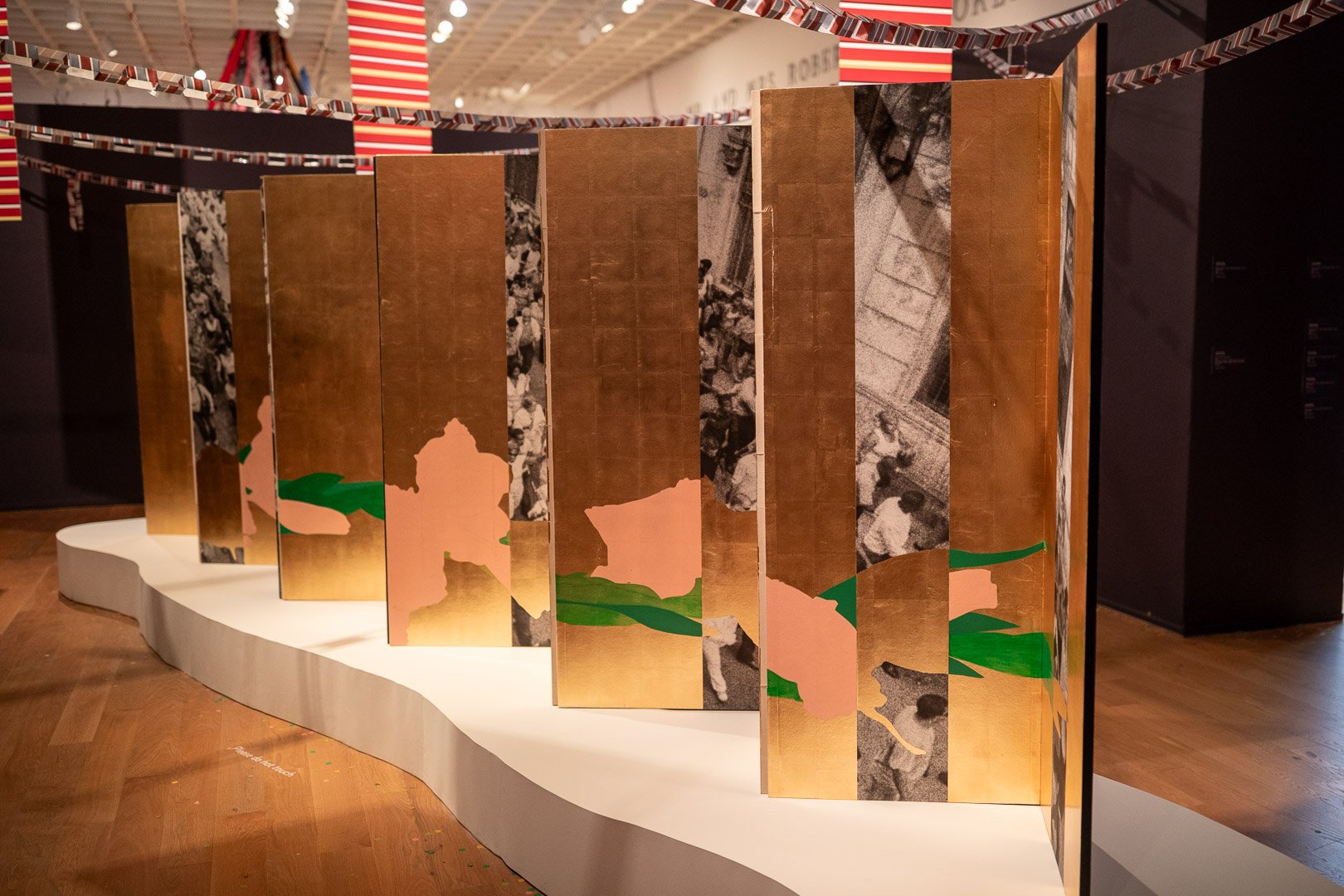
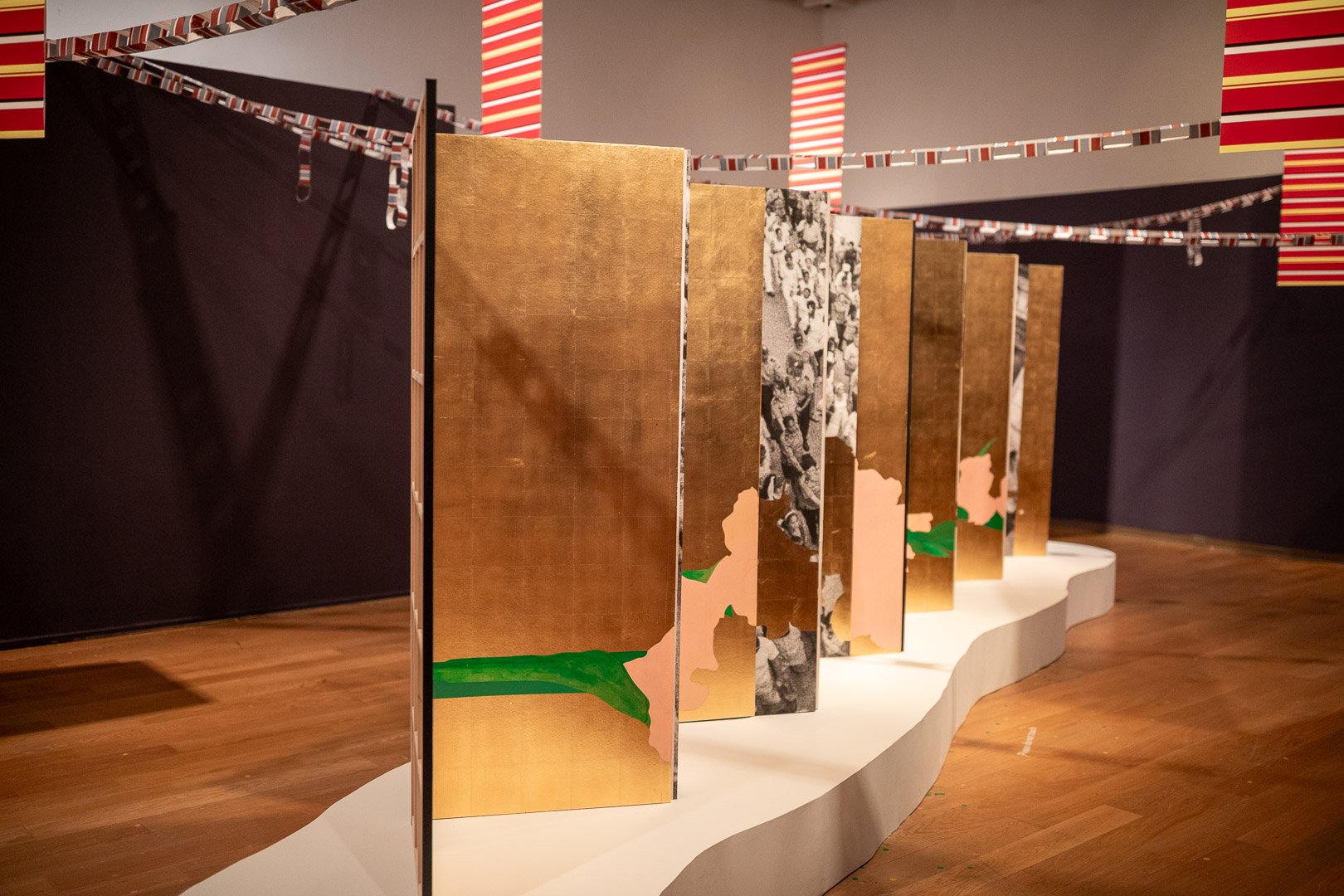
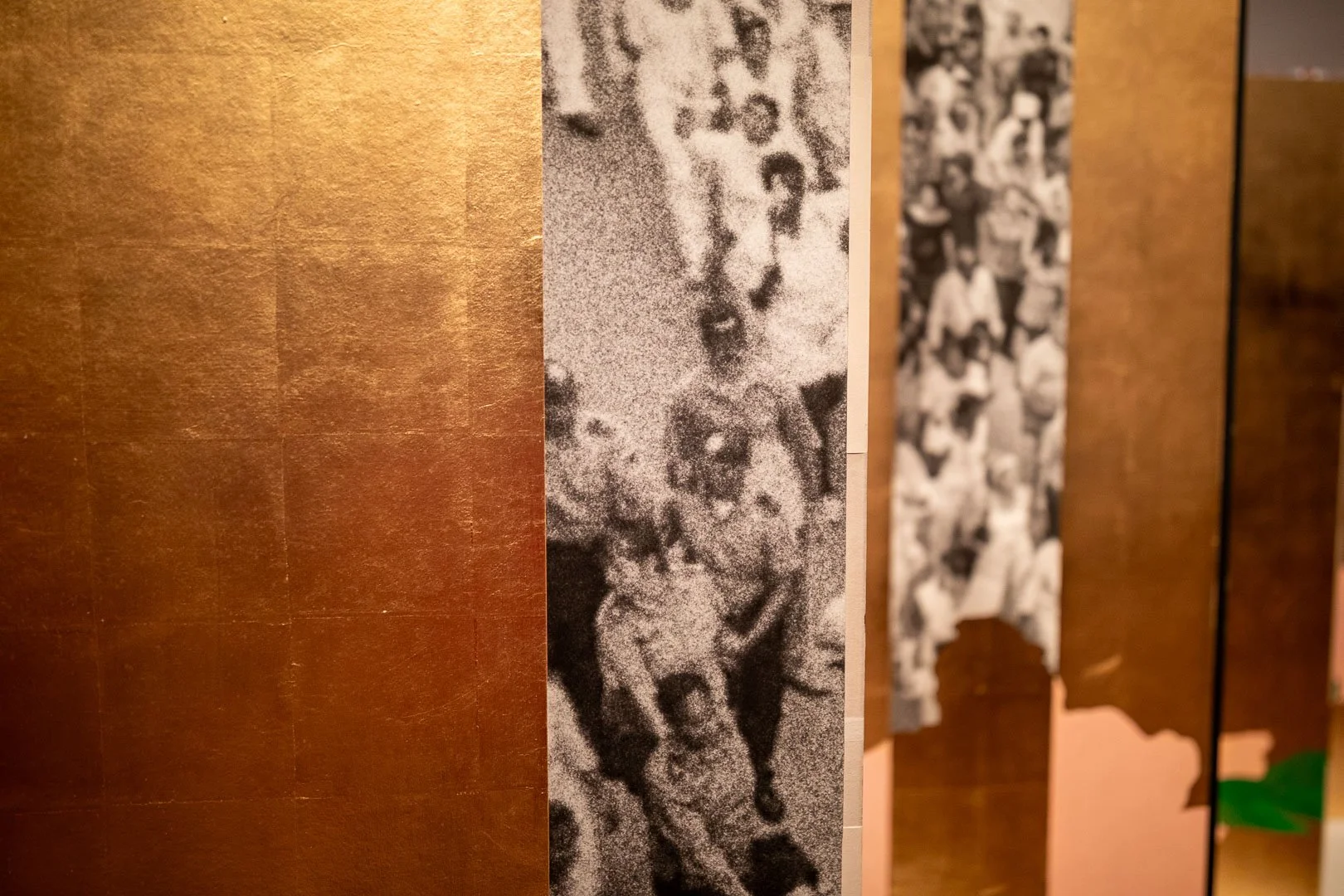
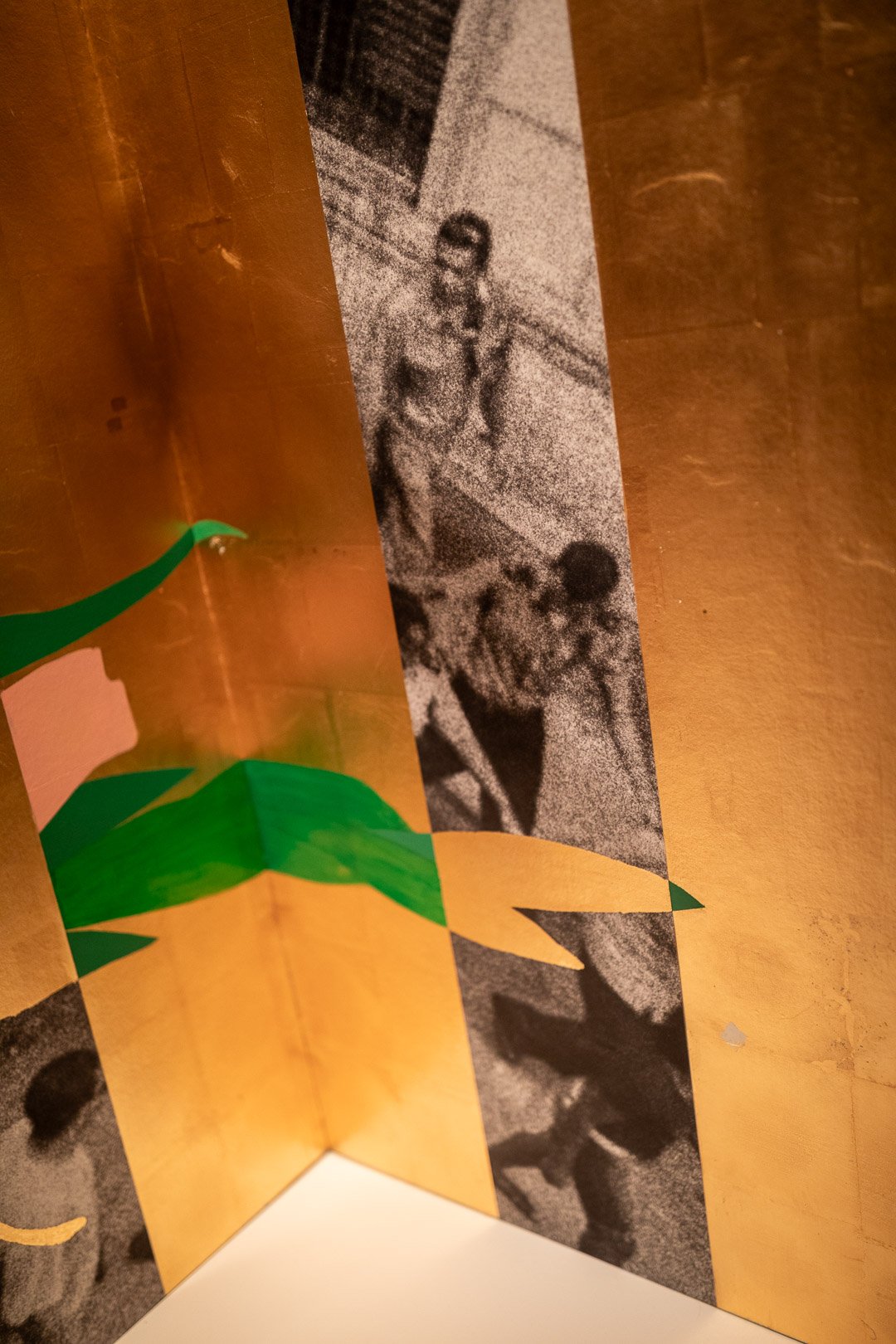
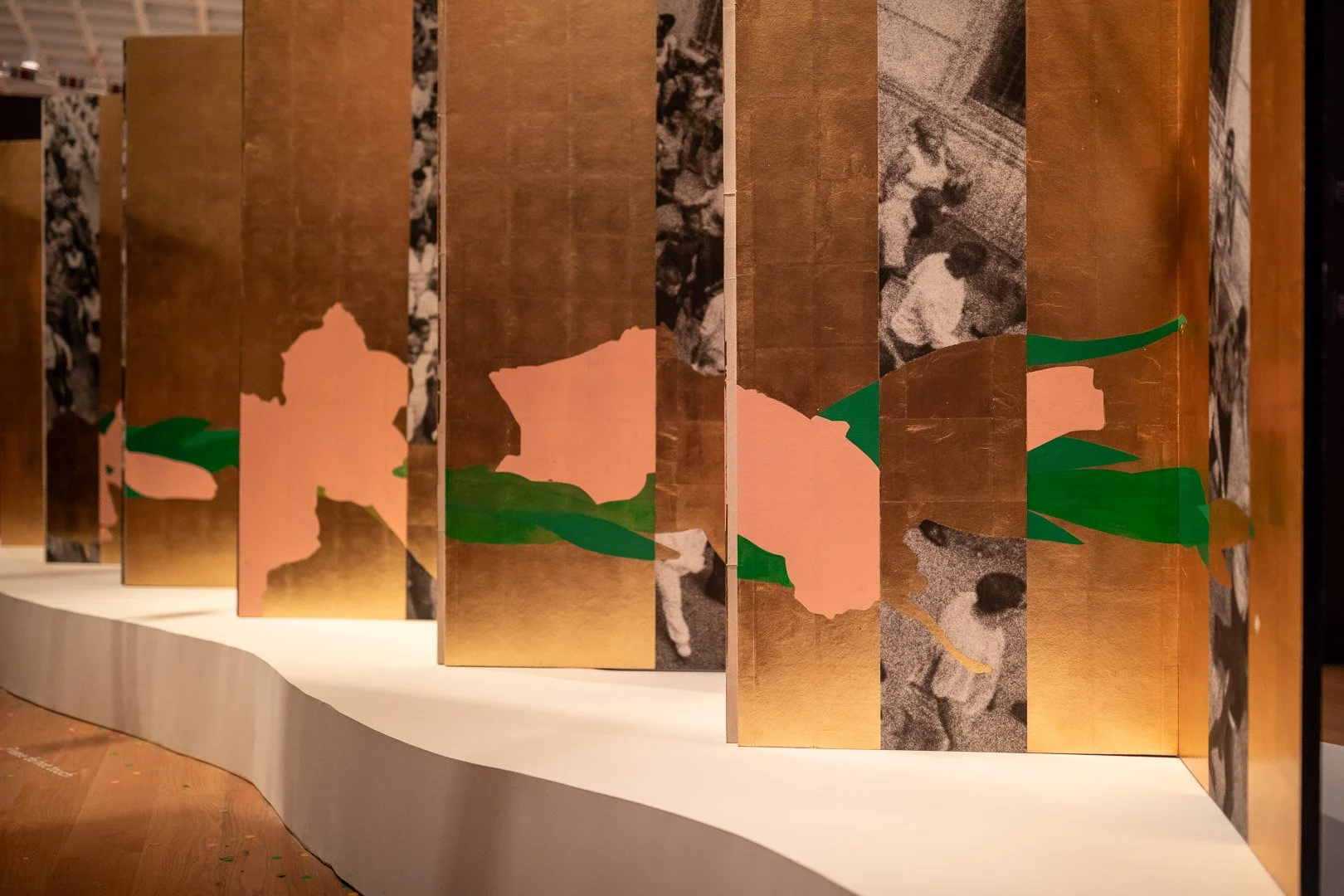
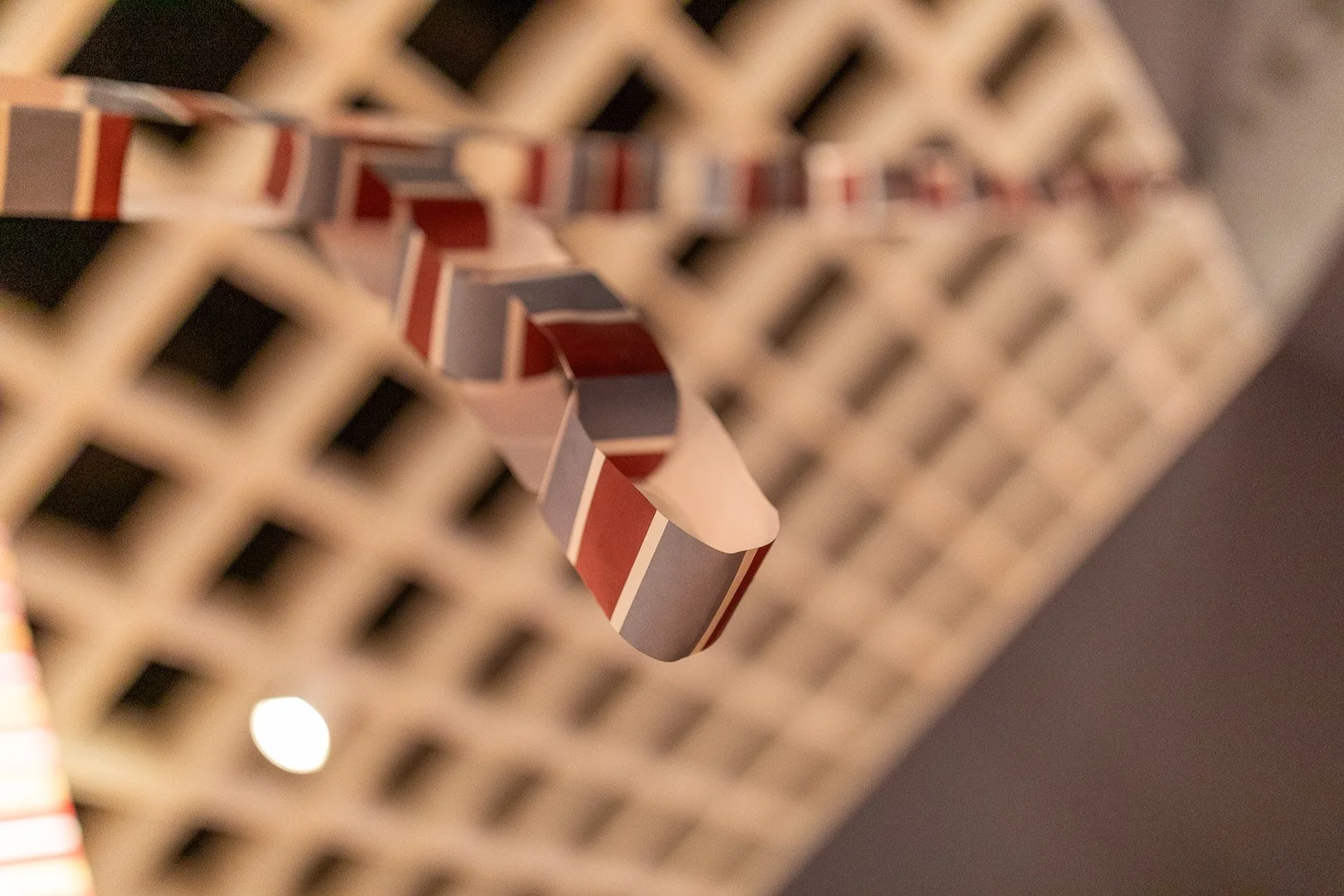
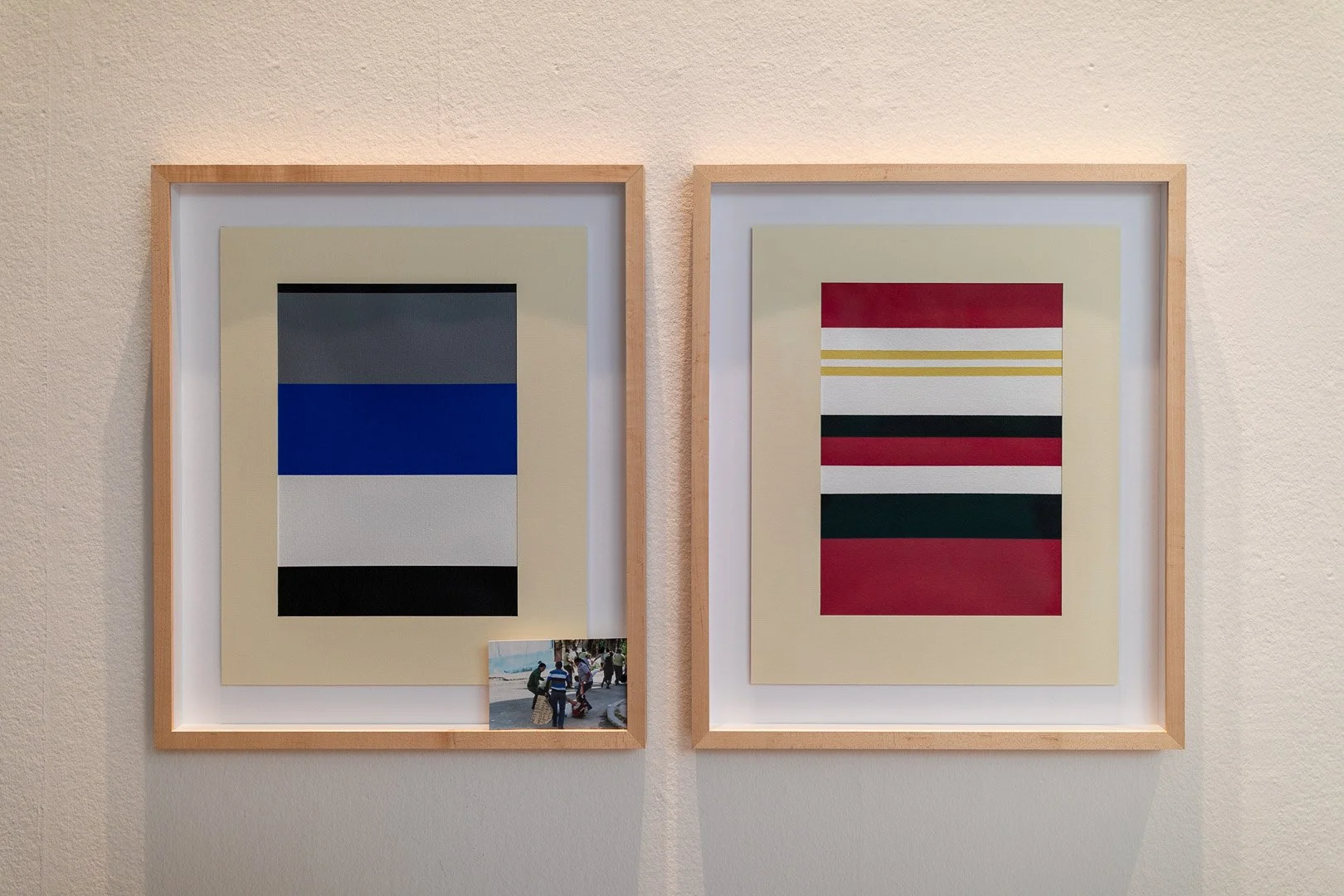
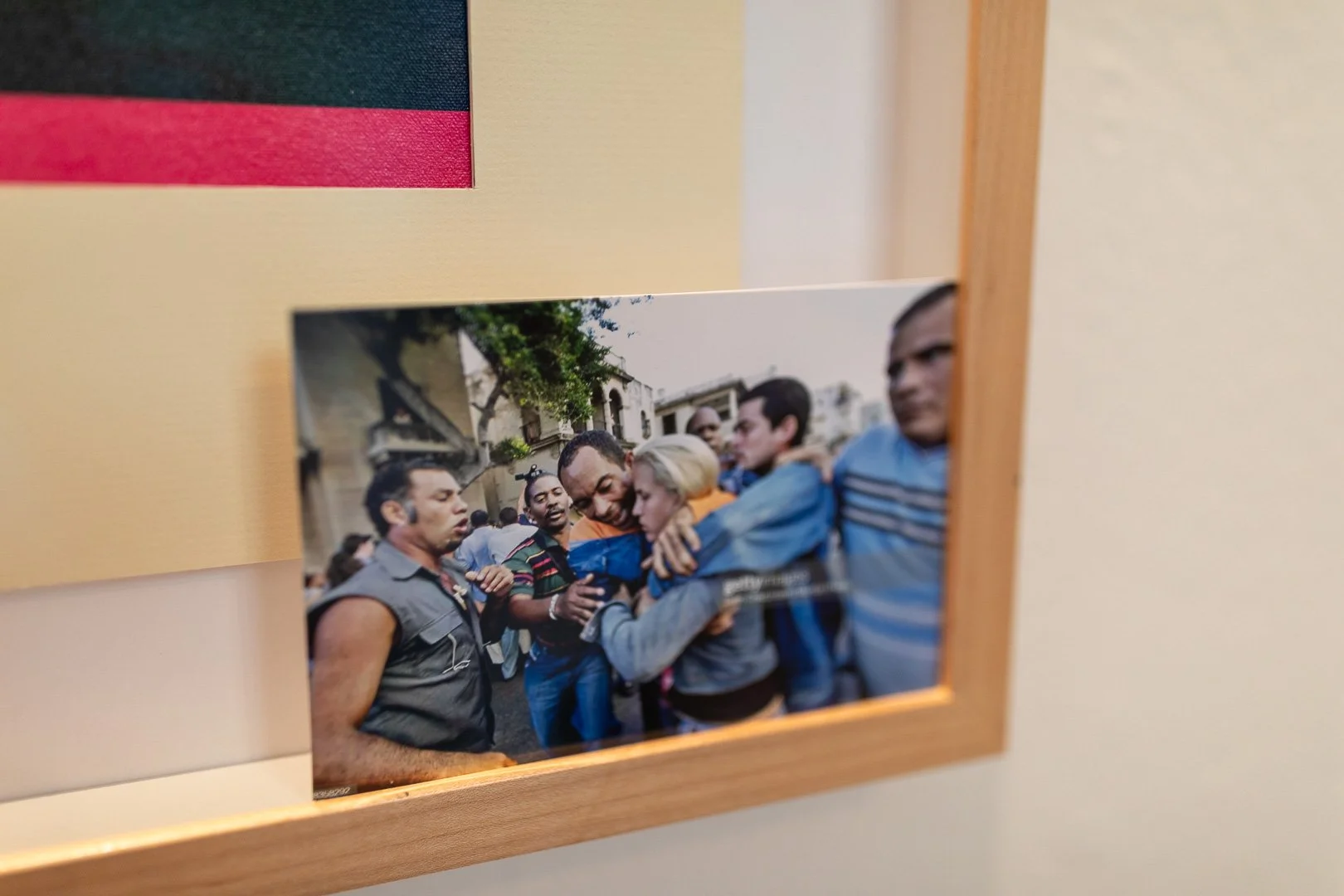
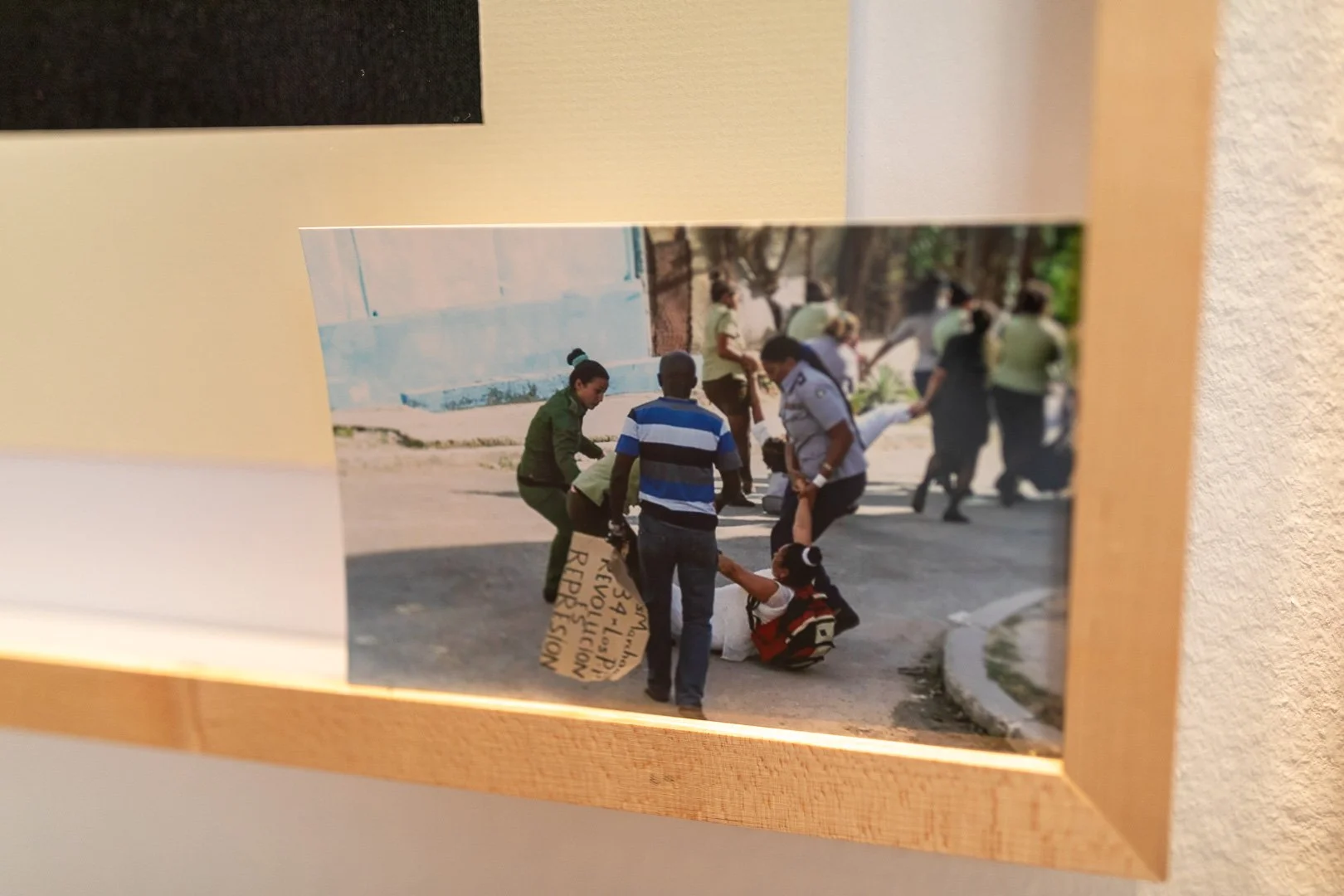
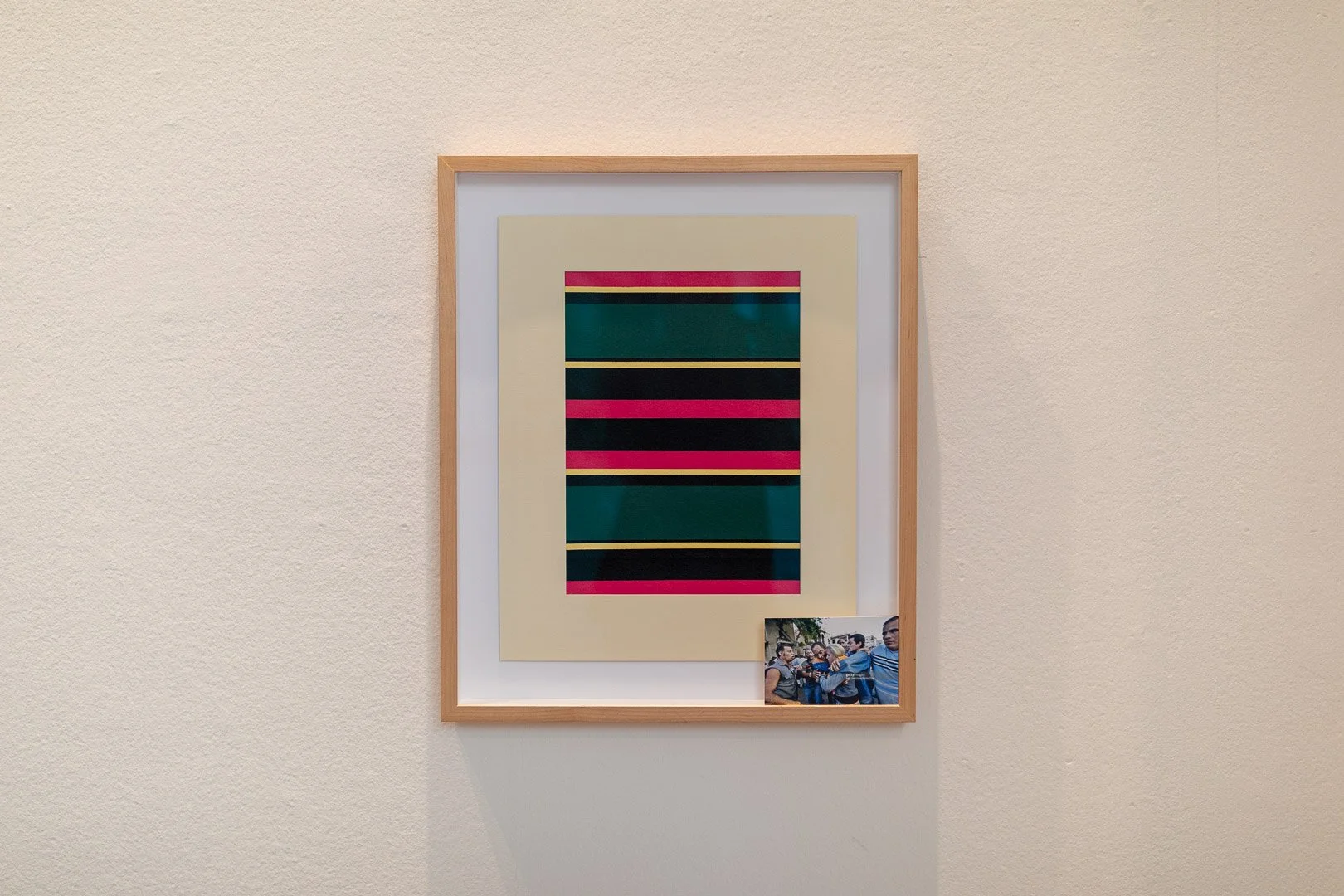
Francisco Masó, who hails from Havana, Cuba, was announced as this year’s winner for the exhibit Aesthetic Register of Covert Forces Series. The exhibition space is saturated with the smell of gunpowder and gladiola flowers, which highlights the stark contrast of beauty and violence which has become a way of life in Havana. Masó presents his viewers with photographs and installation pieces of color block fabrics arranged as chains, flags, and confetti. There is a divider with gladiola flowers painted on them. The images of these shirts and flowers are aesthetic registers of surveillance and protest. The color block fabrics referring to the polo shirts that the State Police wear to disguise themselves as civilians and hide in plain sight. Ironically, these polo shirts, because of their appearance and the fact that they were imported, stand out and have become synonymous with police surveillance and violence. It is satisfying to know that ordinary citizens have managed to subvert and triumph over the punitive acts enacted by their own government. Gladiolas emphasize the role of women, who hold these flowers during rallies, in actively protesting and fighting censorship in Havana. Masó’s Art Prize win resonates with Cuba as it does elsewhere, emphasizing that issues of state surveillance and extreme violence are shared experiences with as much urgency as joy and celebration.
People's Choice Winner
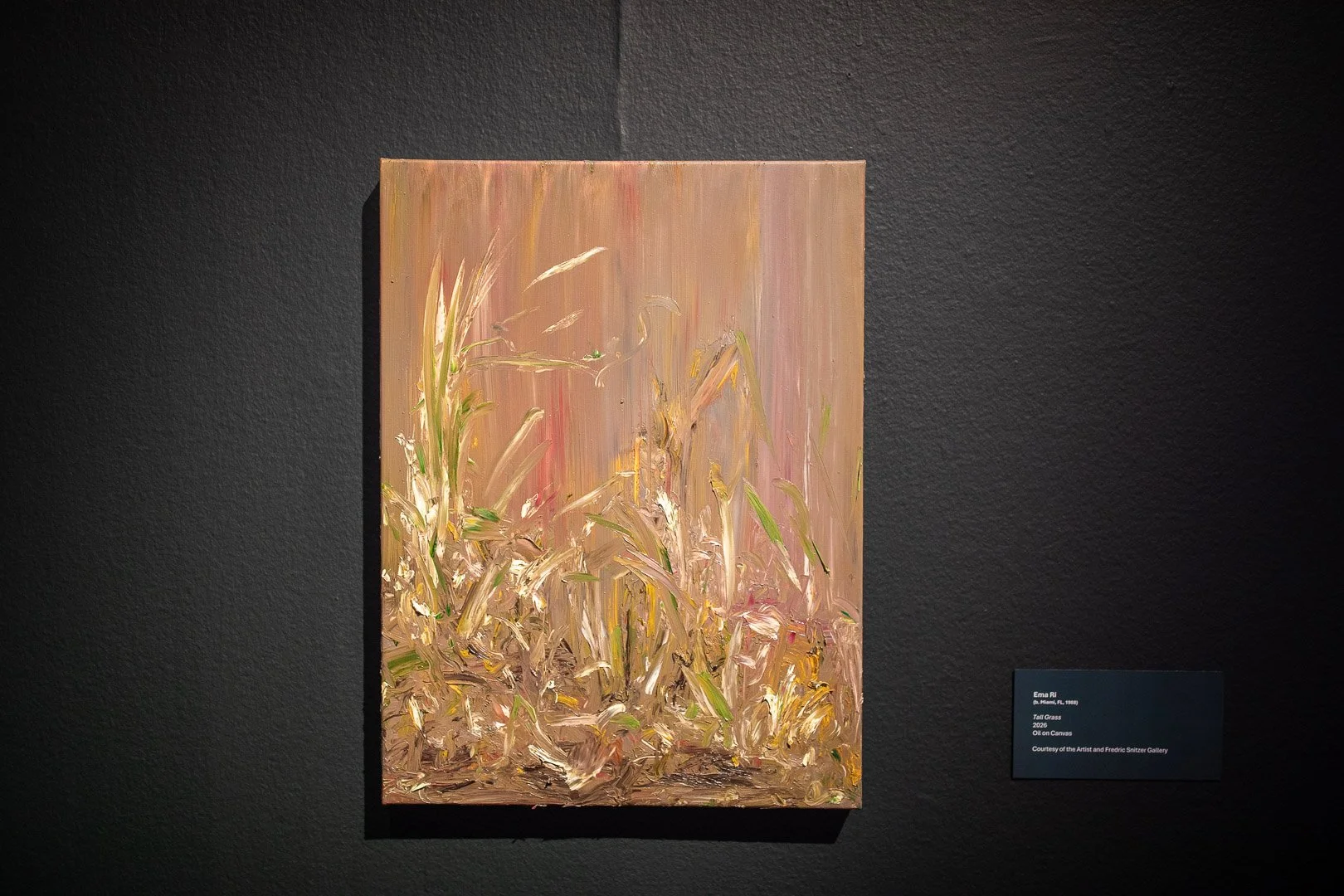
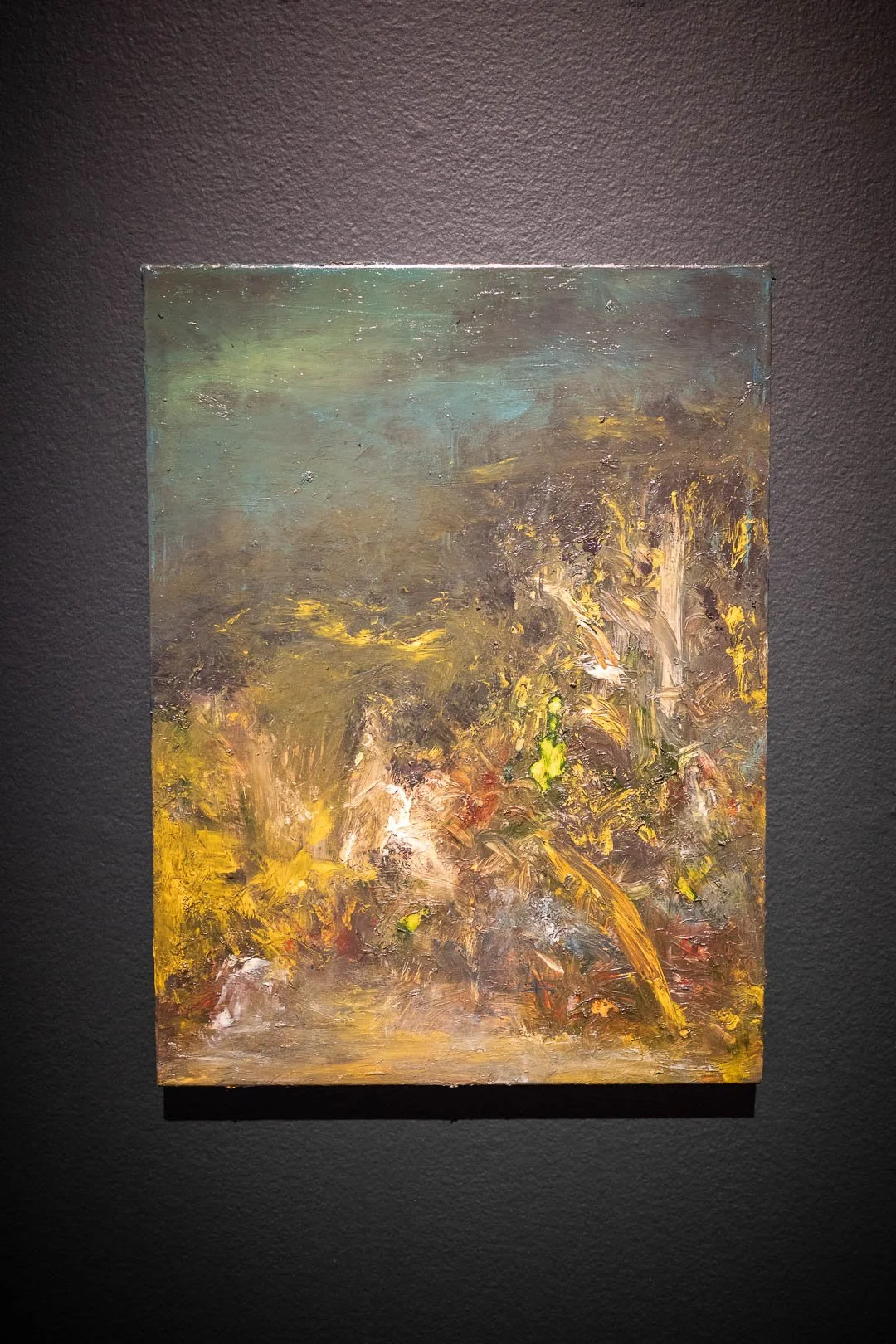
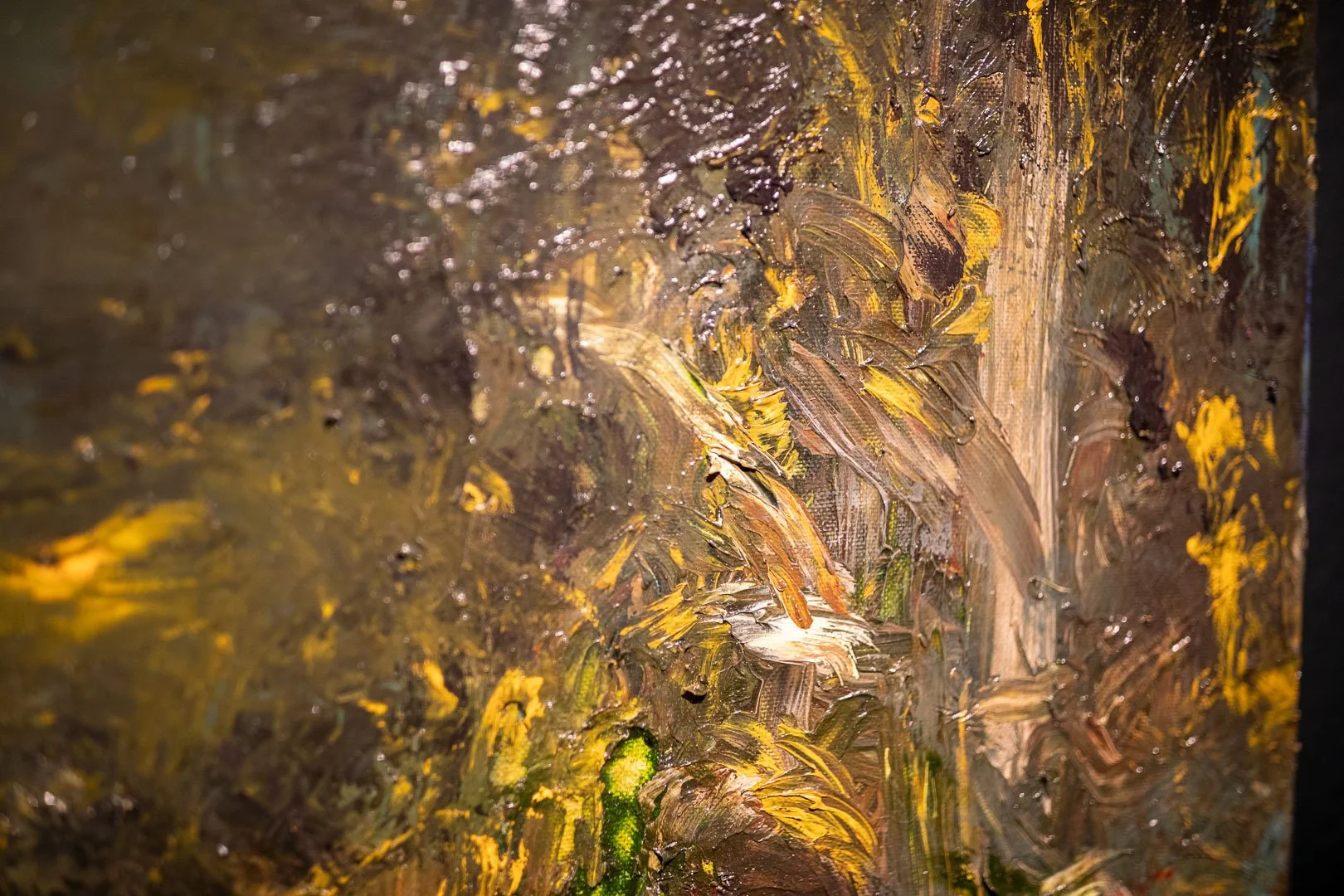
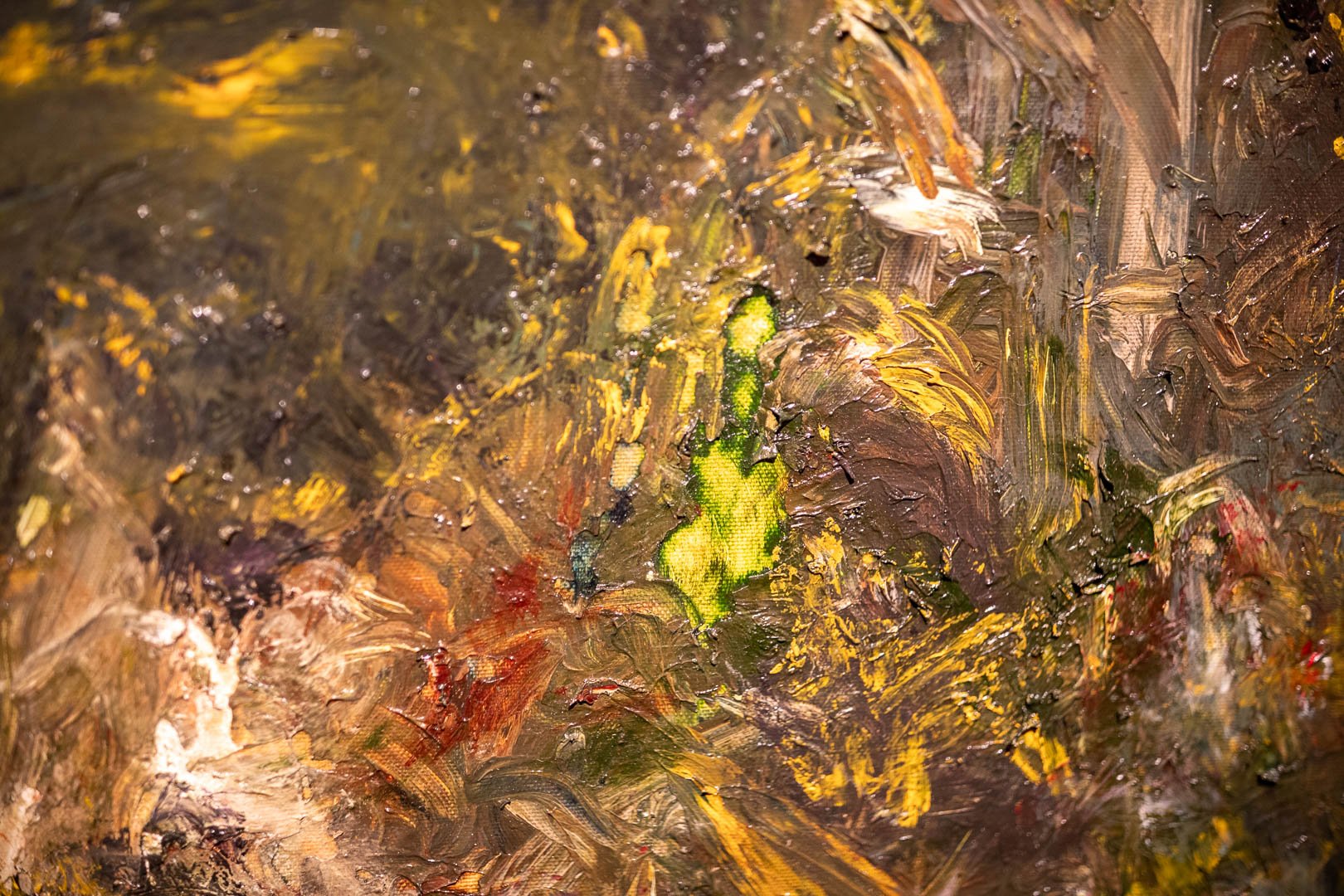
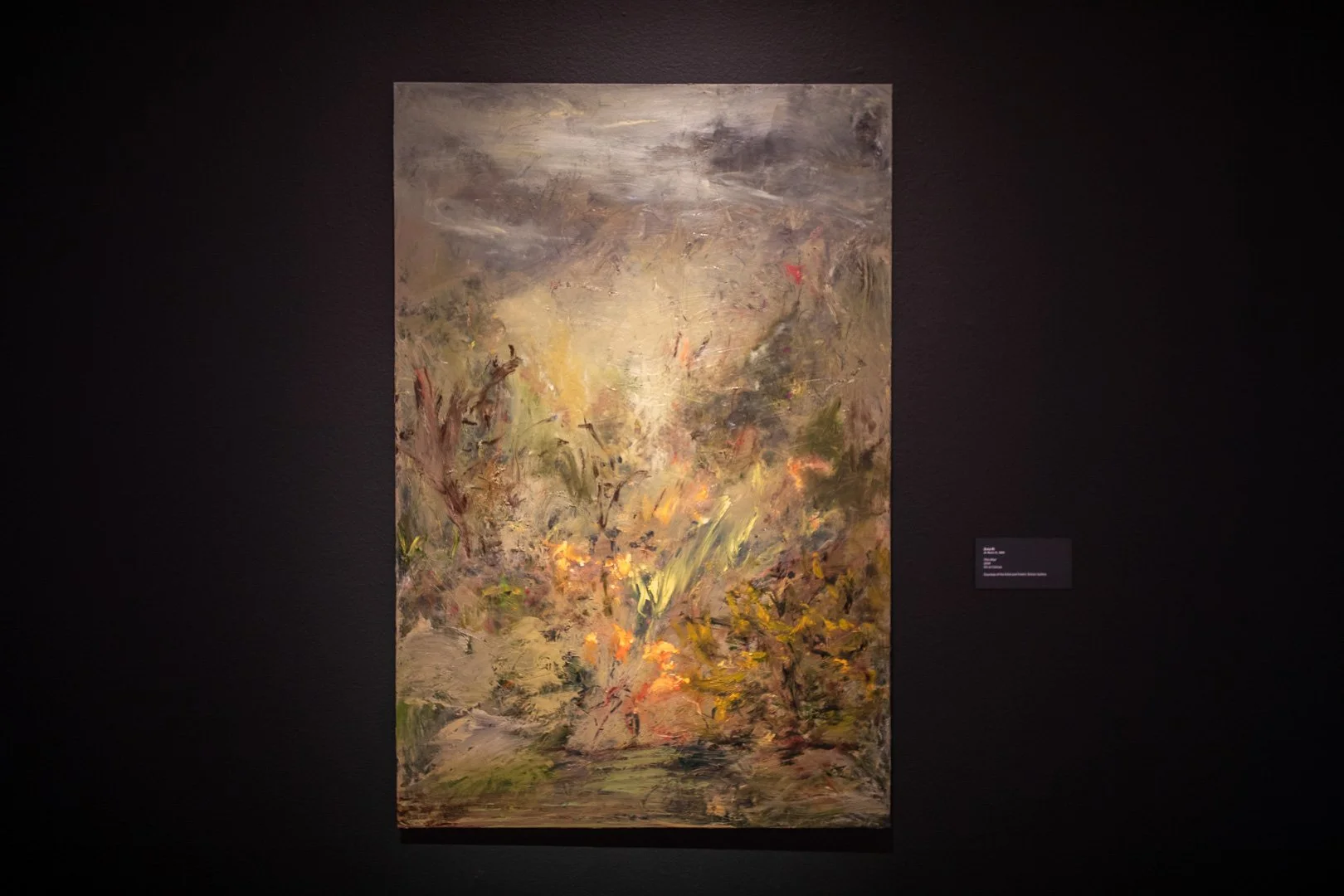
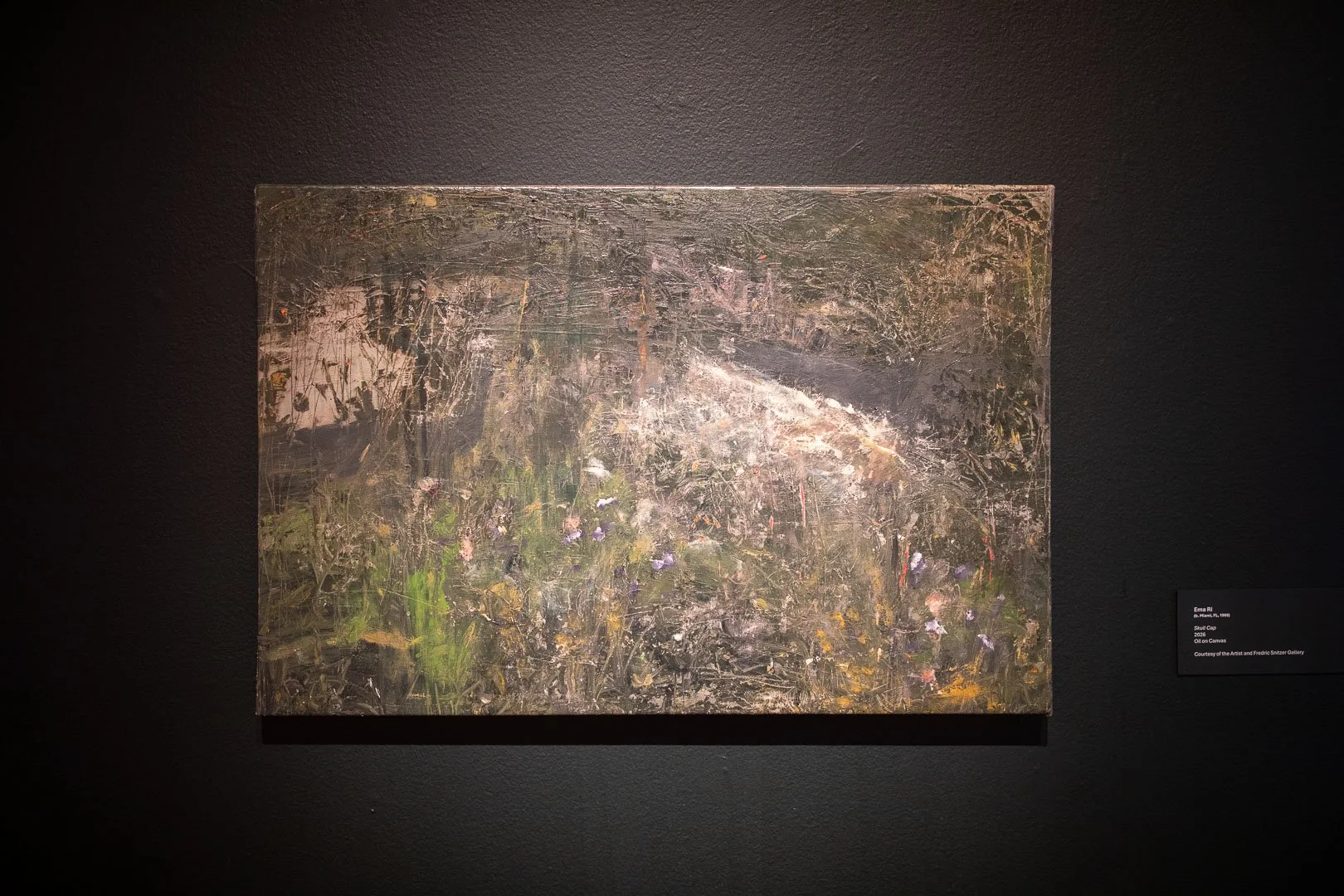
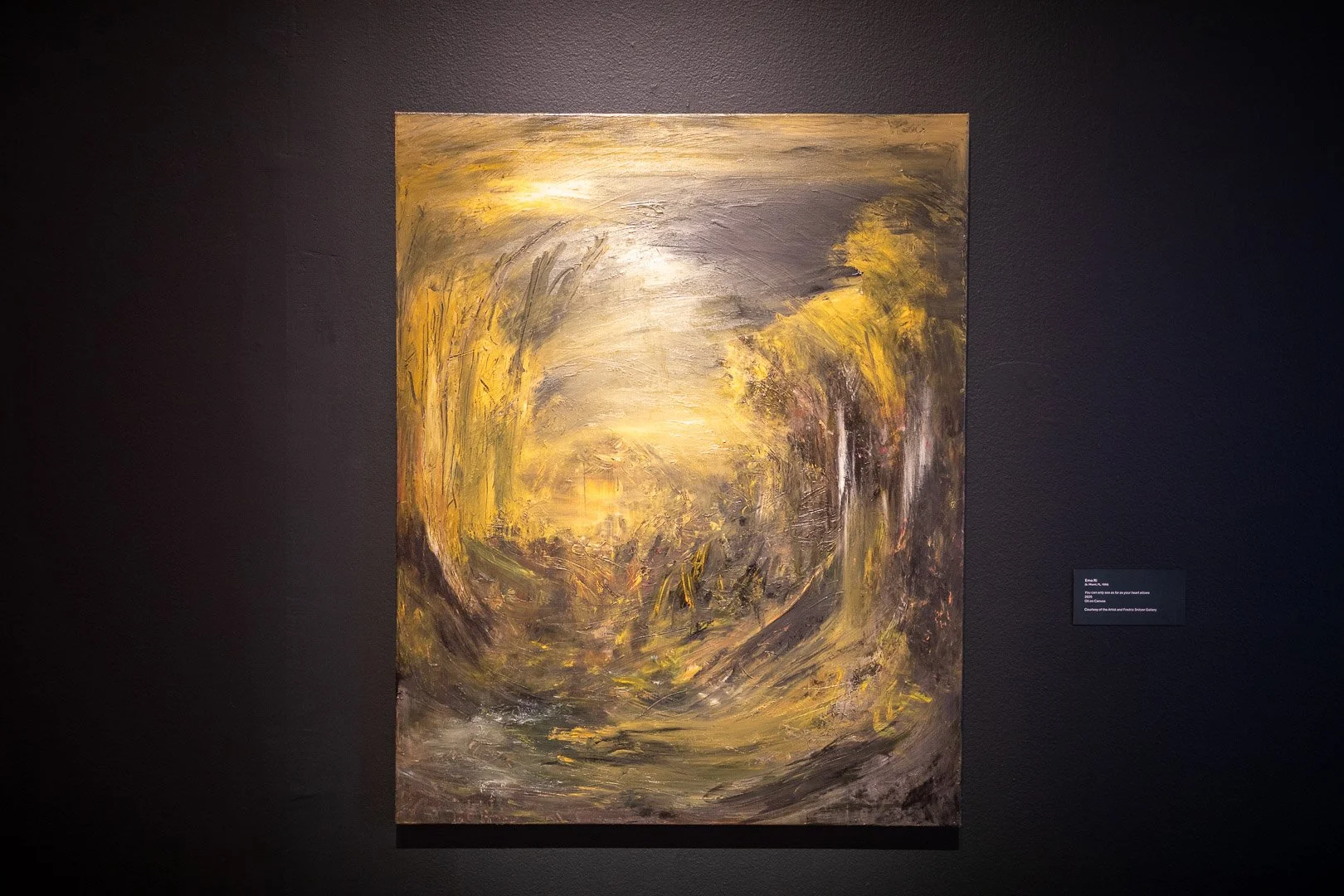
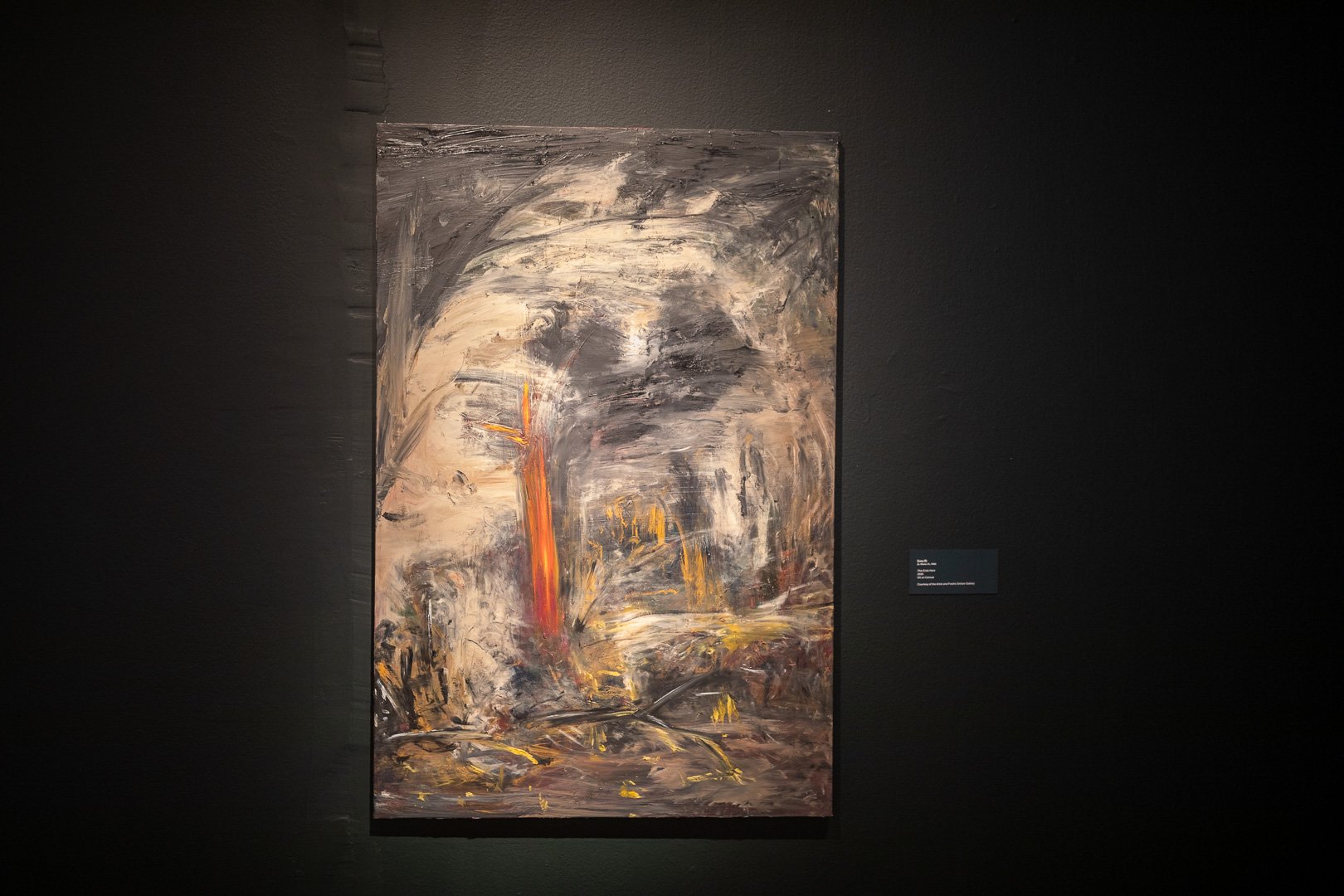
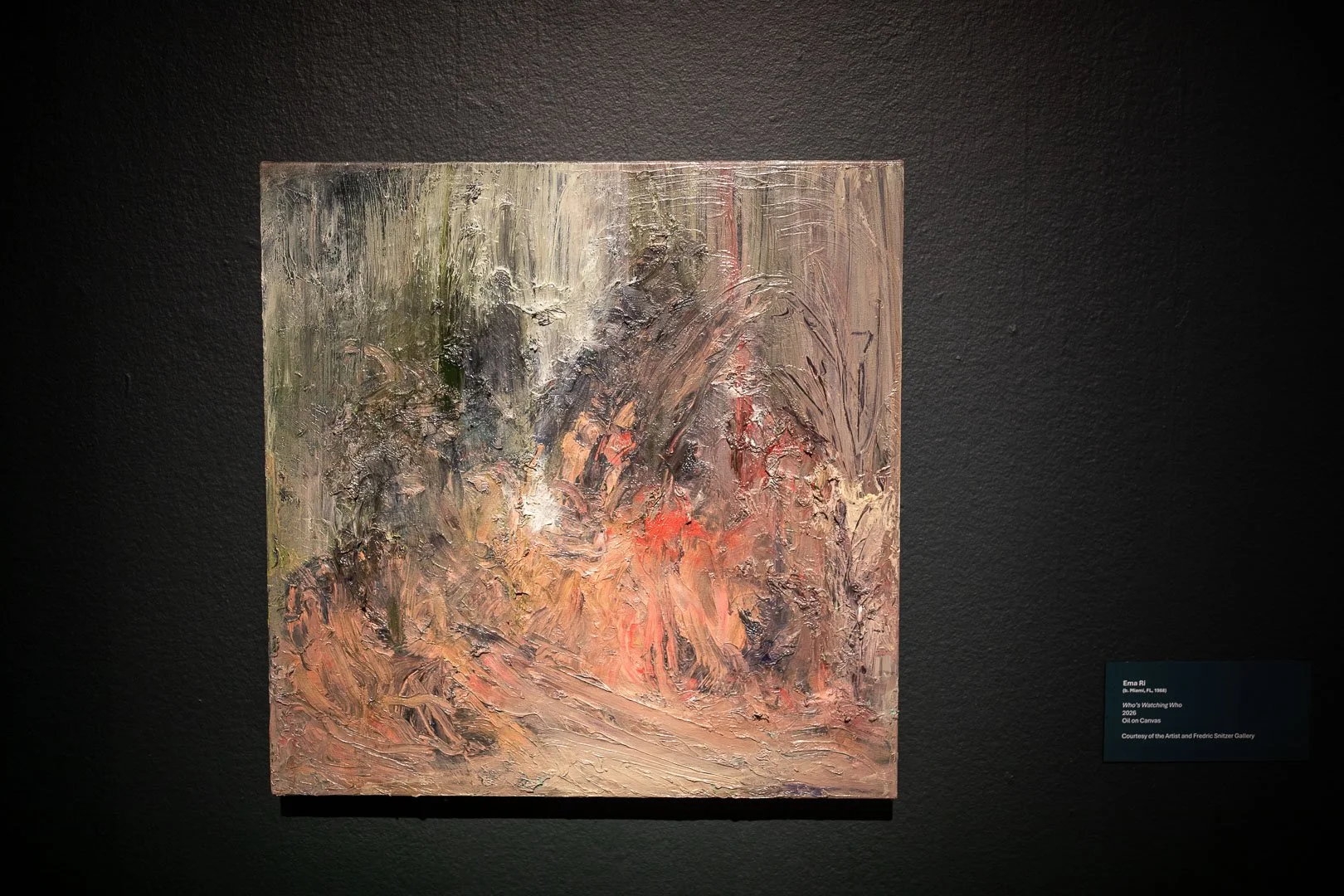
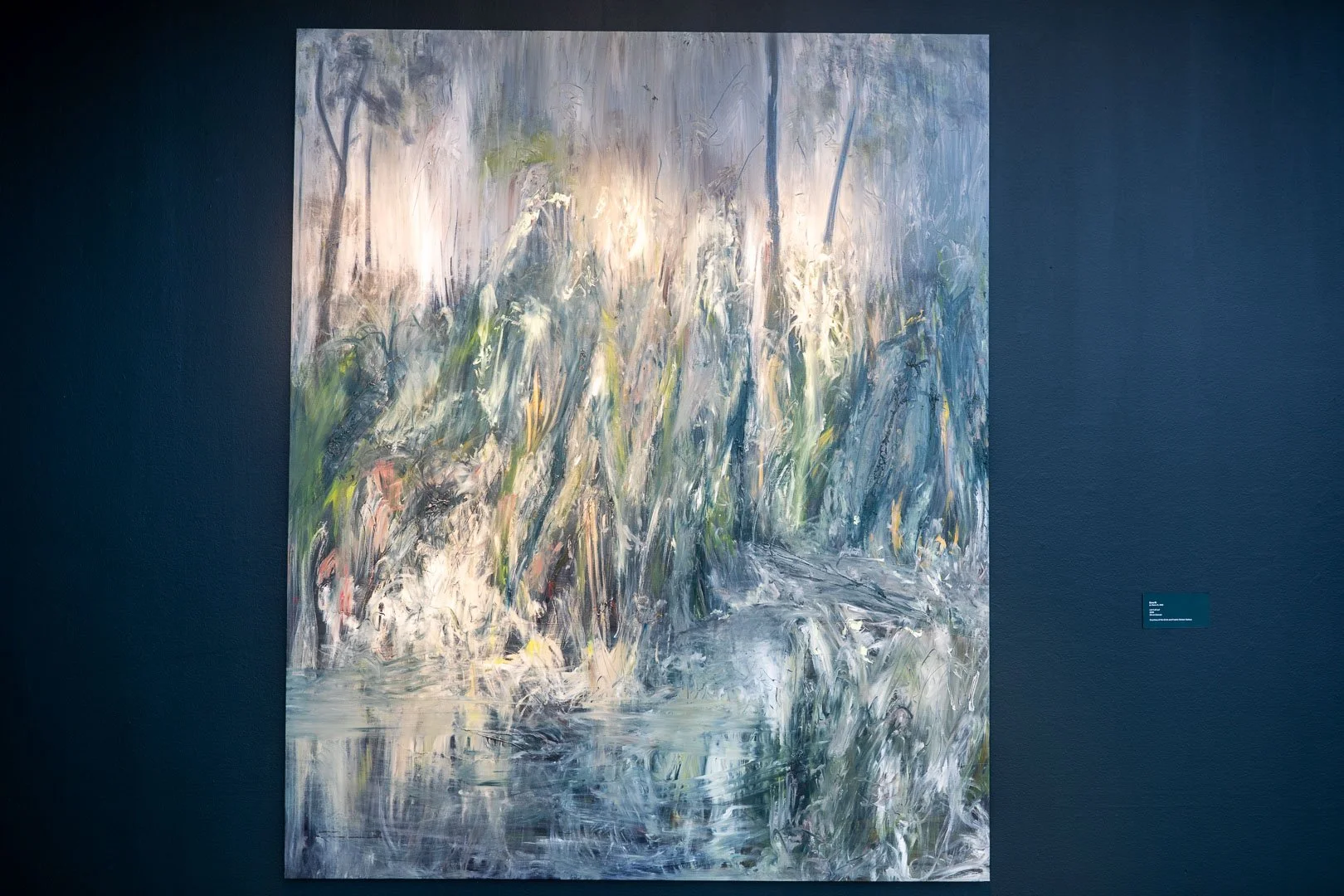
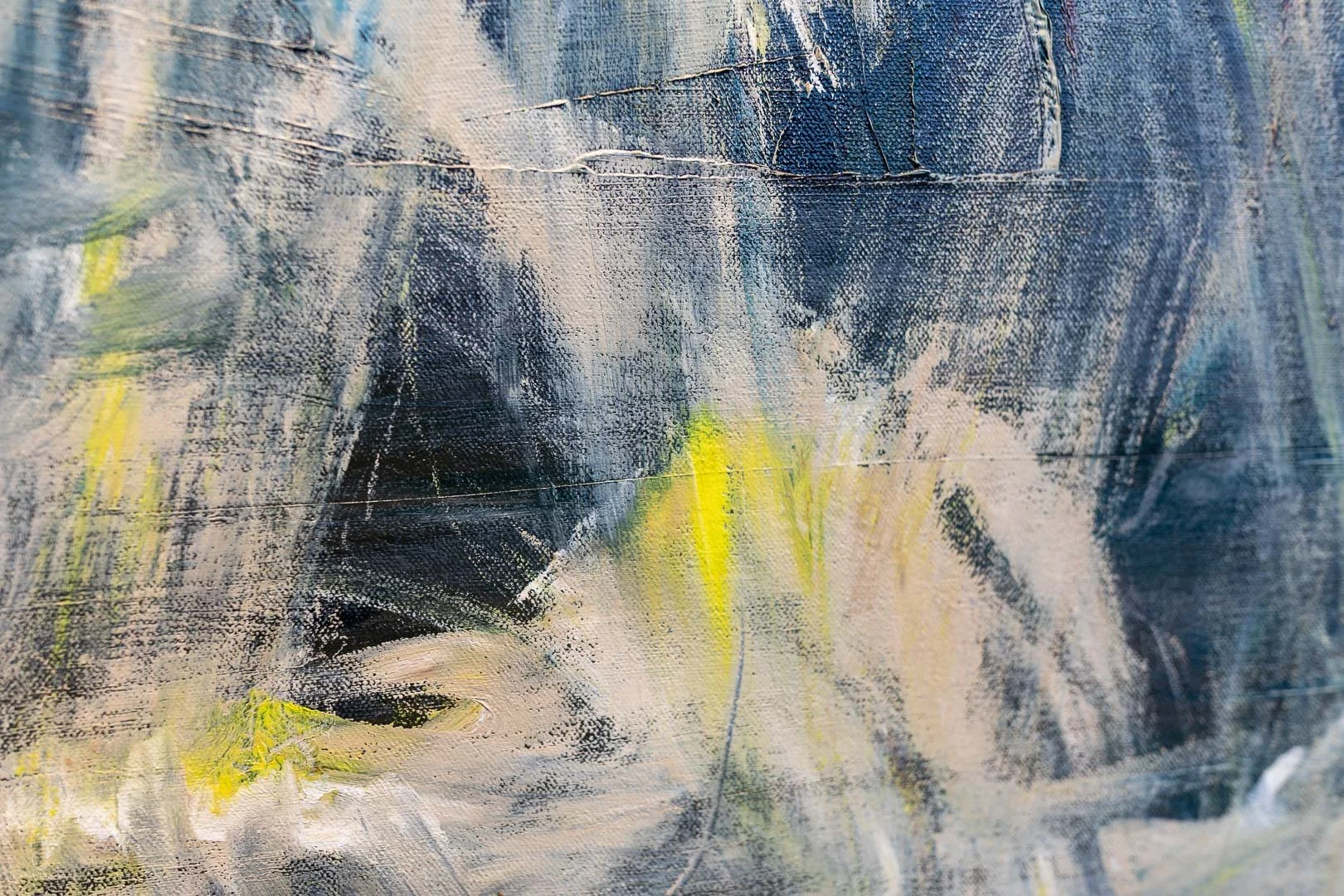
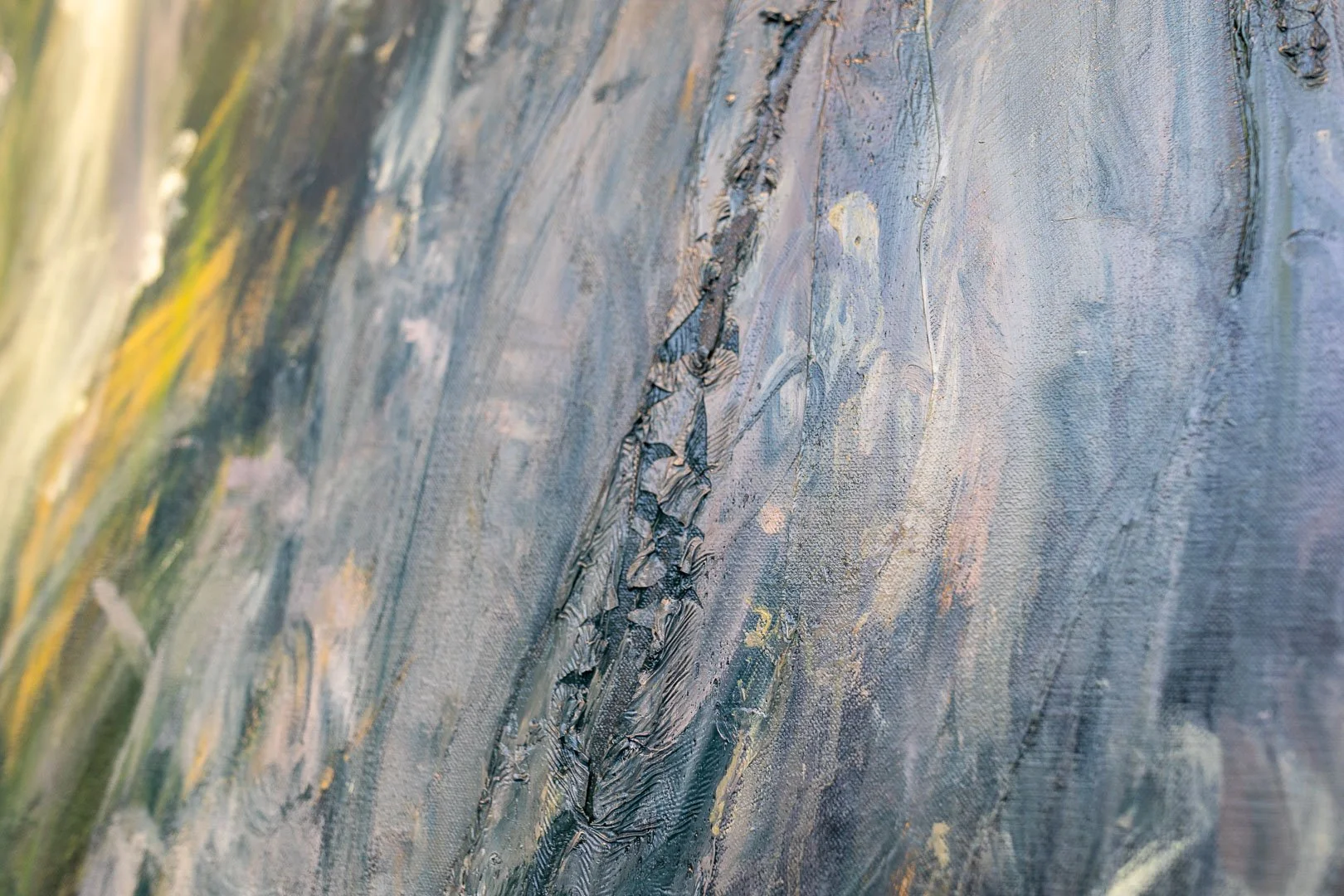
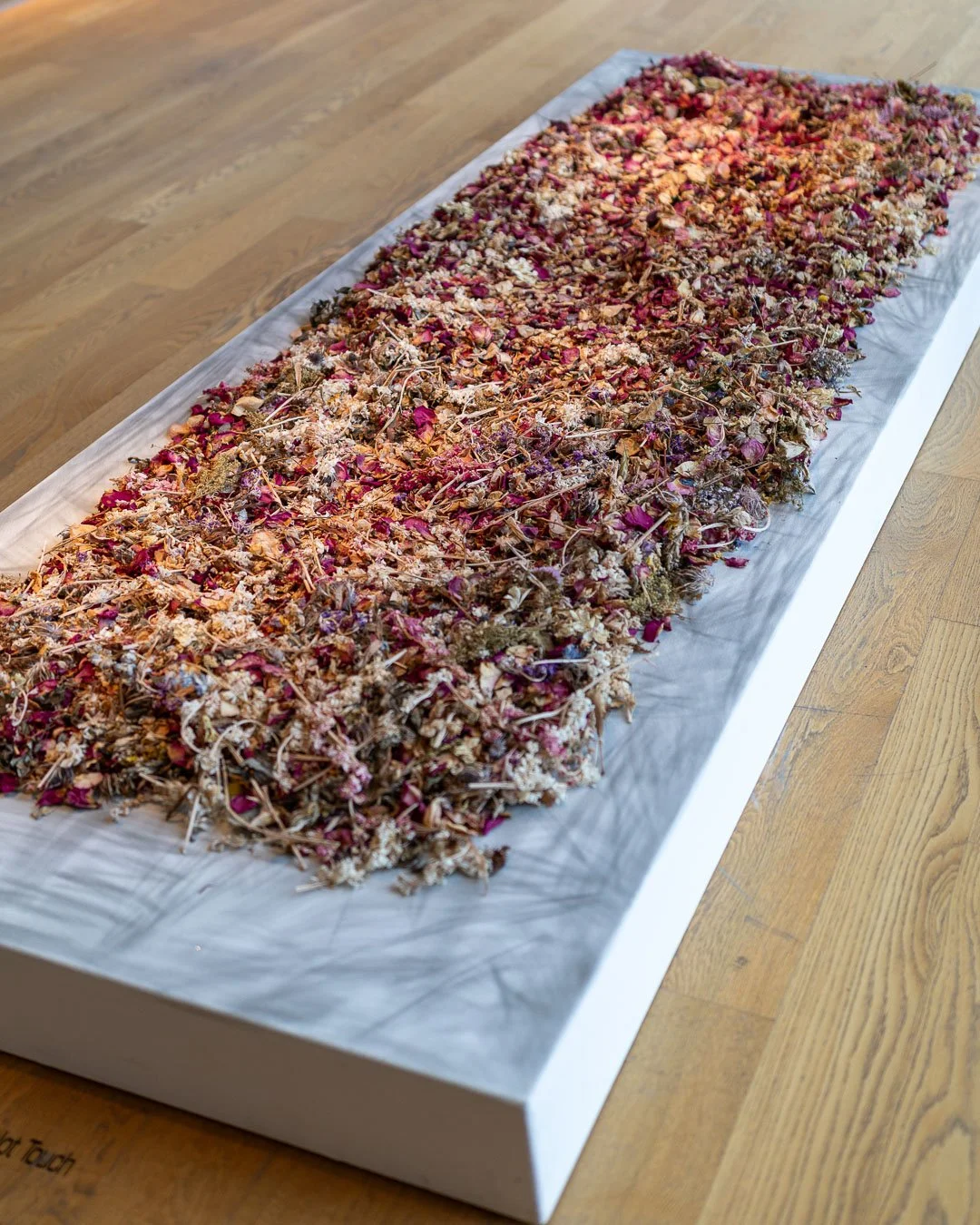
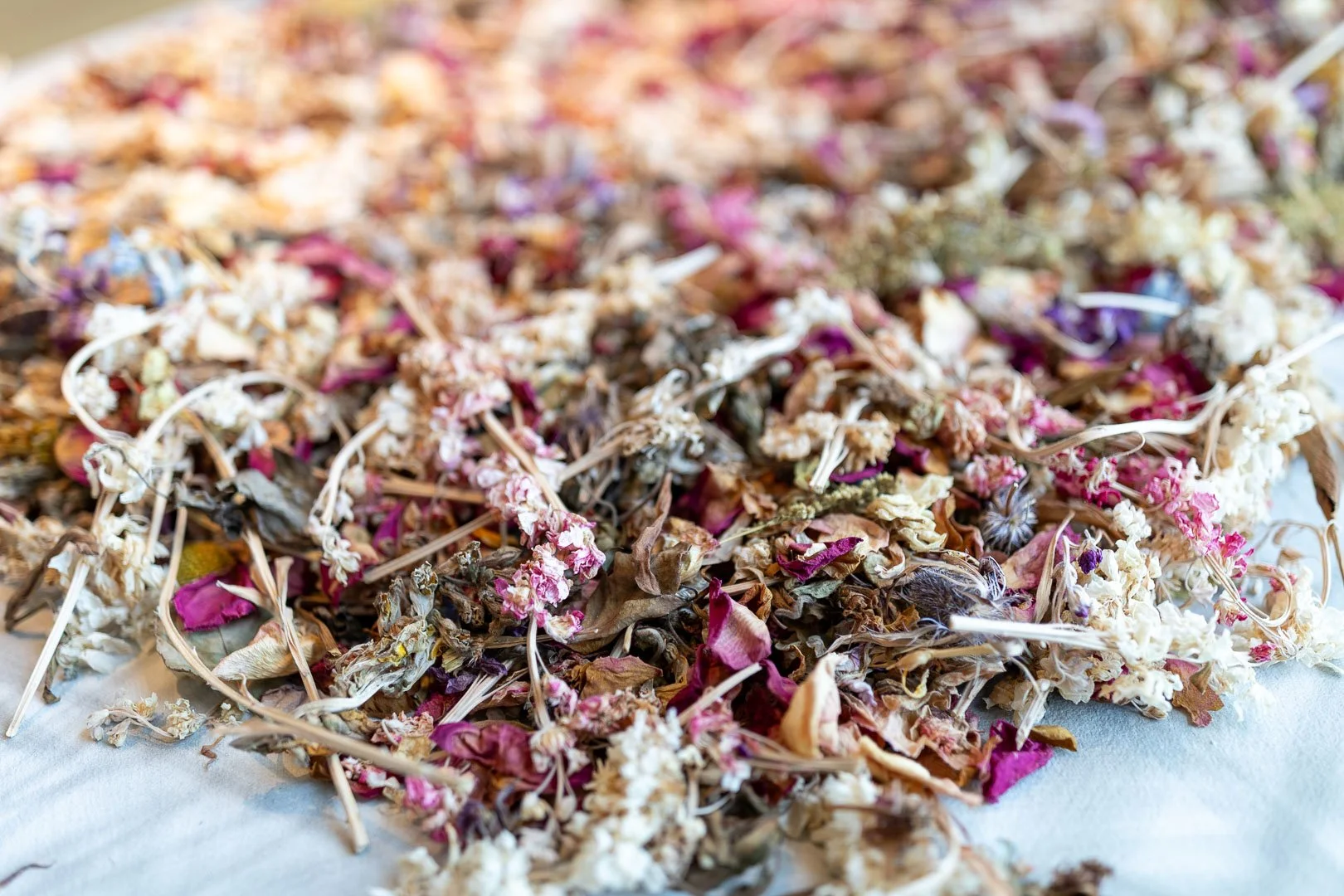
The impressionistic and dreamy paintings of unidentifiable flowers, detritus, and dim and moody landscapes by Cuban-American queer artist Ema Ri is a counterpoint to Tommerup. Portraying natural objects at the end of their cycle, paintings such as You Can Only See as Far as Your Heart Allows (2026)--- an ocular scene at golden hour that draws the eye at the center of the canvas— are testaments that there is beauty in decay and grief. In Let It All Out (2026), a pedestal of dried flowers sits beneath a painting with sheets of pouring rain, seemingly transforming torrential tears into flower petals. Ri’s artworks speak of time passing and how painful emotions like sadness, regret, or anger begin to blur, recalled only in multiple layers of color revealed by scratching through, and quick strokes of the brush. Until eventually, and in the grand scheme of life, experiences and events become condensed as poetry or as images on a canvas. And what was once something very real in someone’s mind has become a memory composed of colors, sounds, smells, and emotions. The ethereal quality of Ri’s artworks also speak to the act of recollection as something that one cannot fully trust, only feel. Hence, the viewer is also invited to contemplate what healing actually means and what it entails. How recovery doesn’t really ask for someone to rationalize or intellectualize painful events as some form of protection from the absolute pain of feeling. Rather to recognize those memories and the emotions attached to them. And, in time, to see them for what they are: a passing cloud that briefly dims the surroundings, but a passing cloud nonetheless.
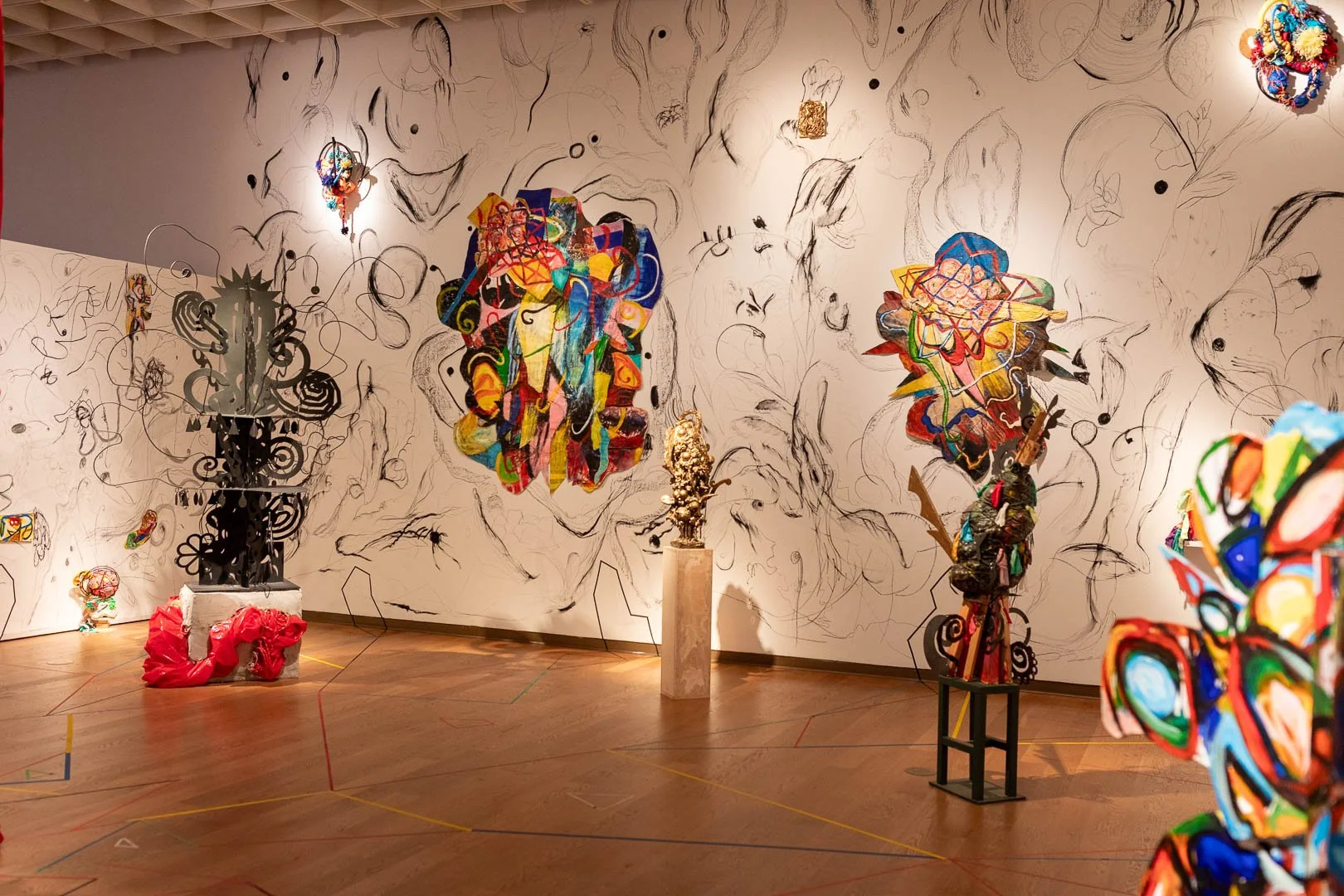
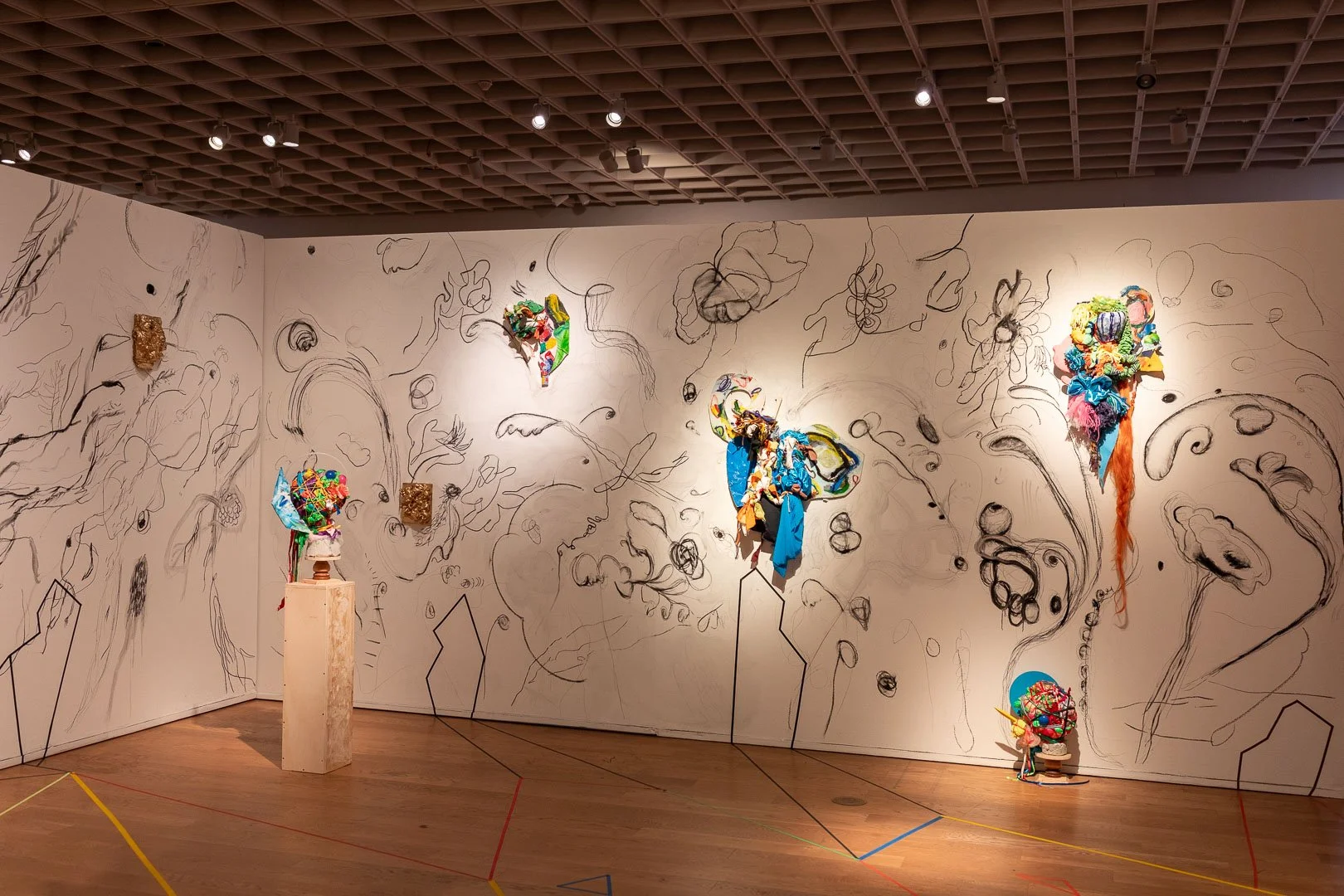
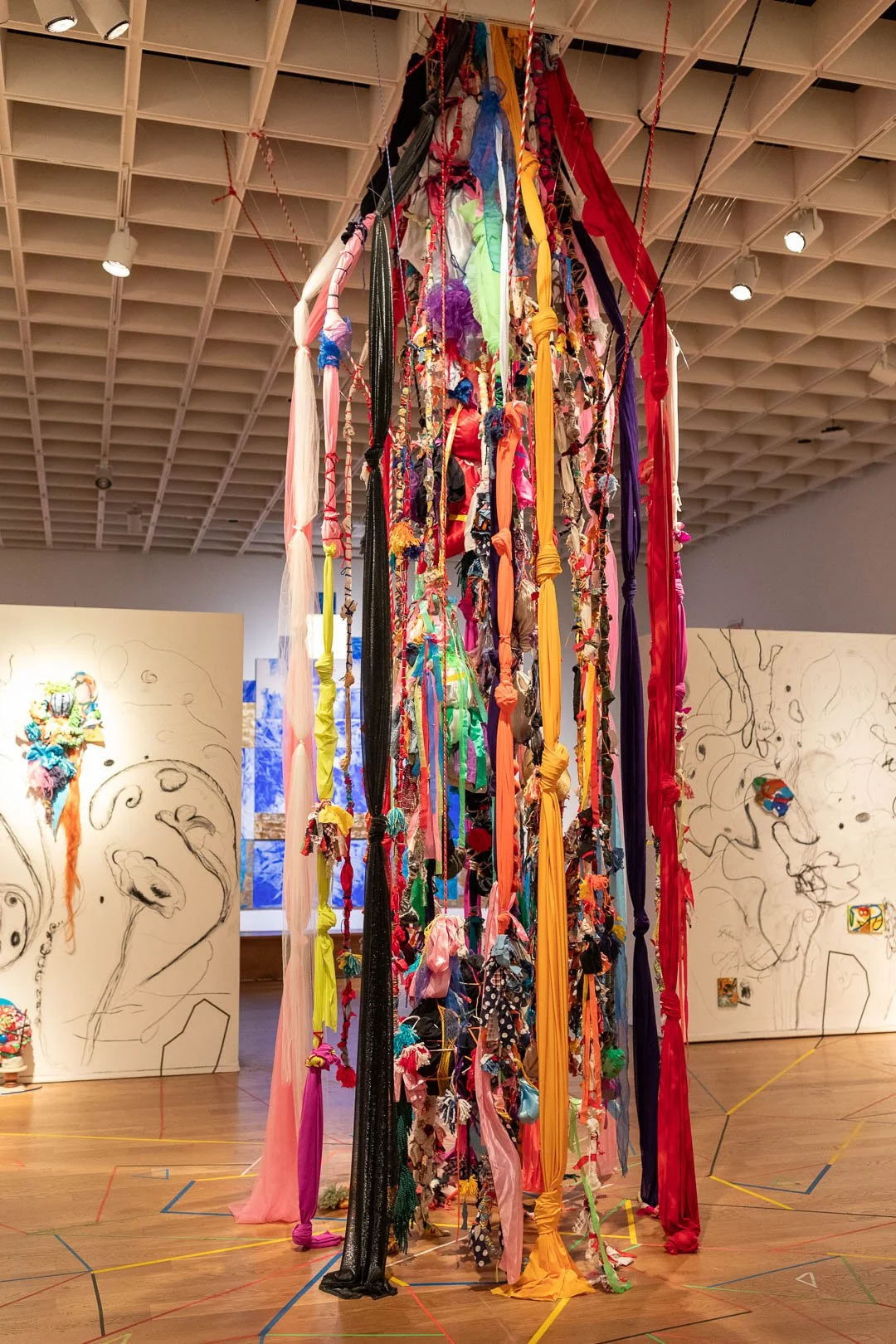
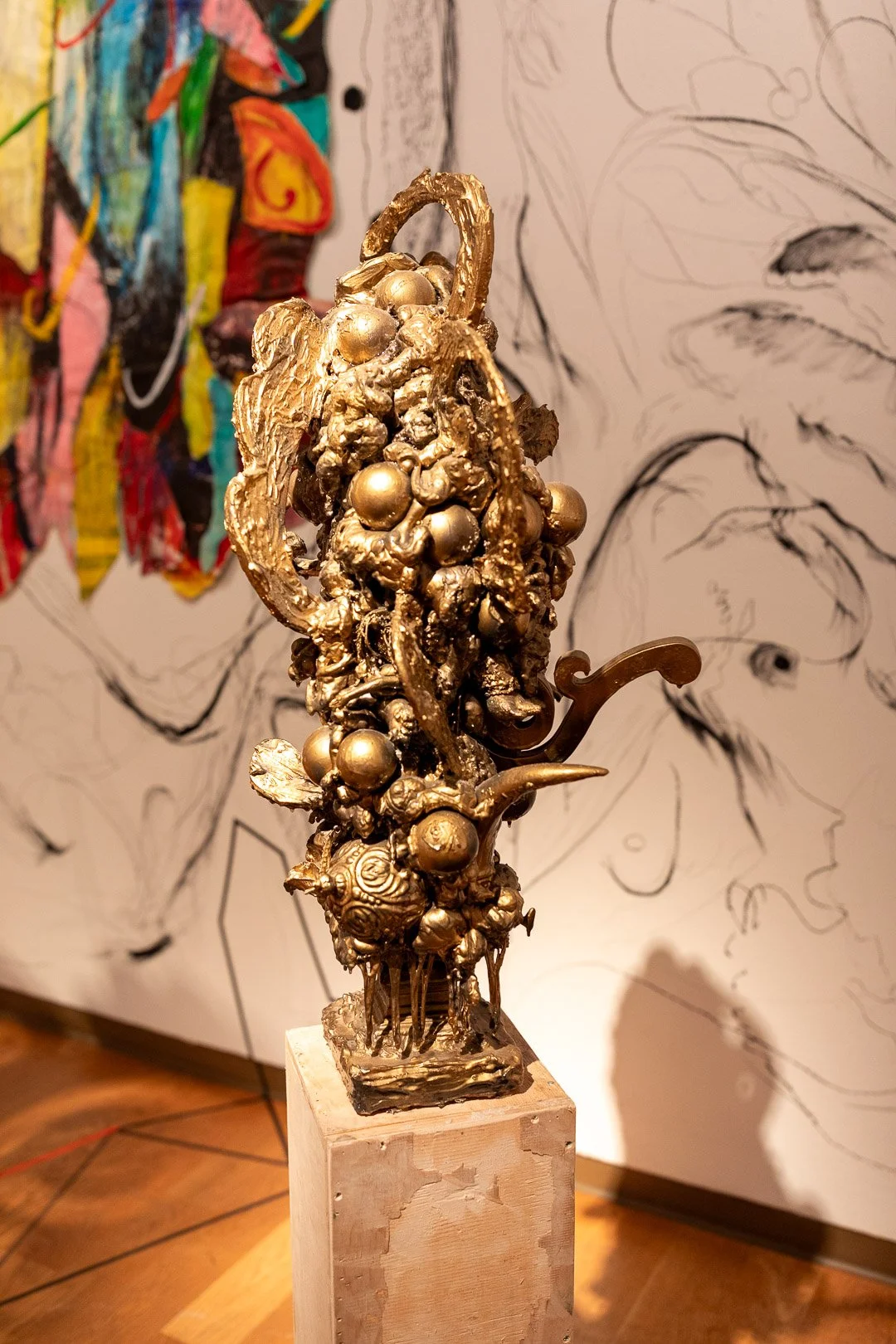
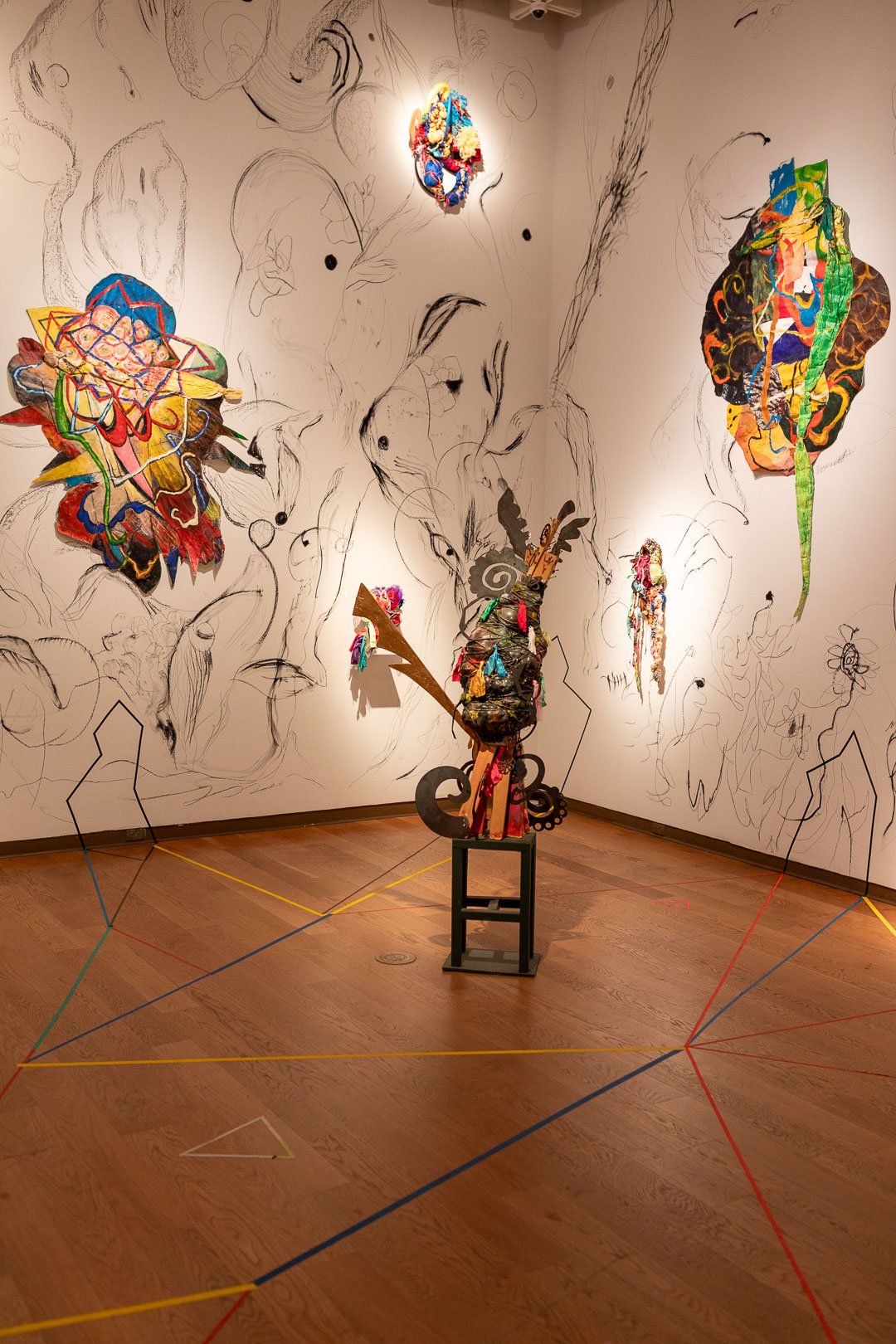
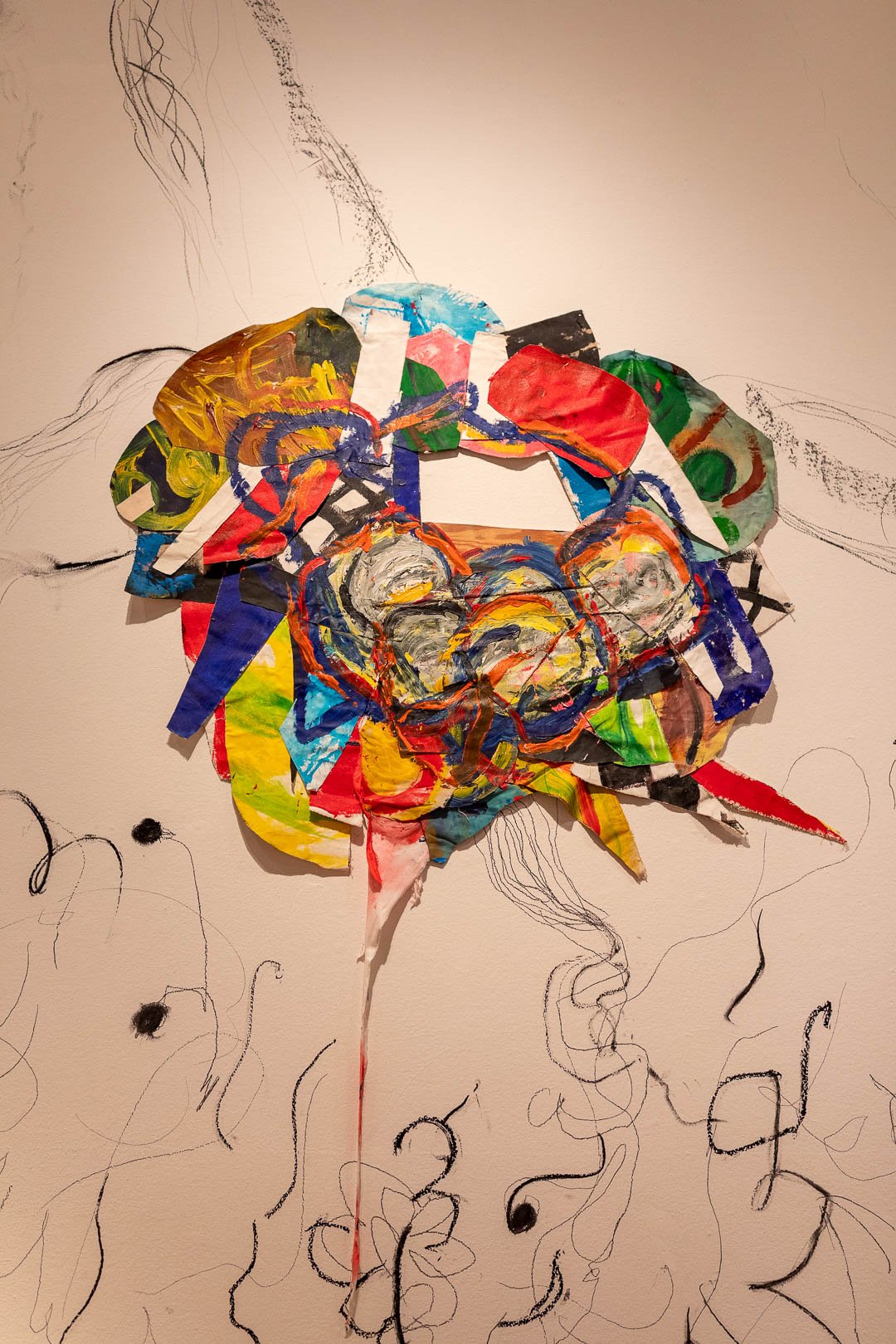
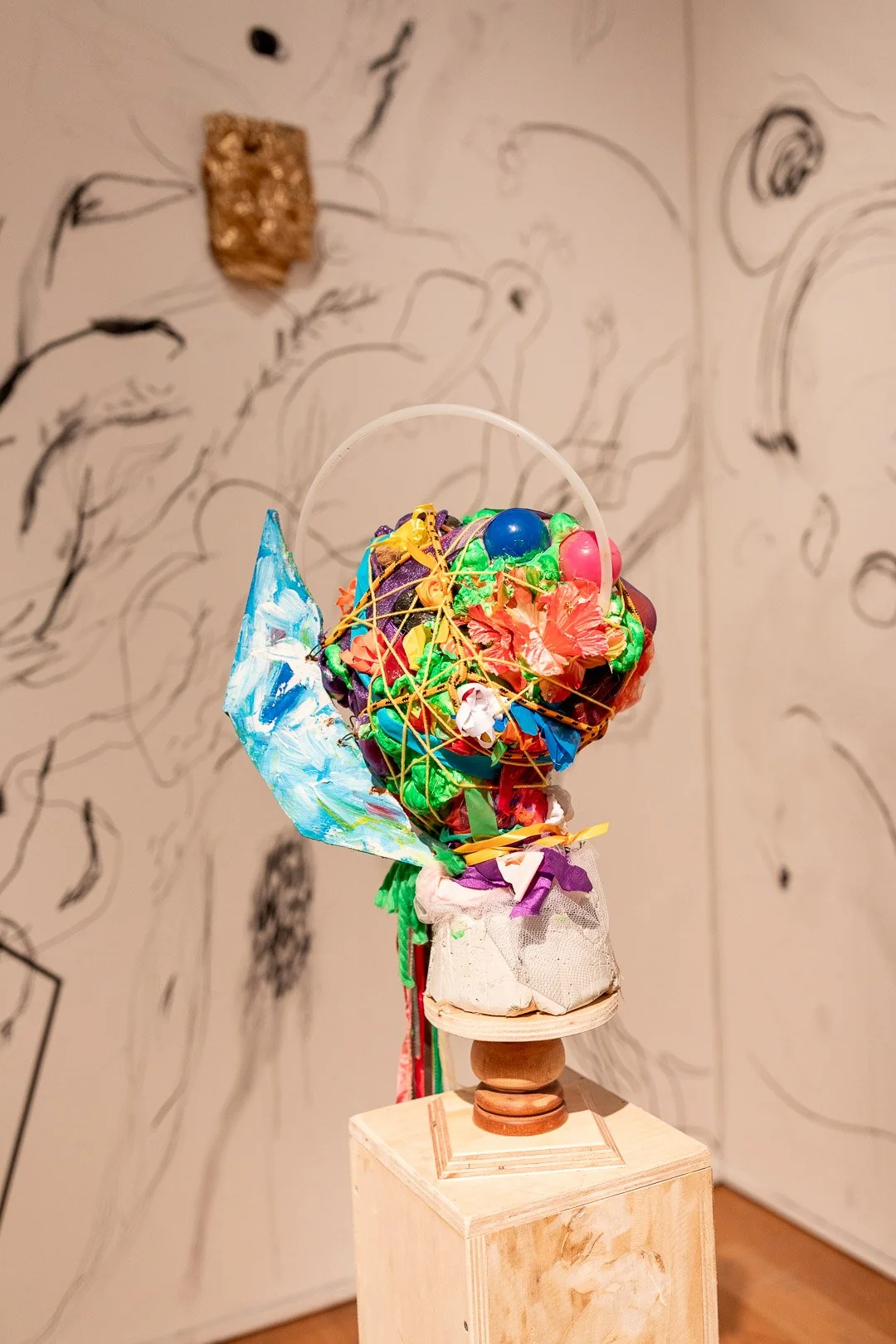
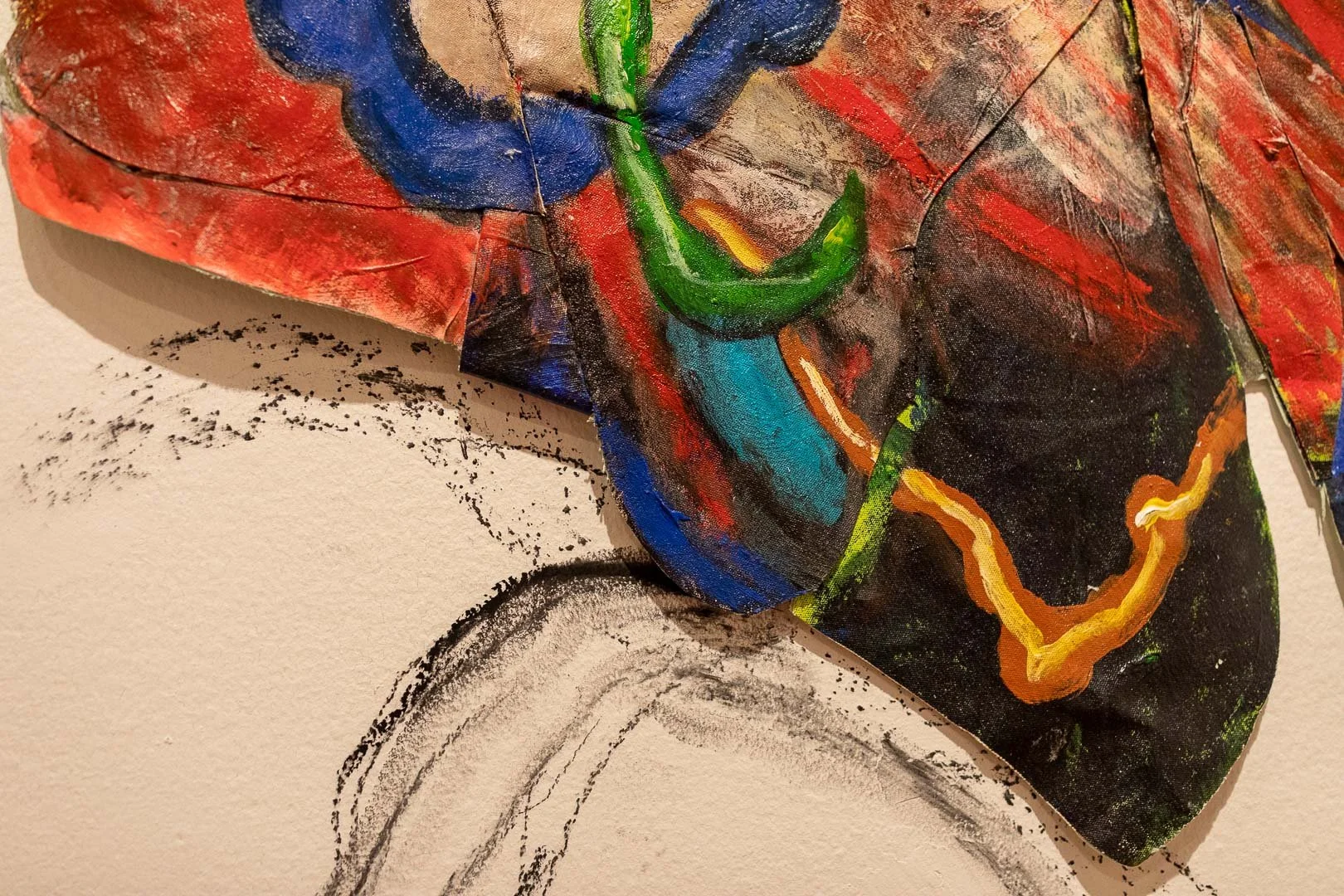
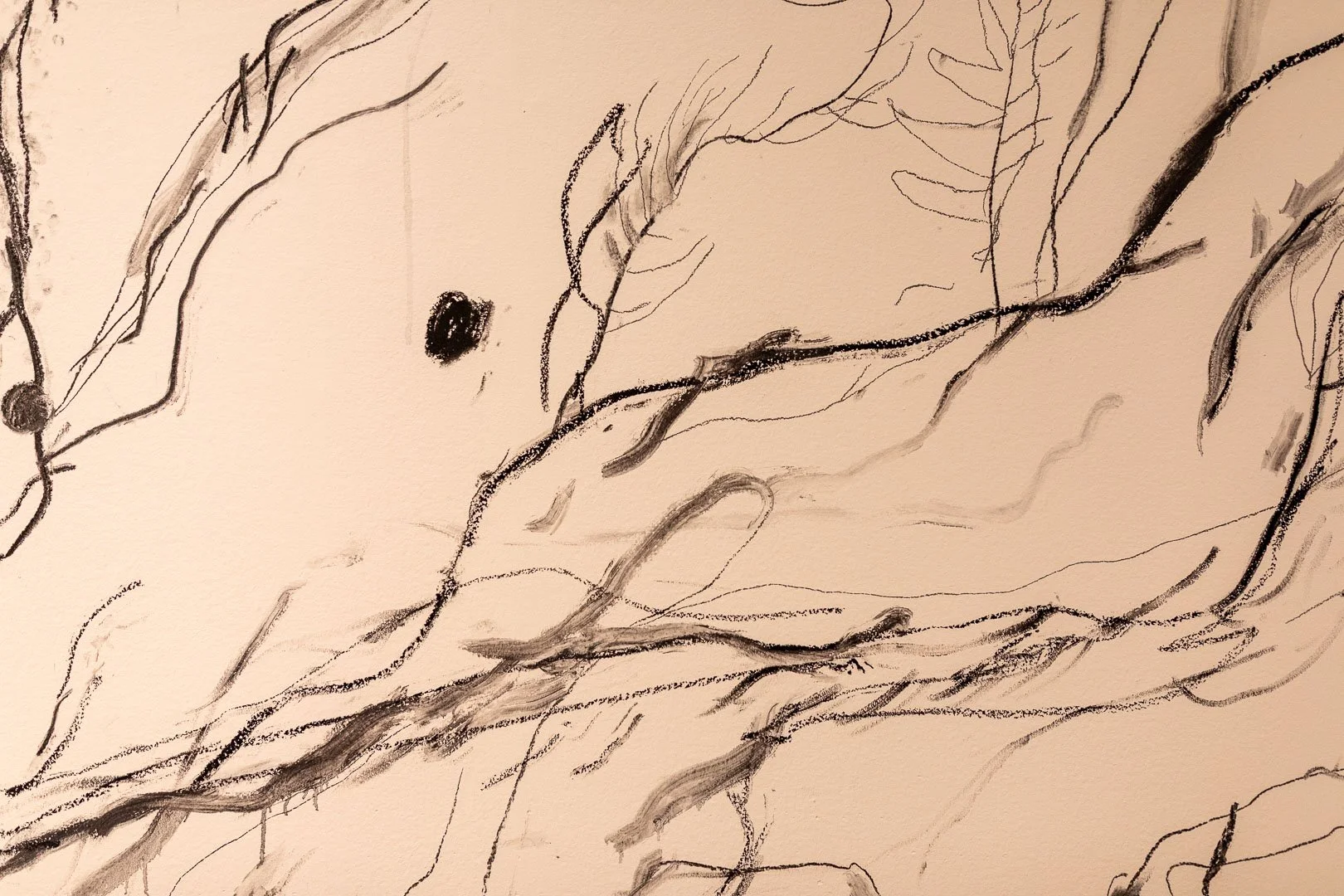
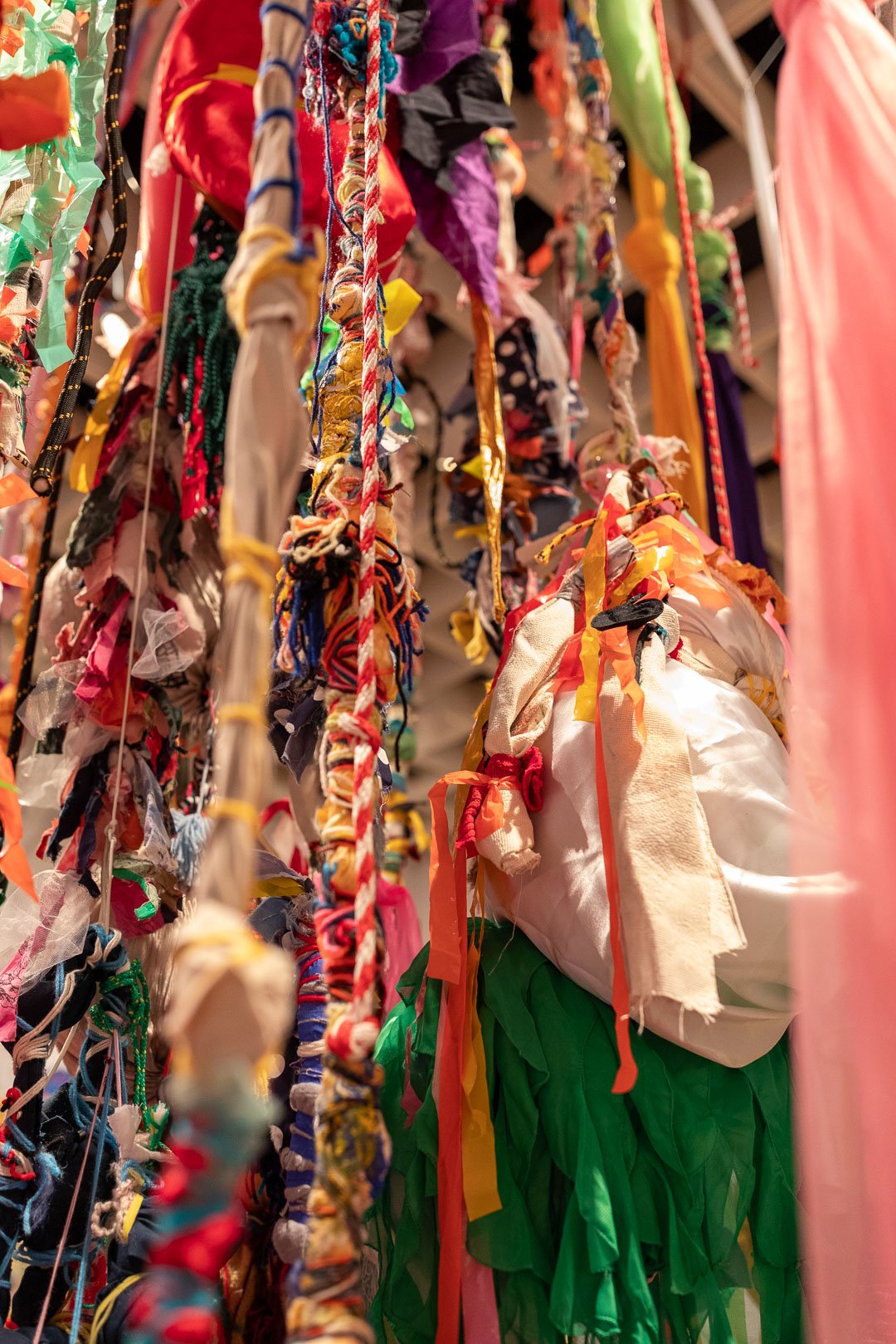
The thread continues with Dominican artist Charo Oquet, whose breathtaking work with the museum space in I Am Here: Fragments, Trances, and Improvised Architectures, draws inspiration from women’s work, Pan-African and Afro-Caribbean spiritual practices. All of these concepts are flawlessly united by her illustrations on the walls, amorphous drawings of animals, trees and flowers, and human bodies. This communicates to the viewer the concept of civilization and people being a part of and belonging to nature, which is a core tenet for spiritual and animist beliefs. It also gives the space a sense of being a temple or church, further amplified by a tree of knots hanging from the ceiling, referring to prayers, invocations or wishes. Oquet used to run a thrift store and this informs her art practice. Her use of this past experience shows how much beauty and value hides within the ordinary or have been decided as cast-offs or trash. In the same vein, the sculptures and enclosed spaces which are made of detritus, trash, or rot can be seen as sacred spaces and objects.
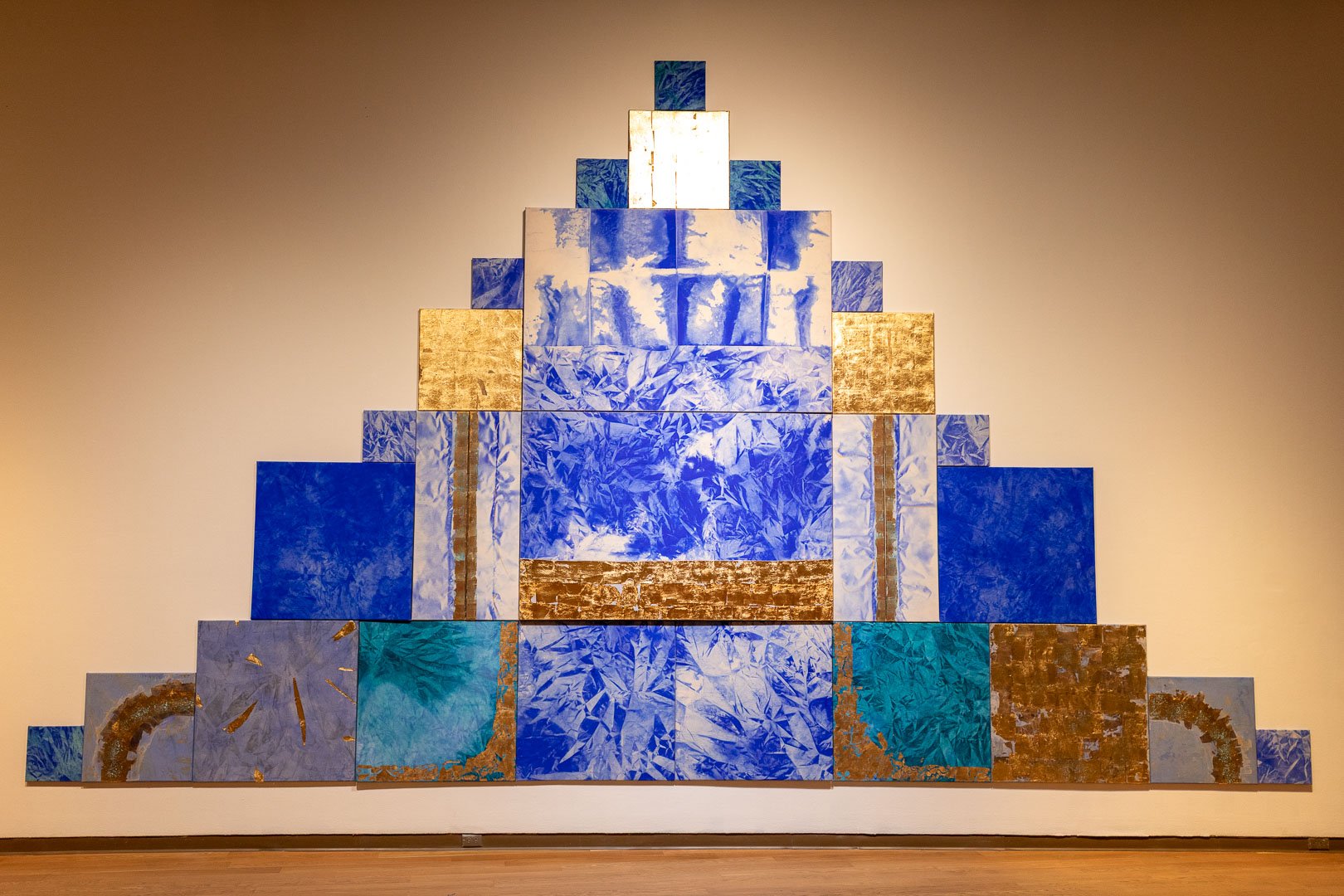
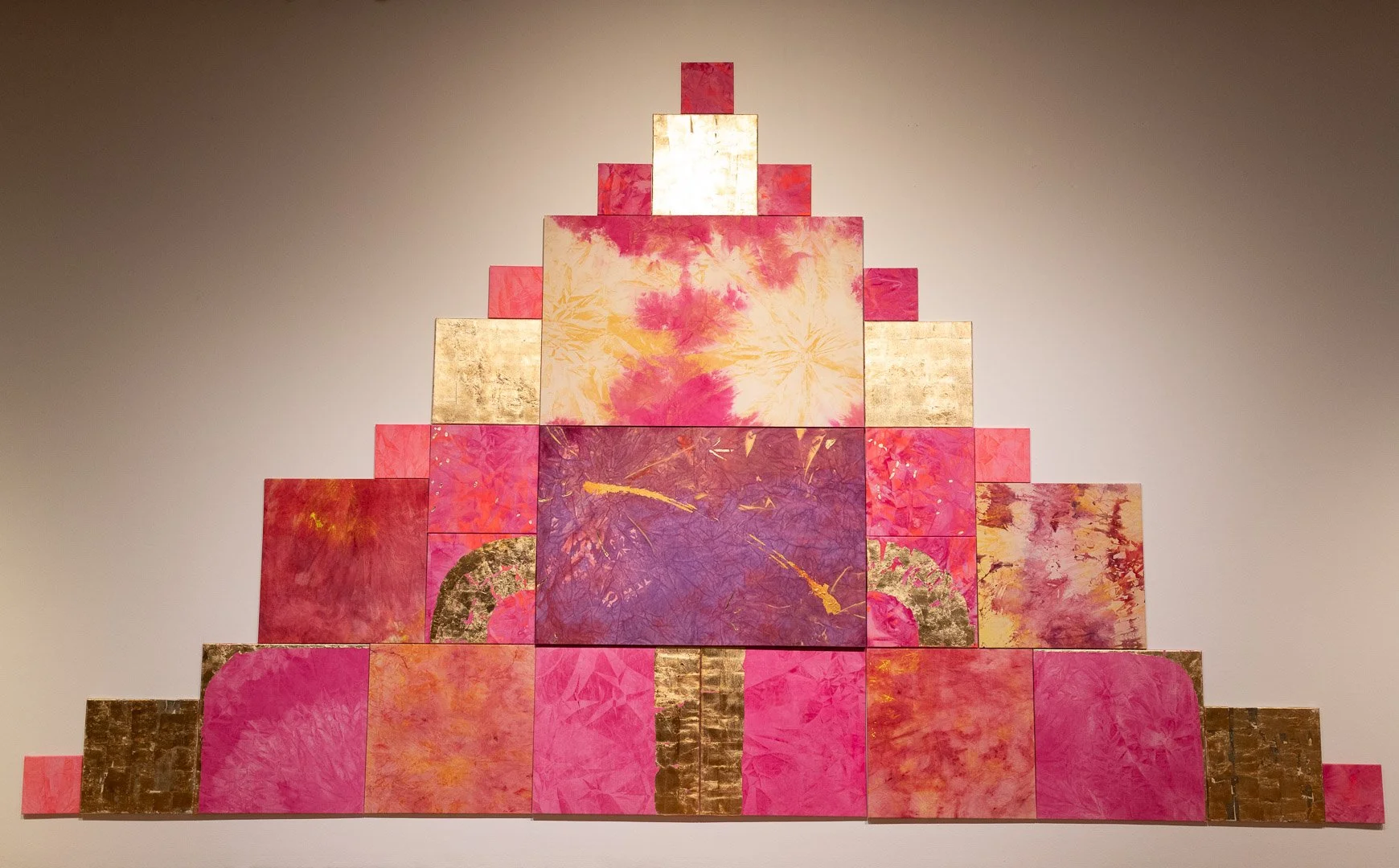
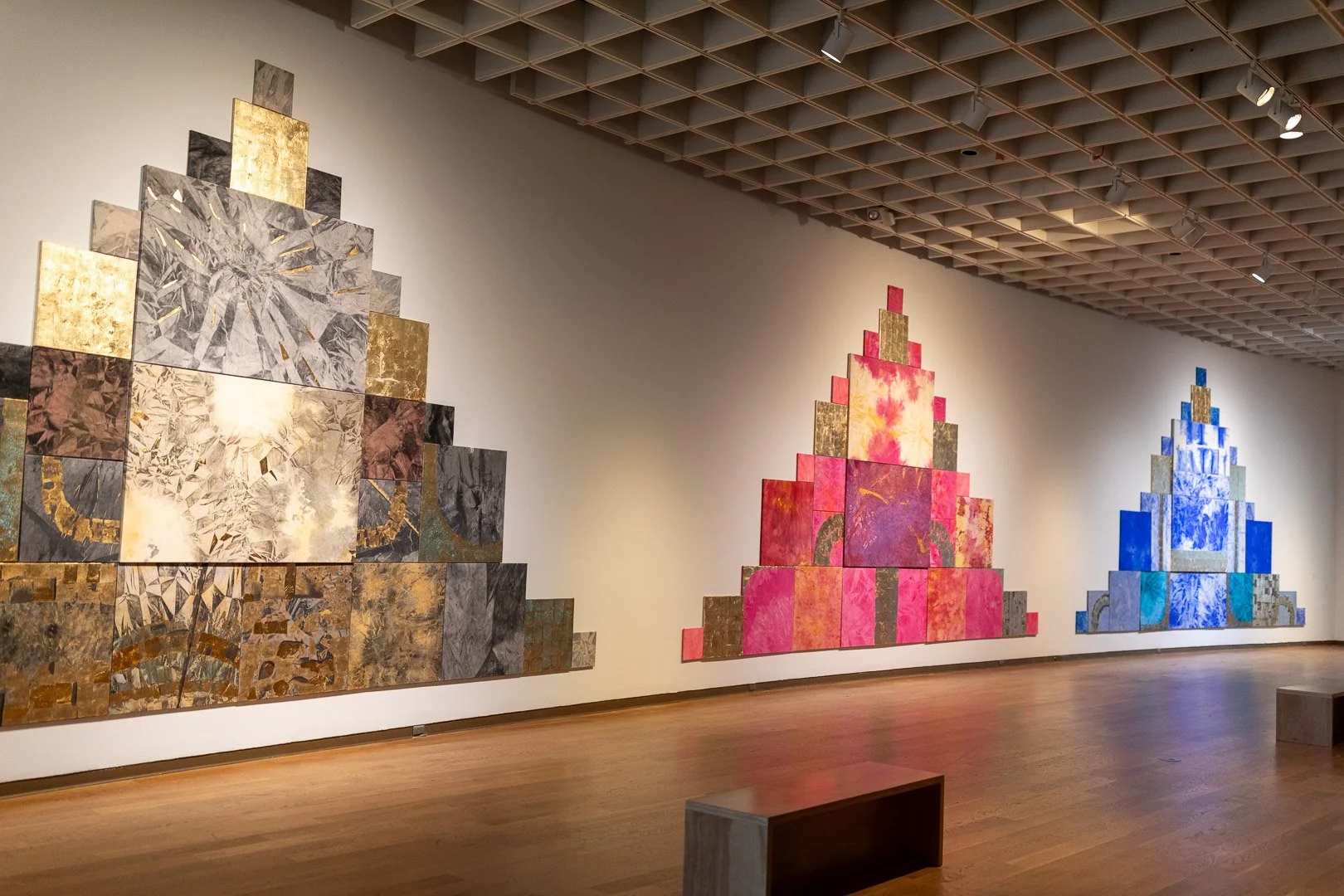
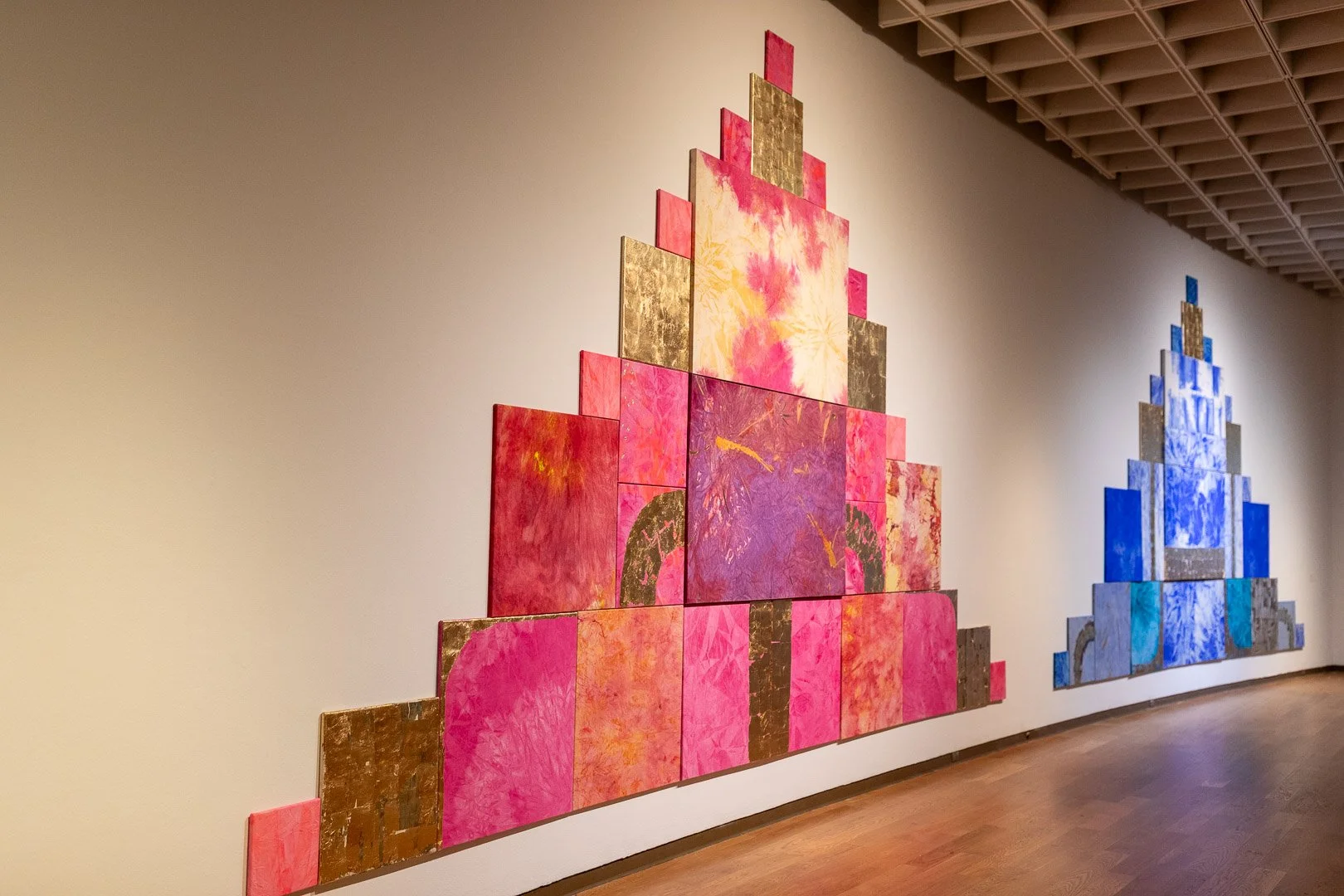
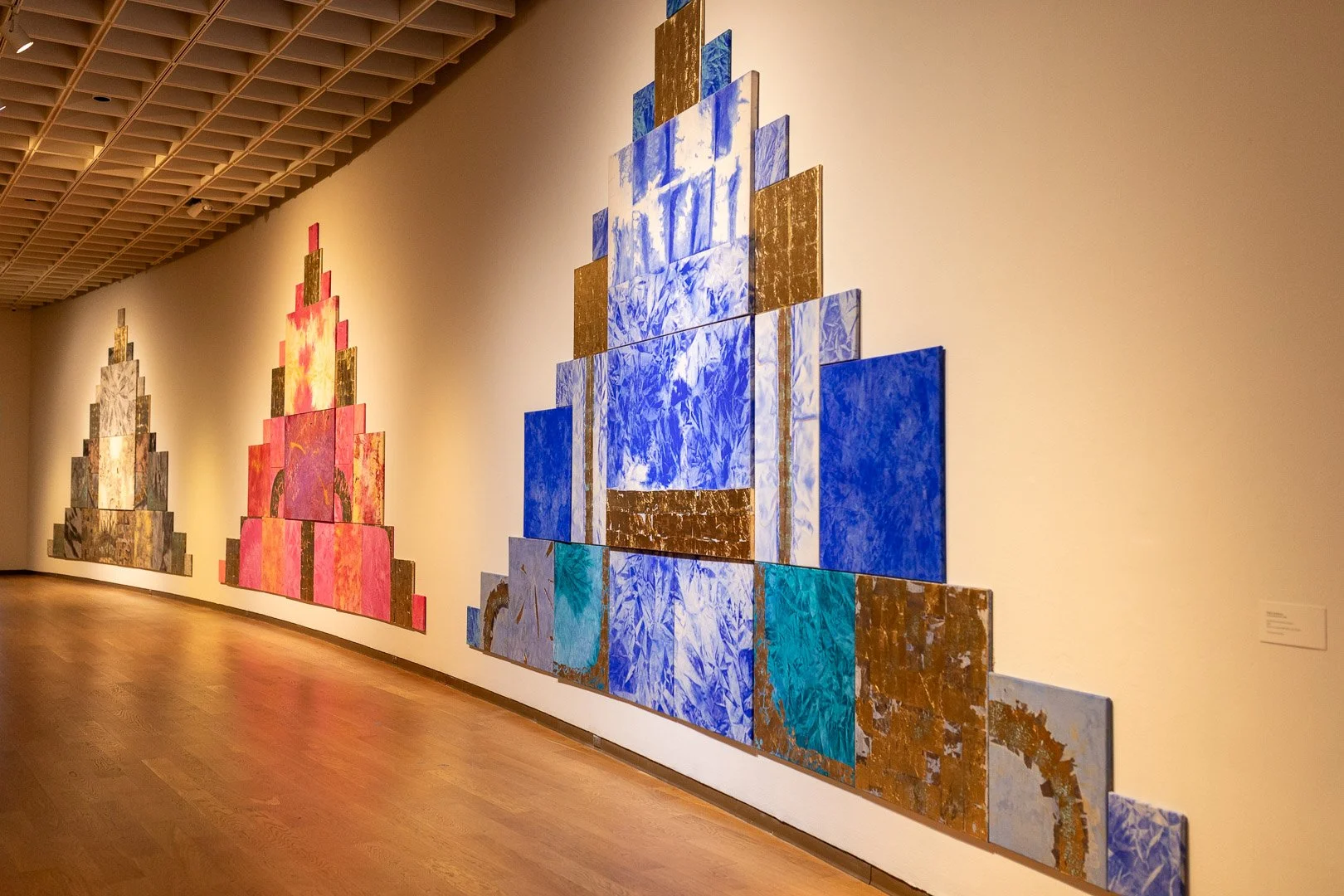
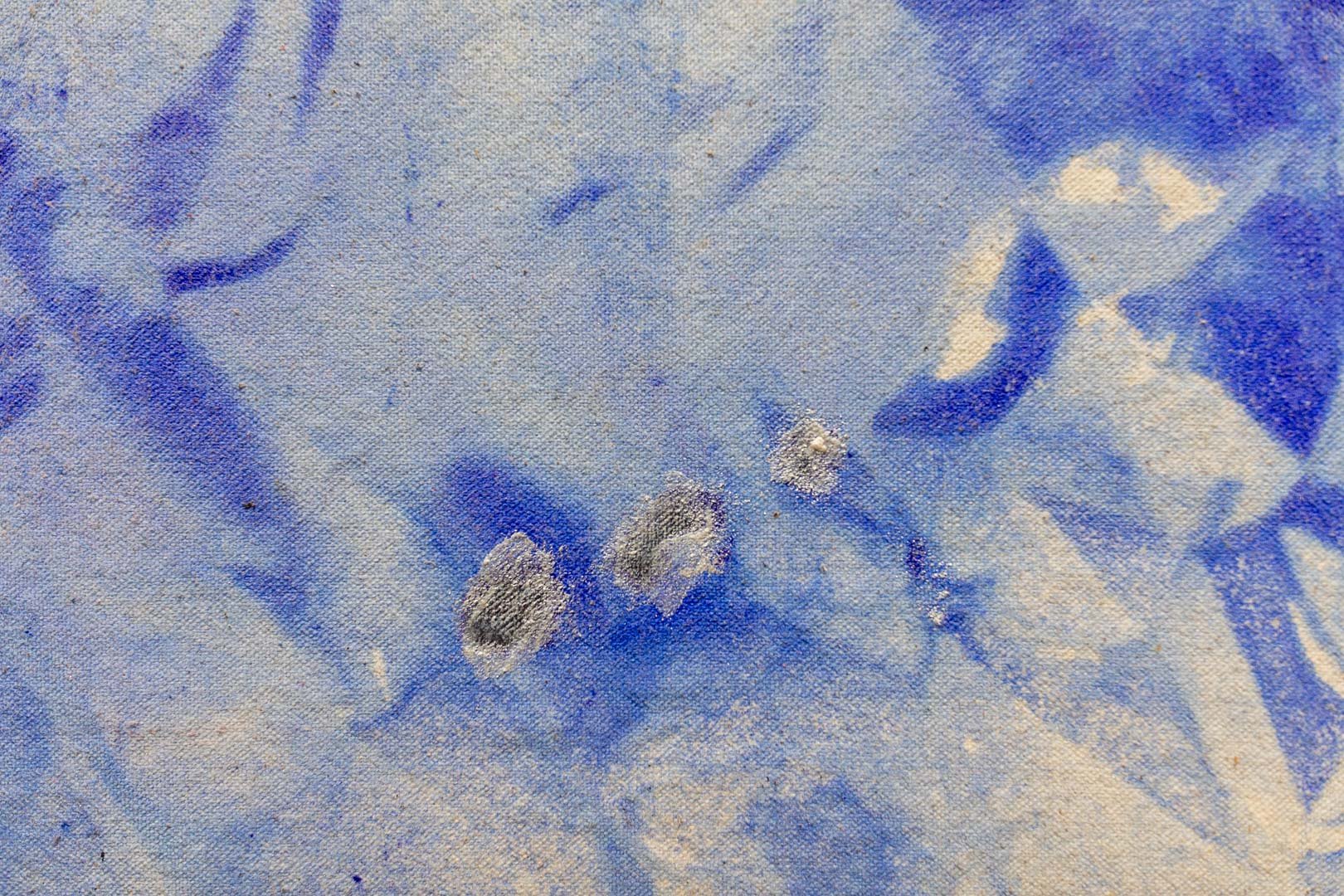
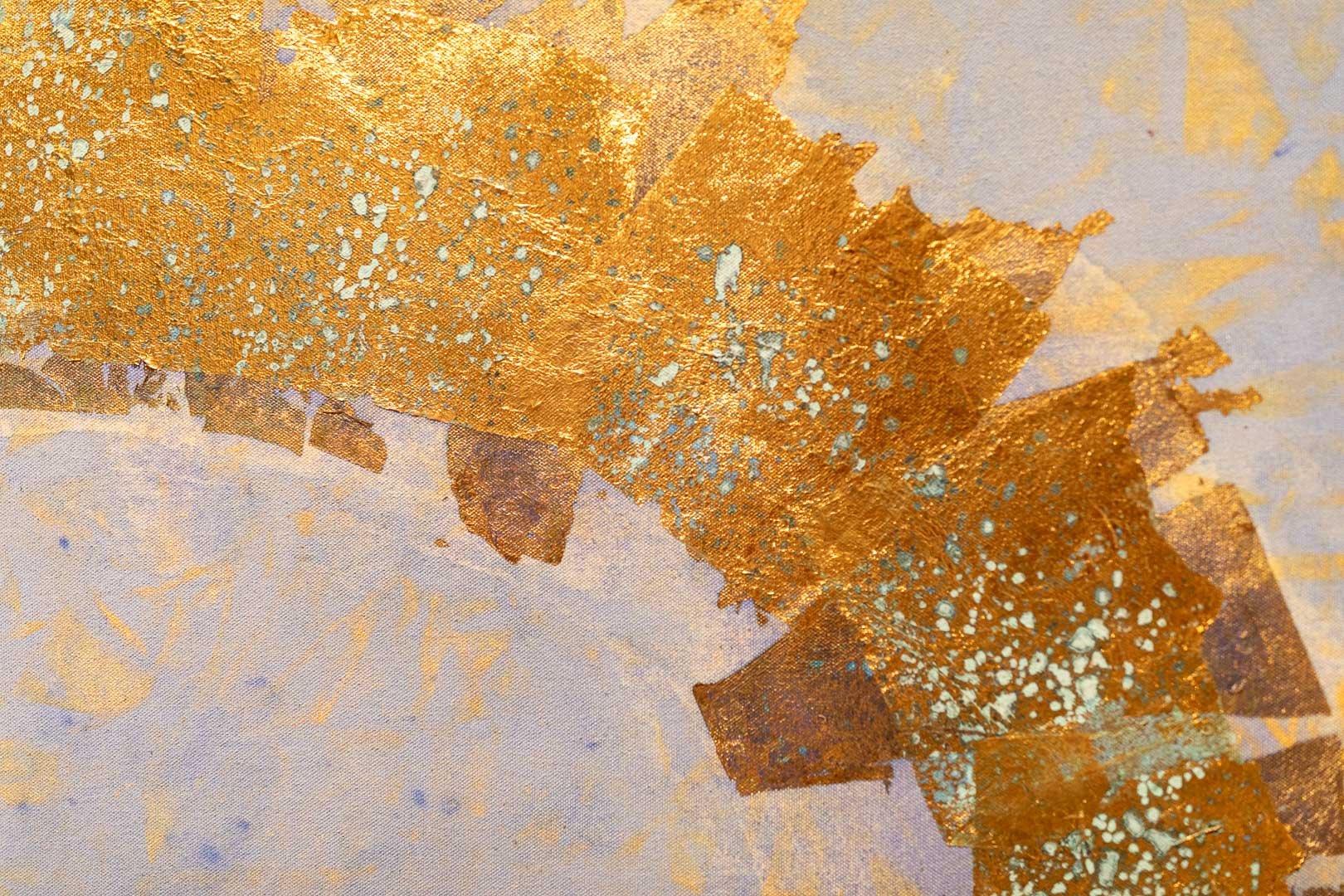
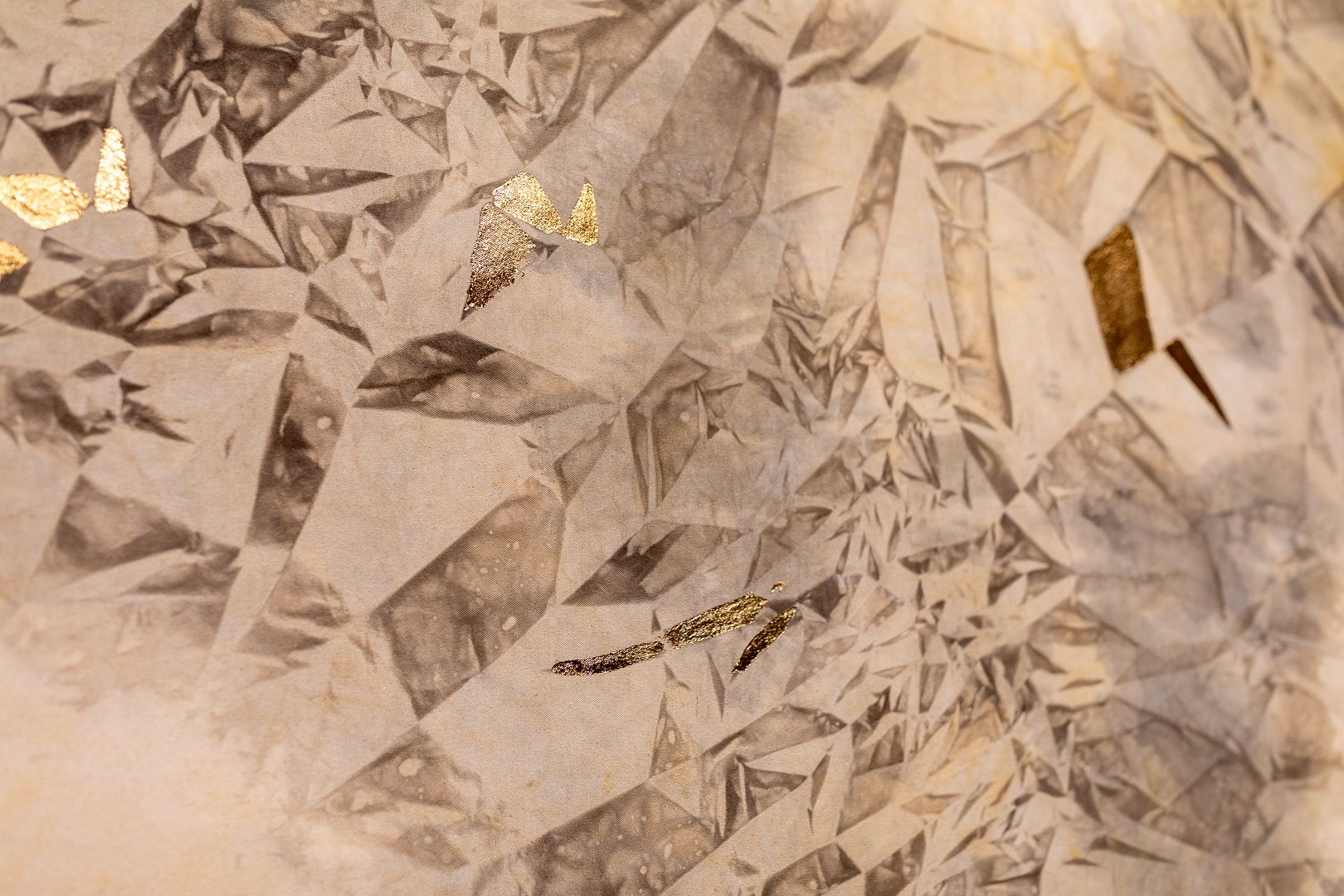
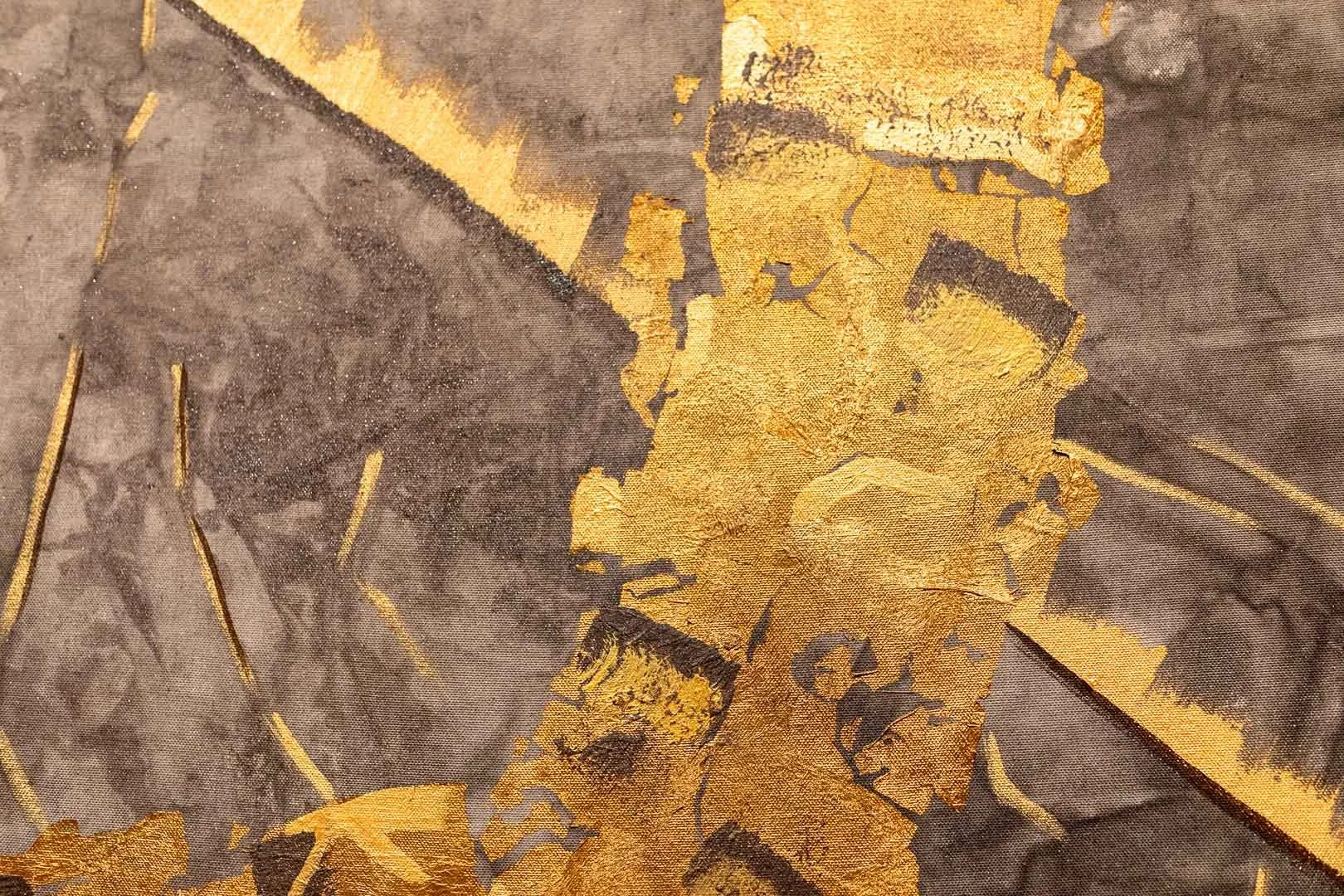
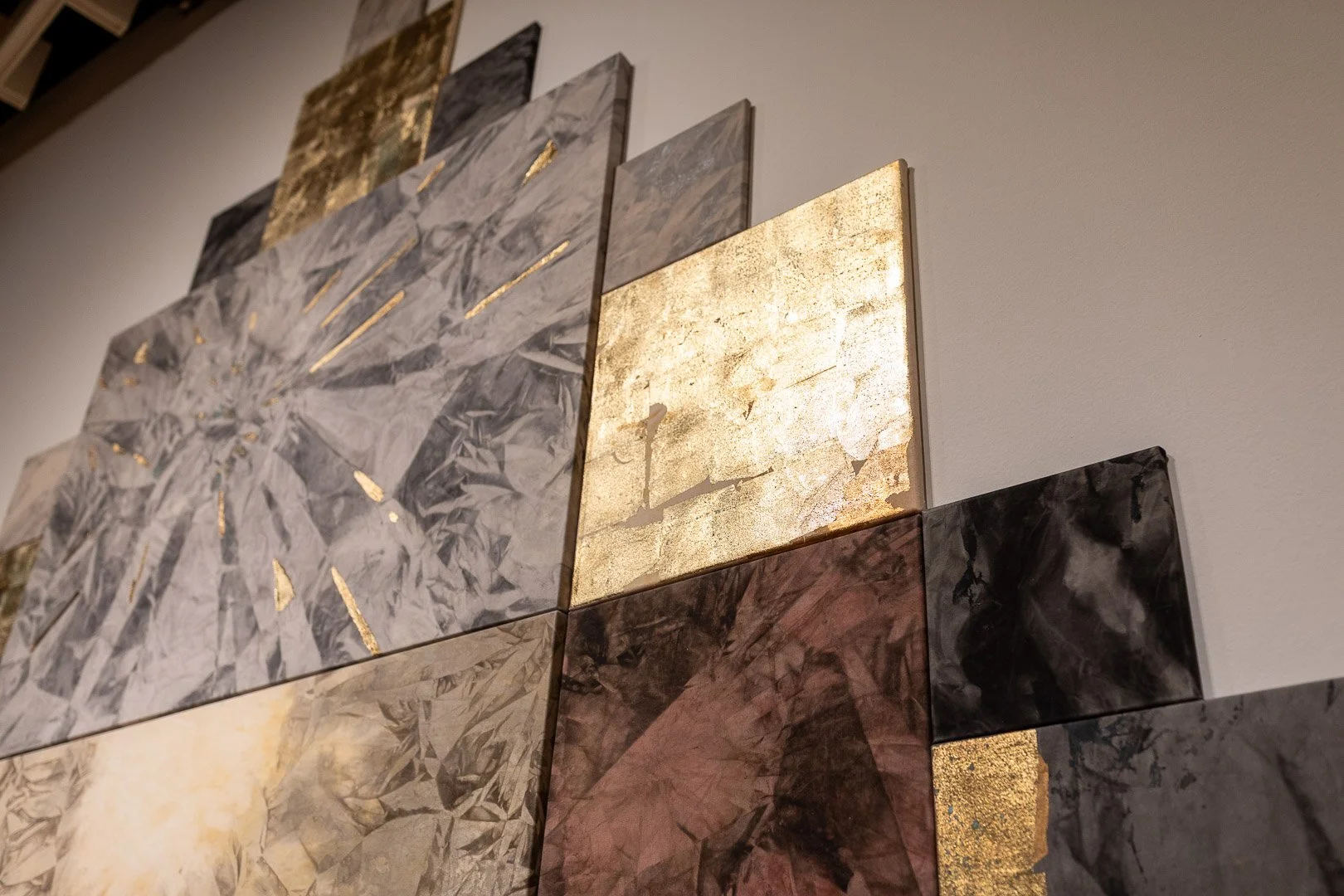
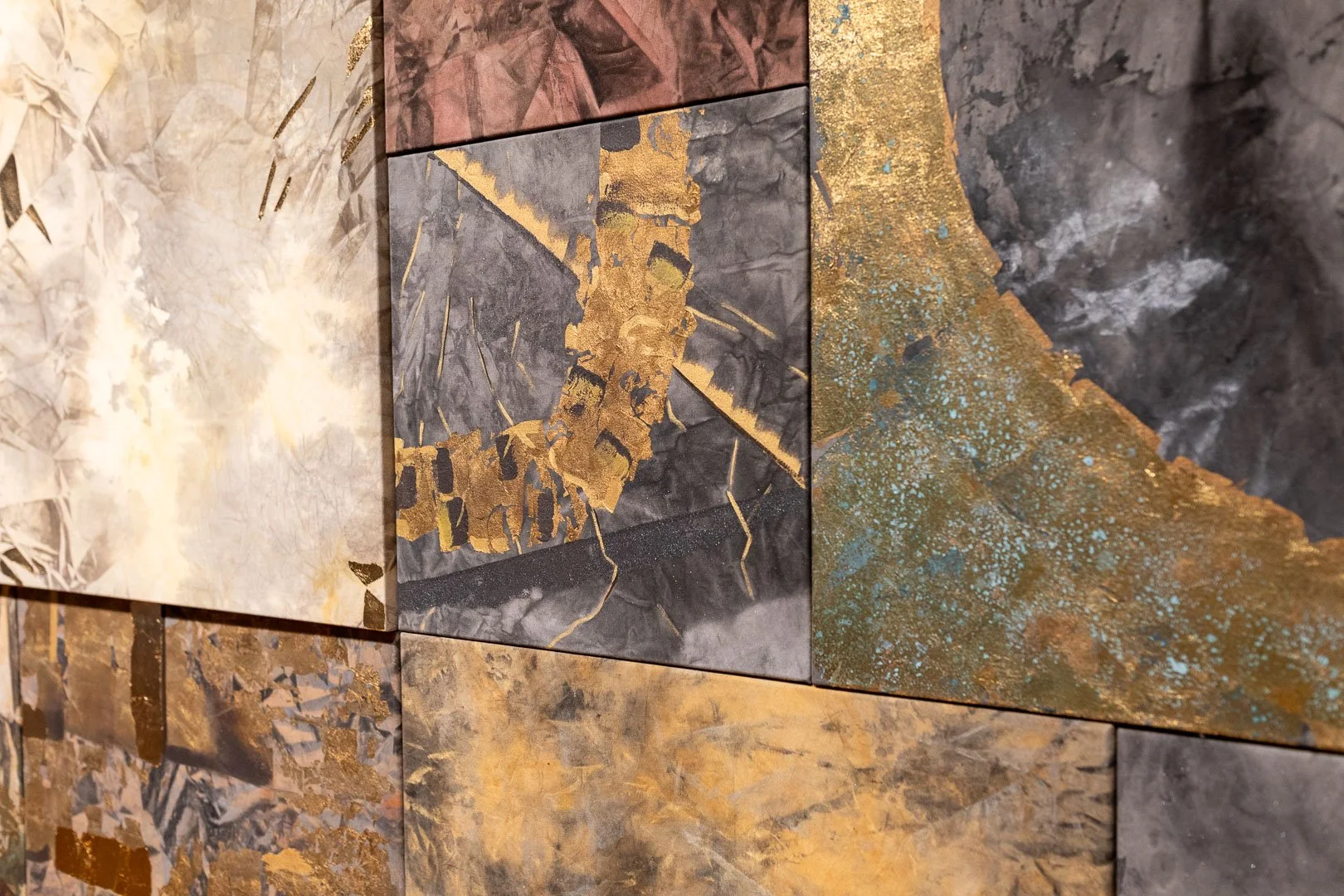
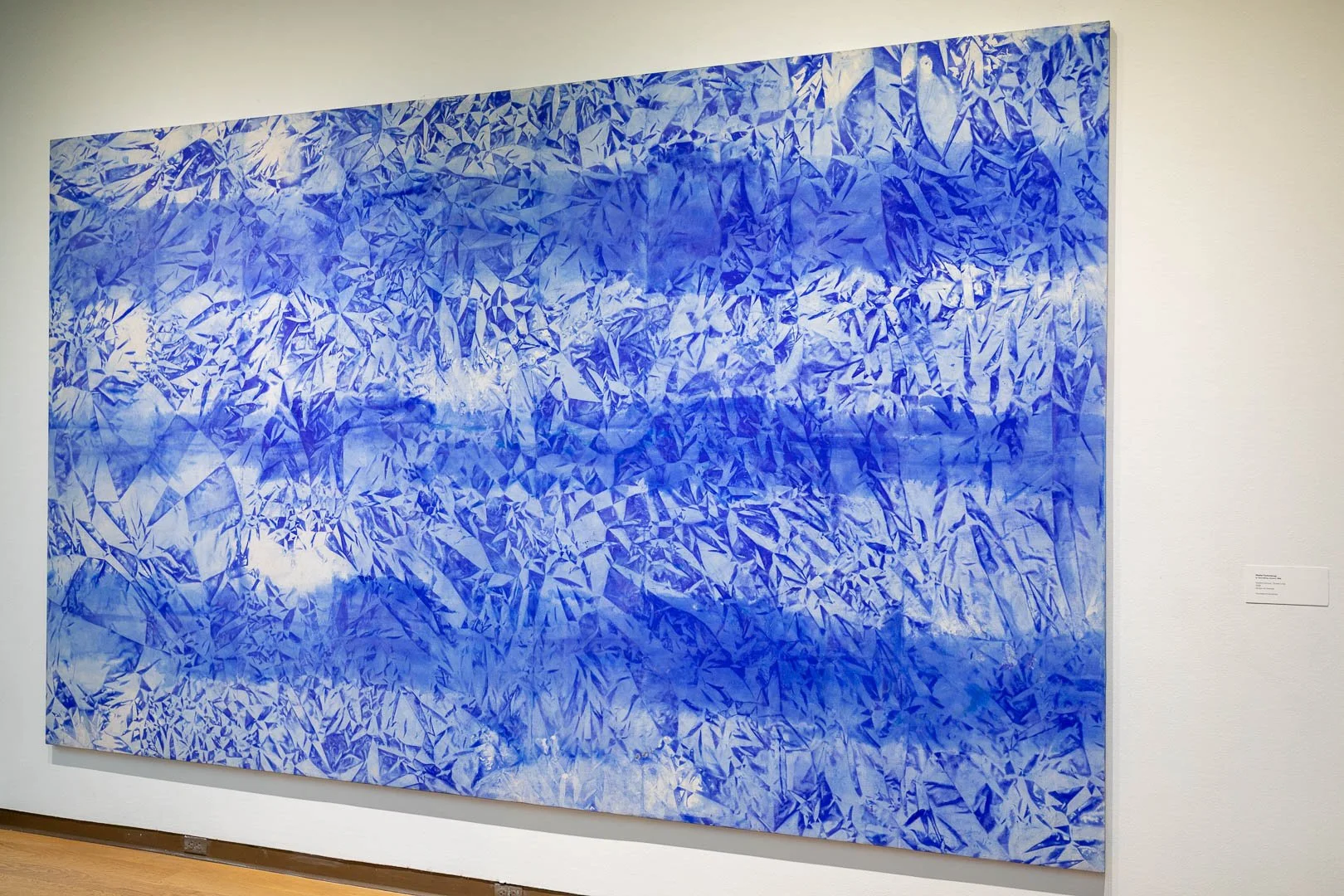
Moving between sacred spaces, Miami-based Danish artist Mette Tommerup’s modular paintings are arranged as pyramids in Formed Under Pressure: Horizon (2026). Through her art, Tommerup sought to present nature in its authentic form, and each painting is an imprint of the elements— earth, wind, fire, and water— they represent. The artwork’s modular quality, that the pieces can be arranged and moved in whichever way, also touches upon the concept of renewal, movement and restoration in nature. There are landscapes within landscapes in Tommerup’s paintings, creating a sense of infinitude which builds up the idea of painting as an artform while simultaneously paring it down to its most elemental and primary state. In relation to this, Tommerup, in an artist’s discussion at the Orlando Museum of Art, spoke about a Germanic term, uwah, being a primordial release of emotion through sound. This auditory component neatly tied together Tommerup’s massive and immersive artworks as a body of work that pushes the boundaries between performance and visual art.
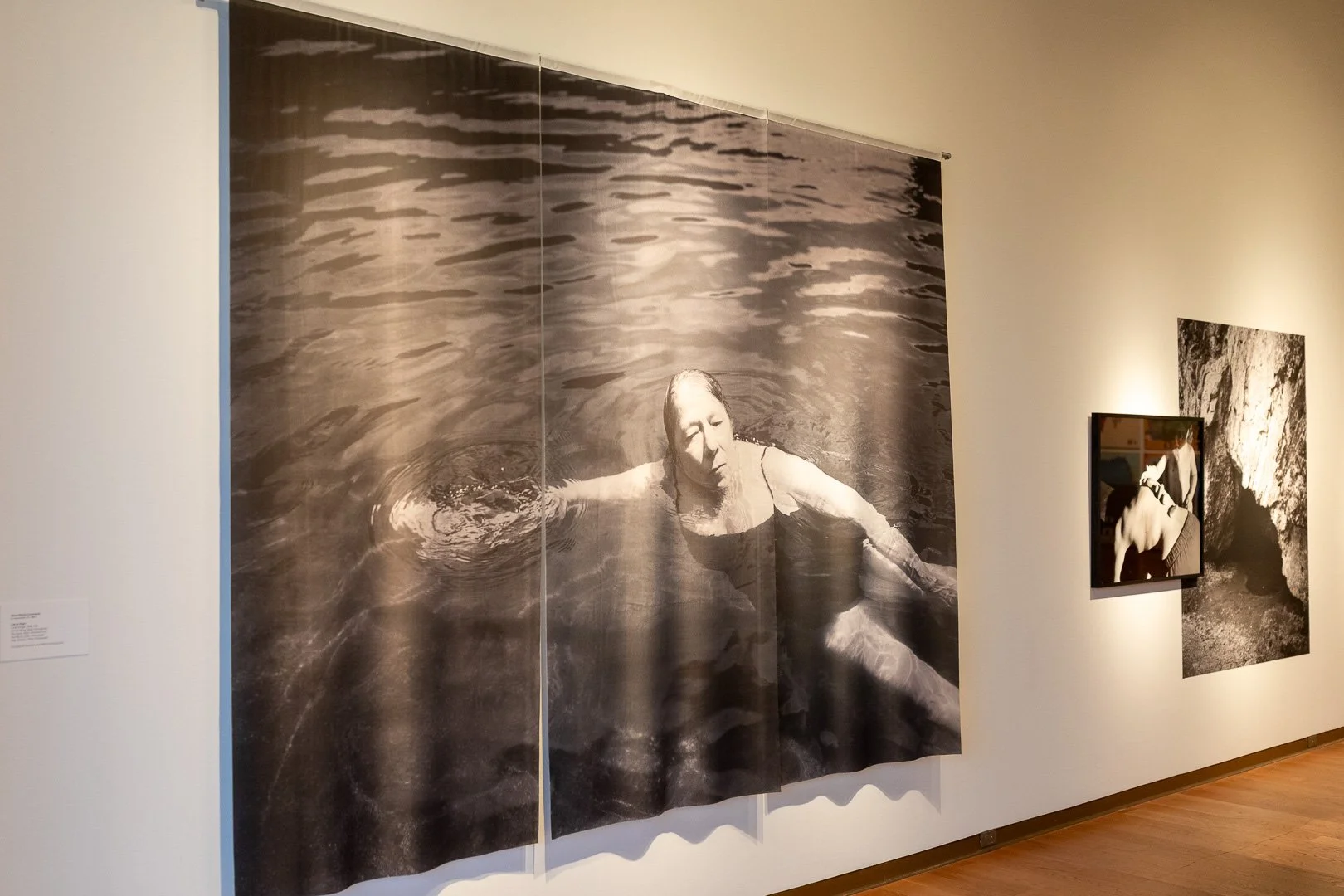
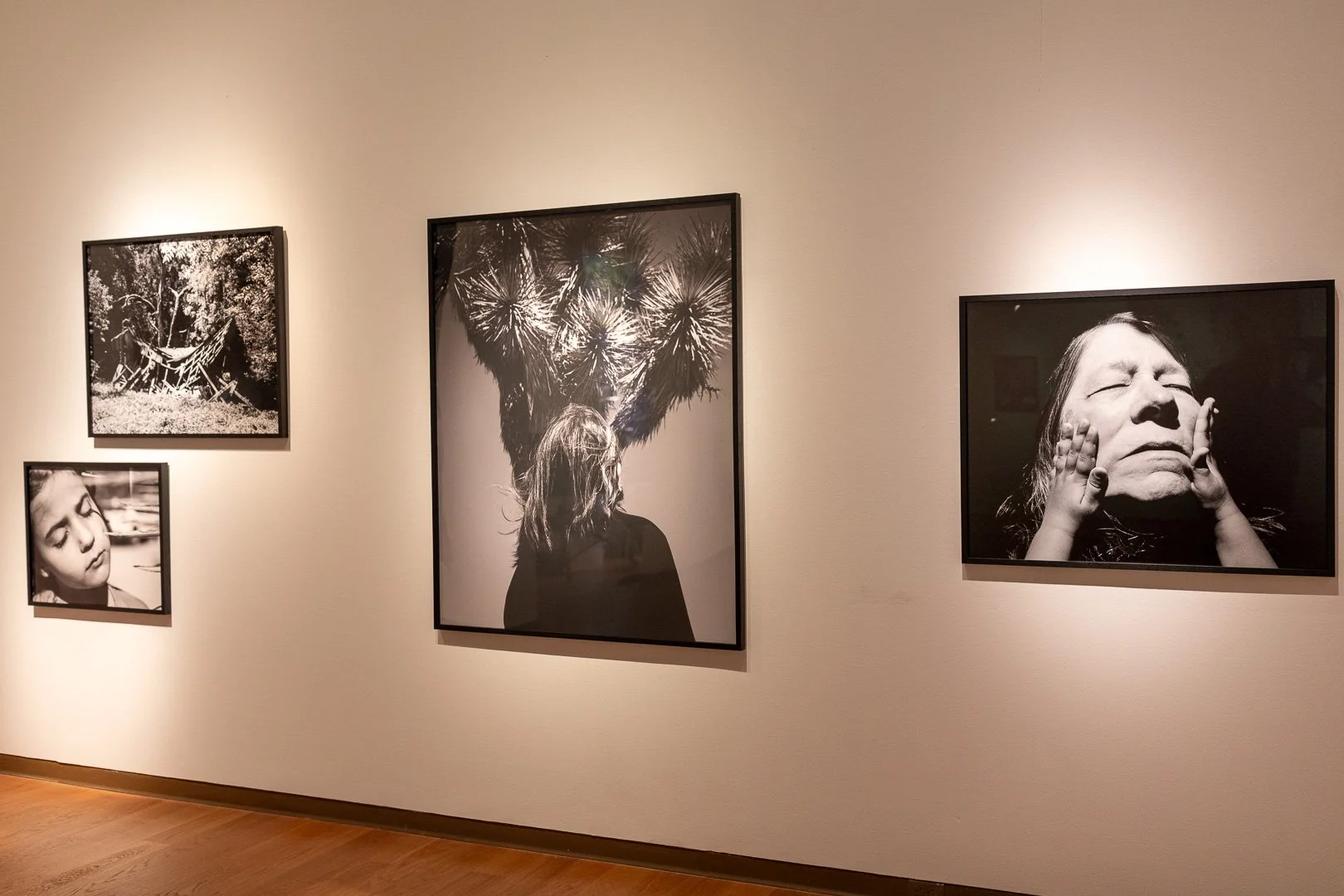
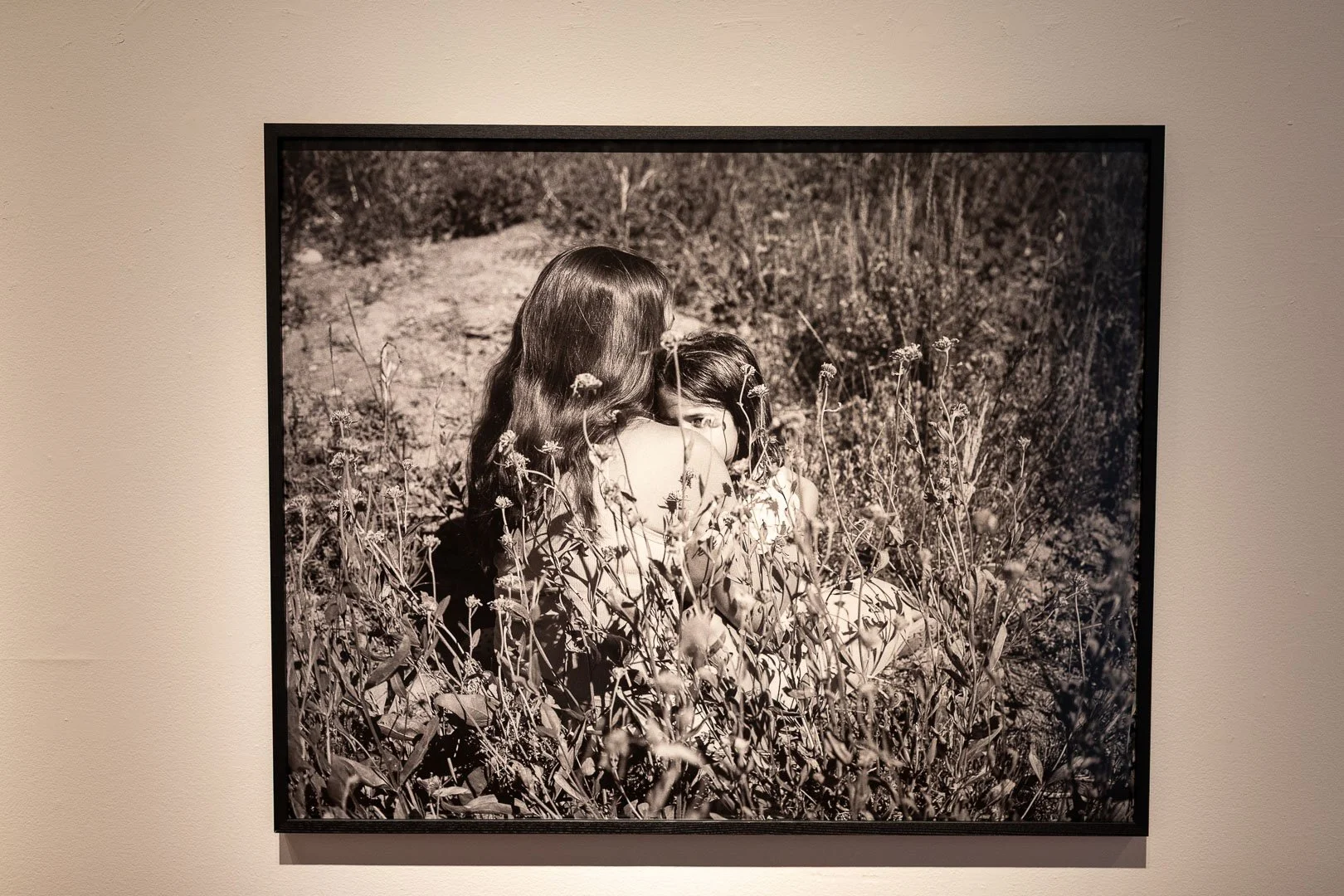
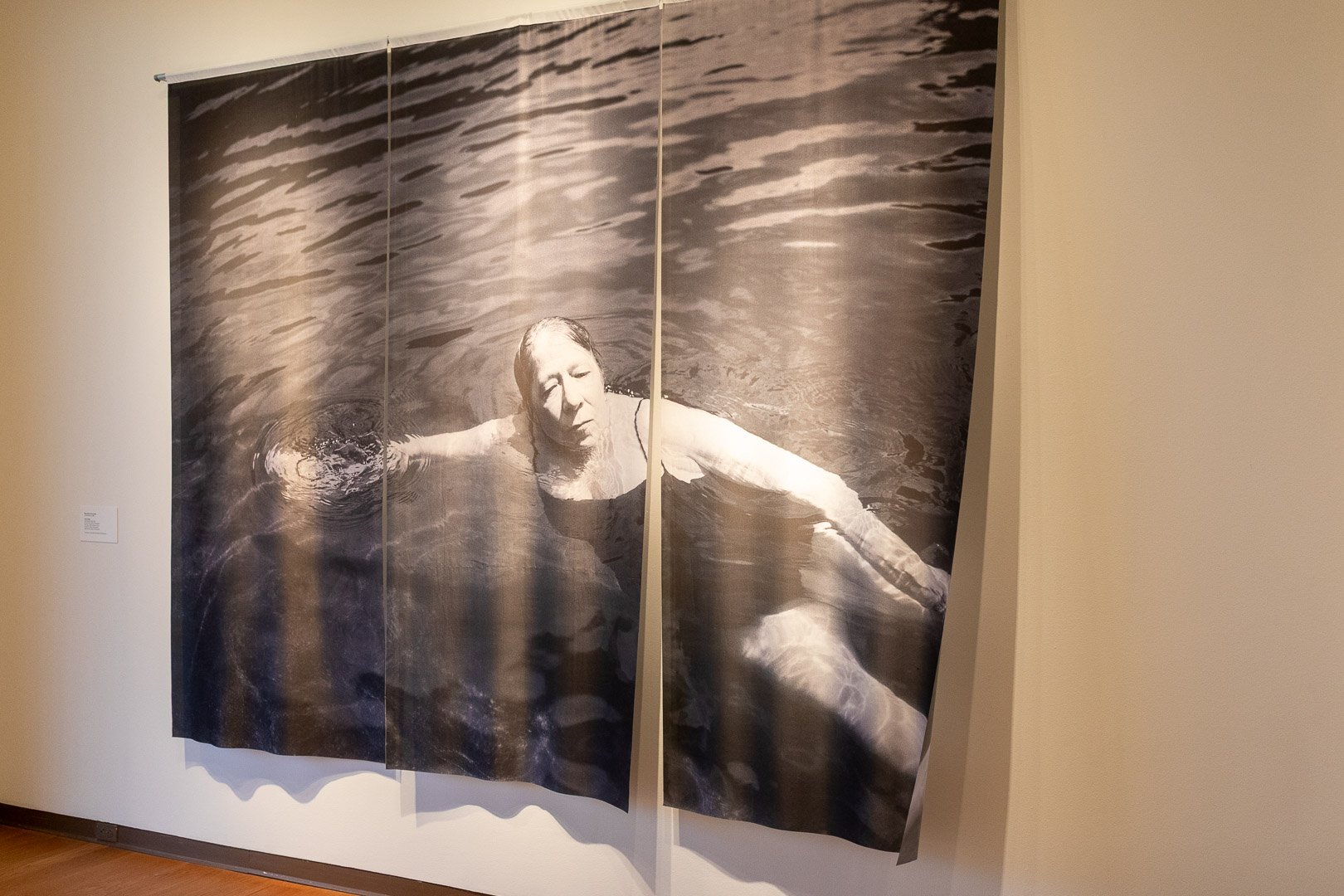
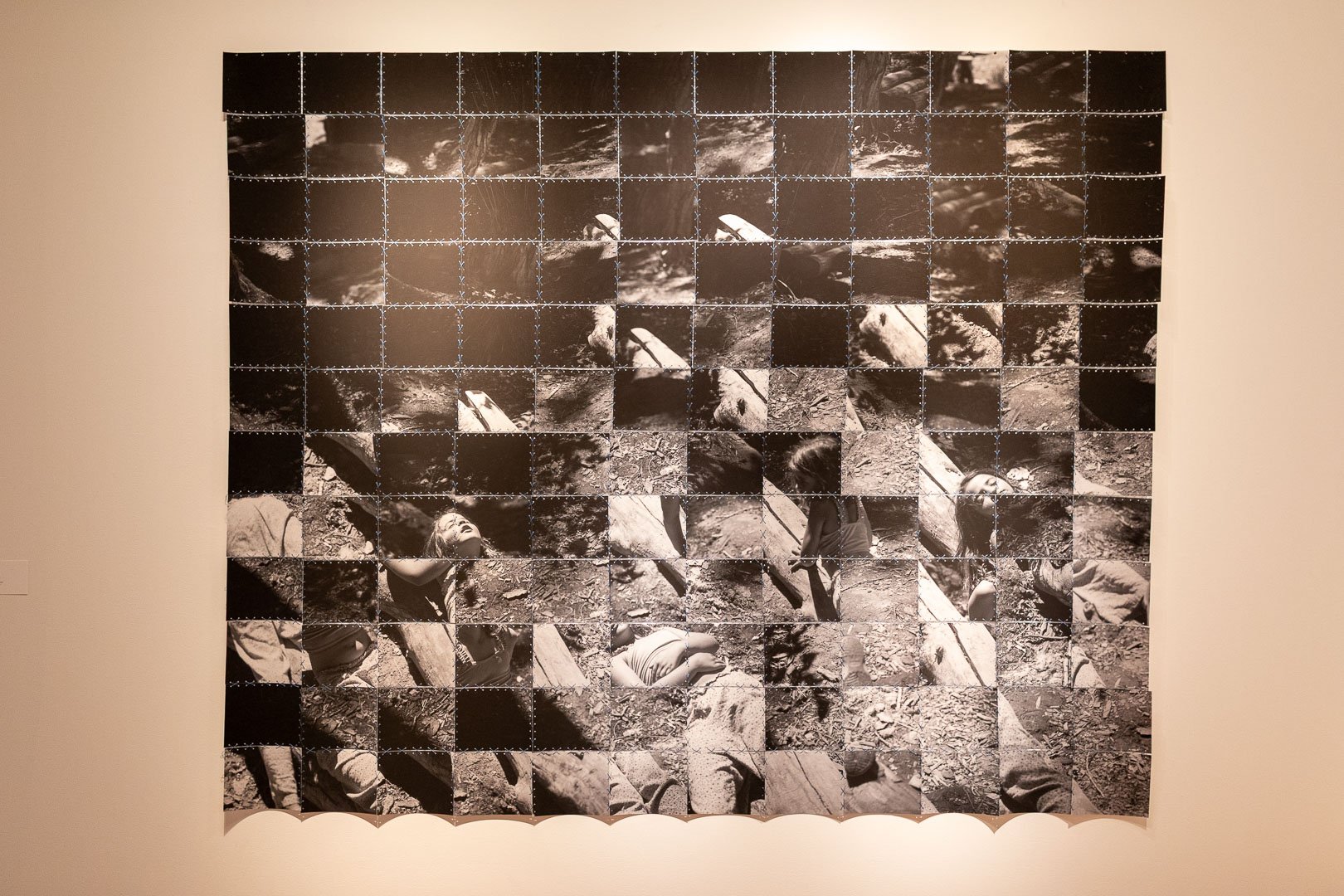
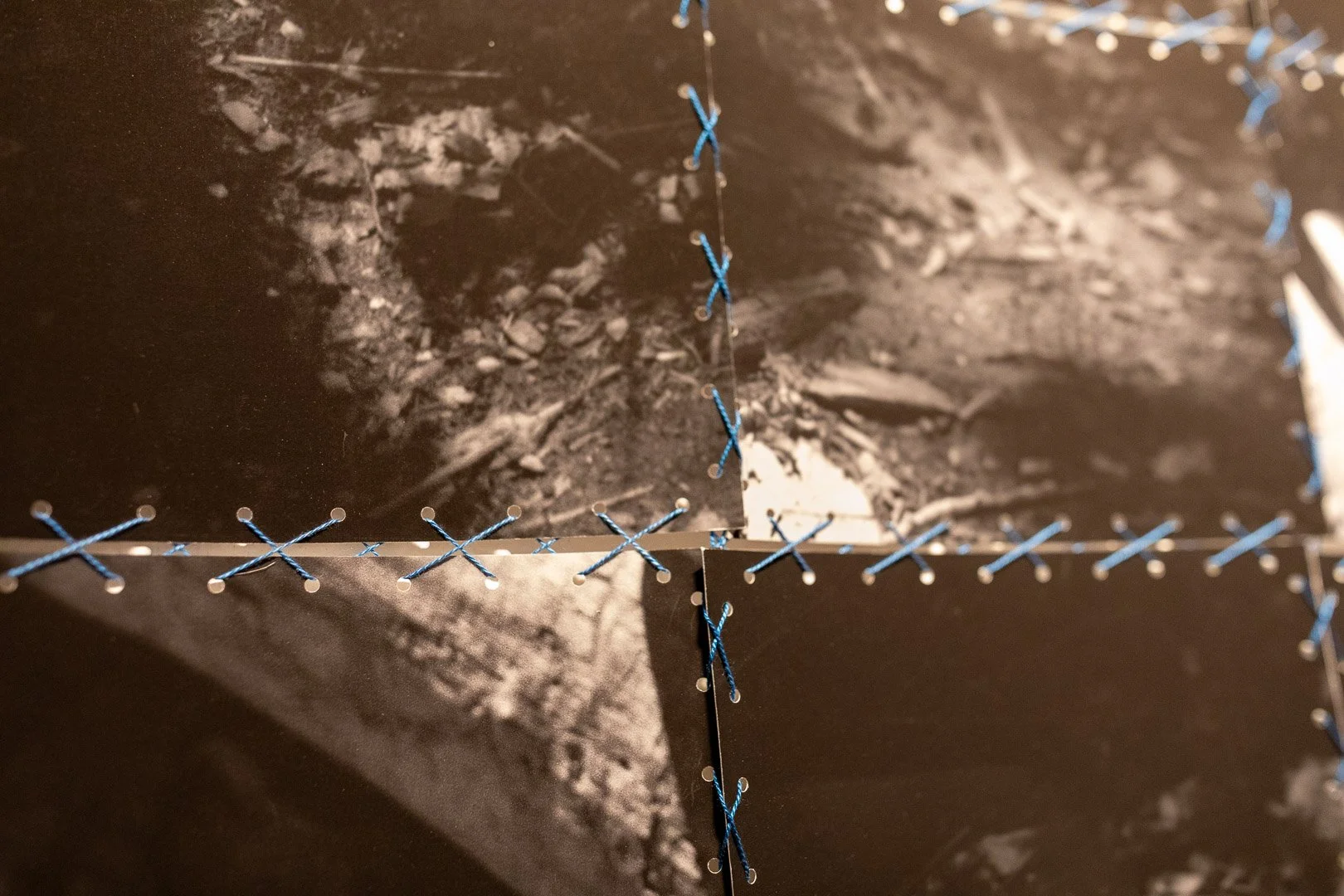
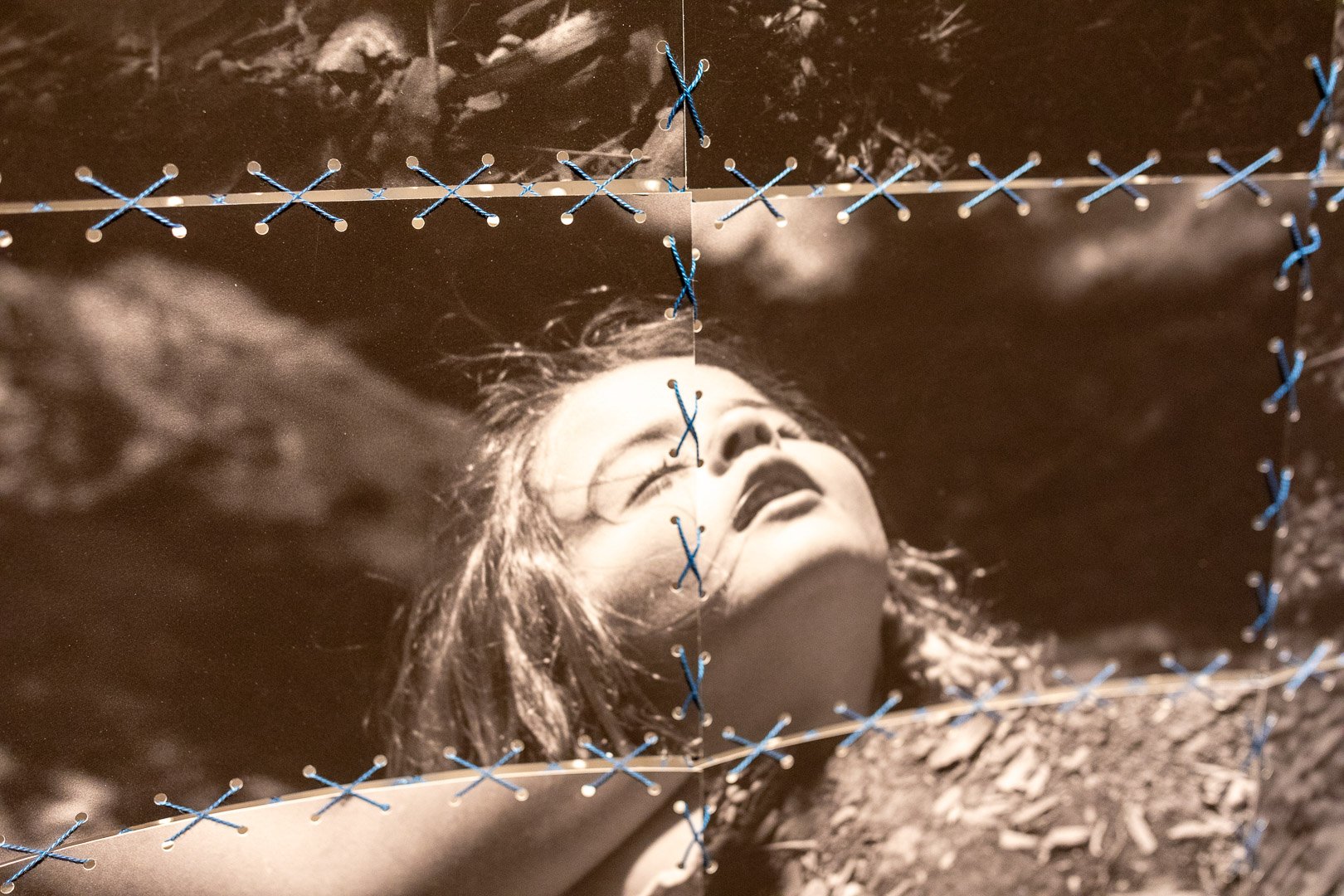
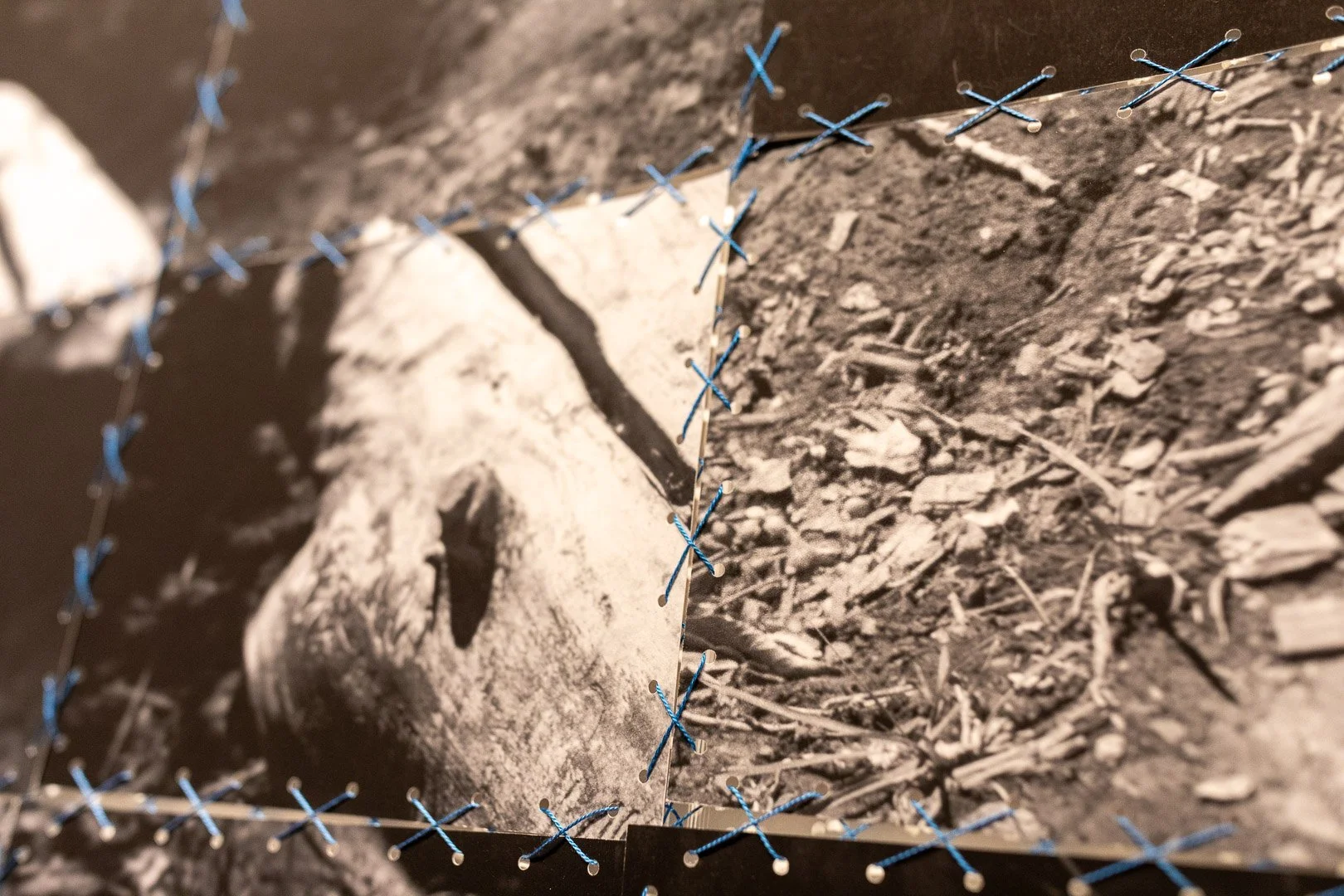
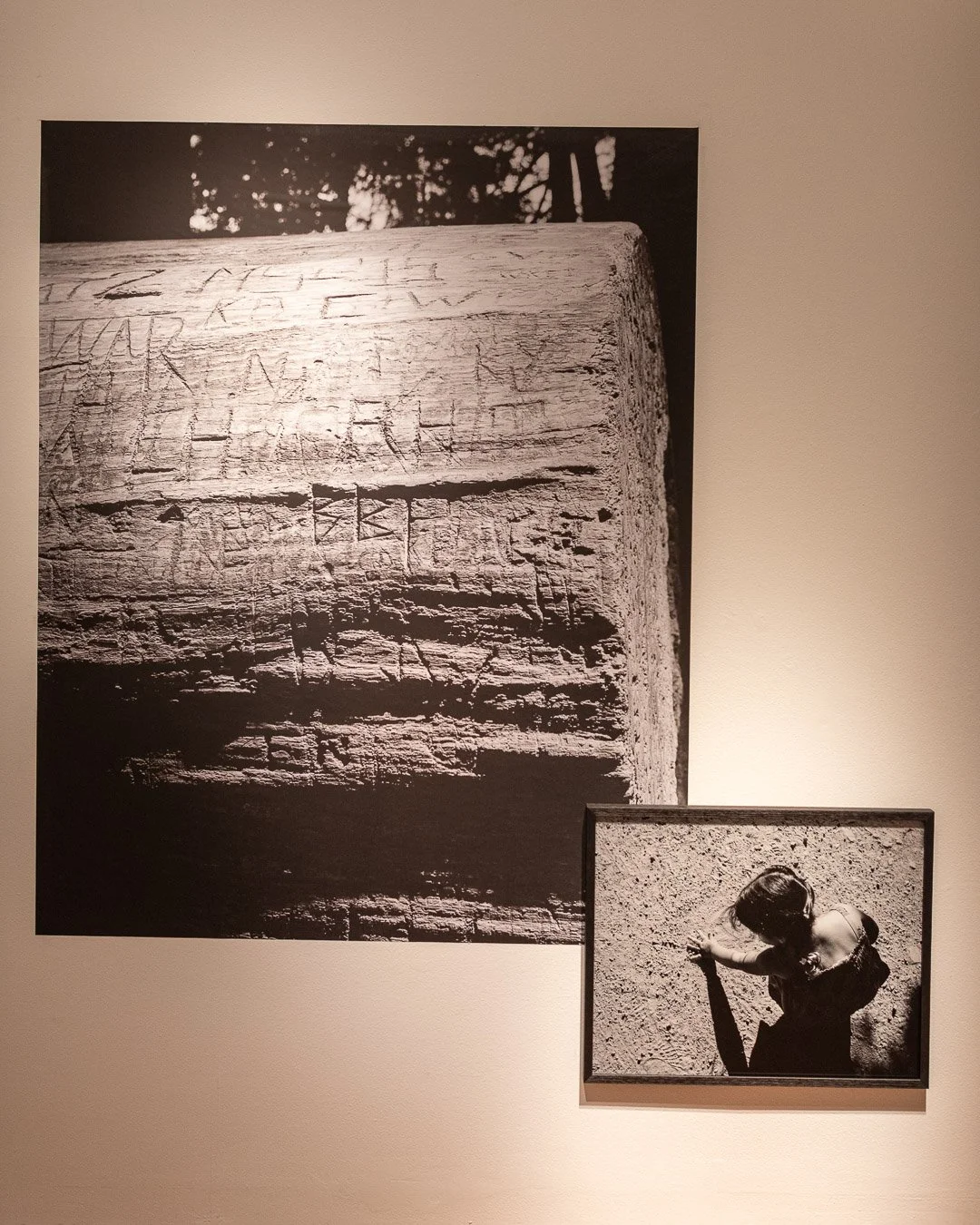
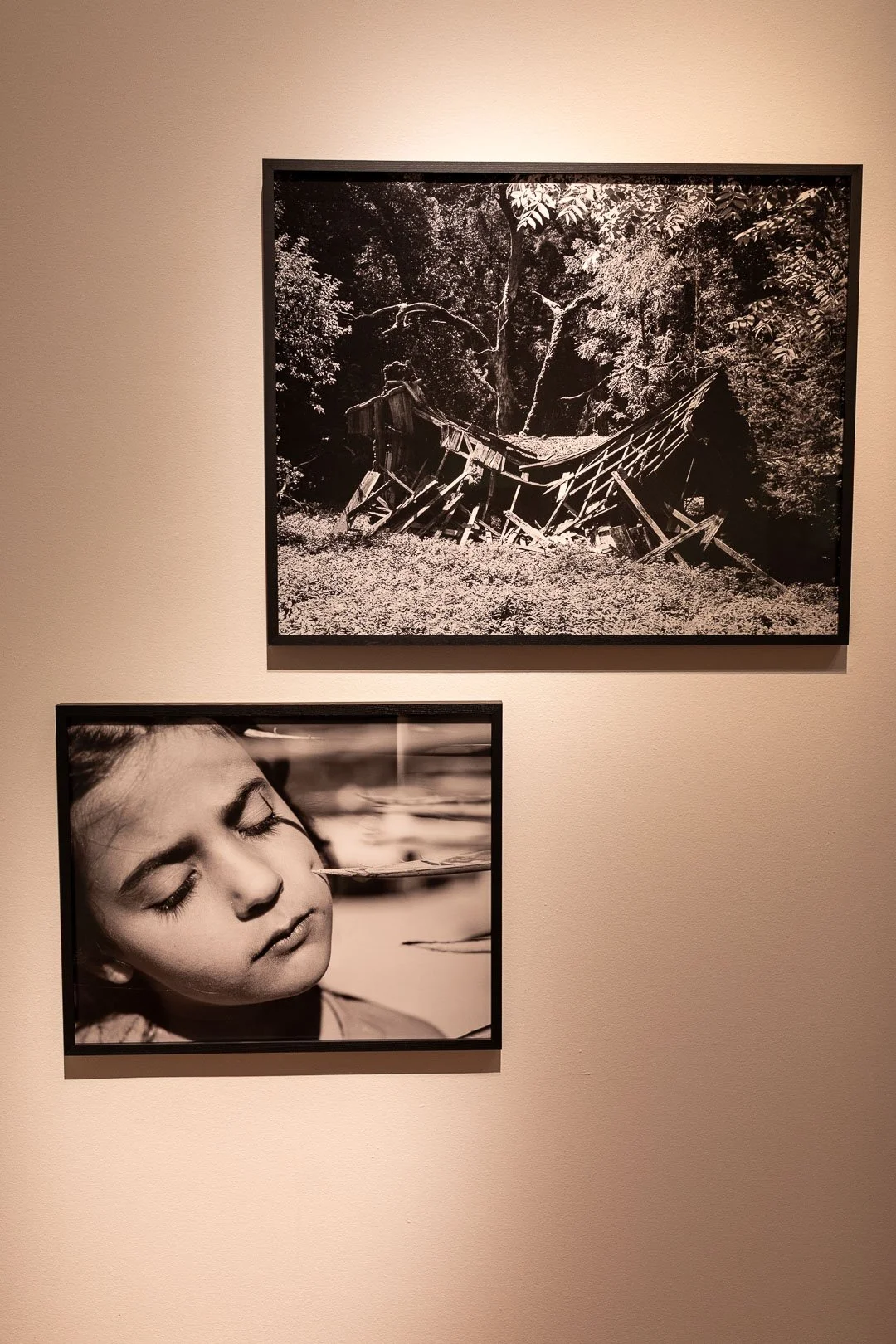
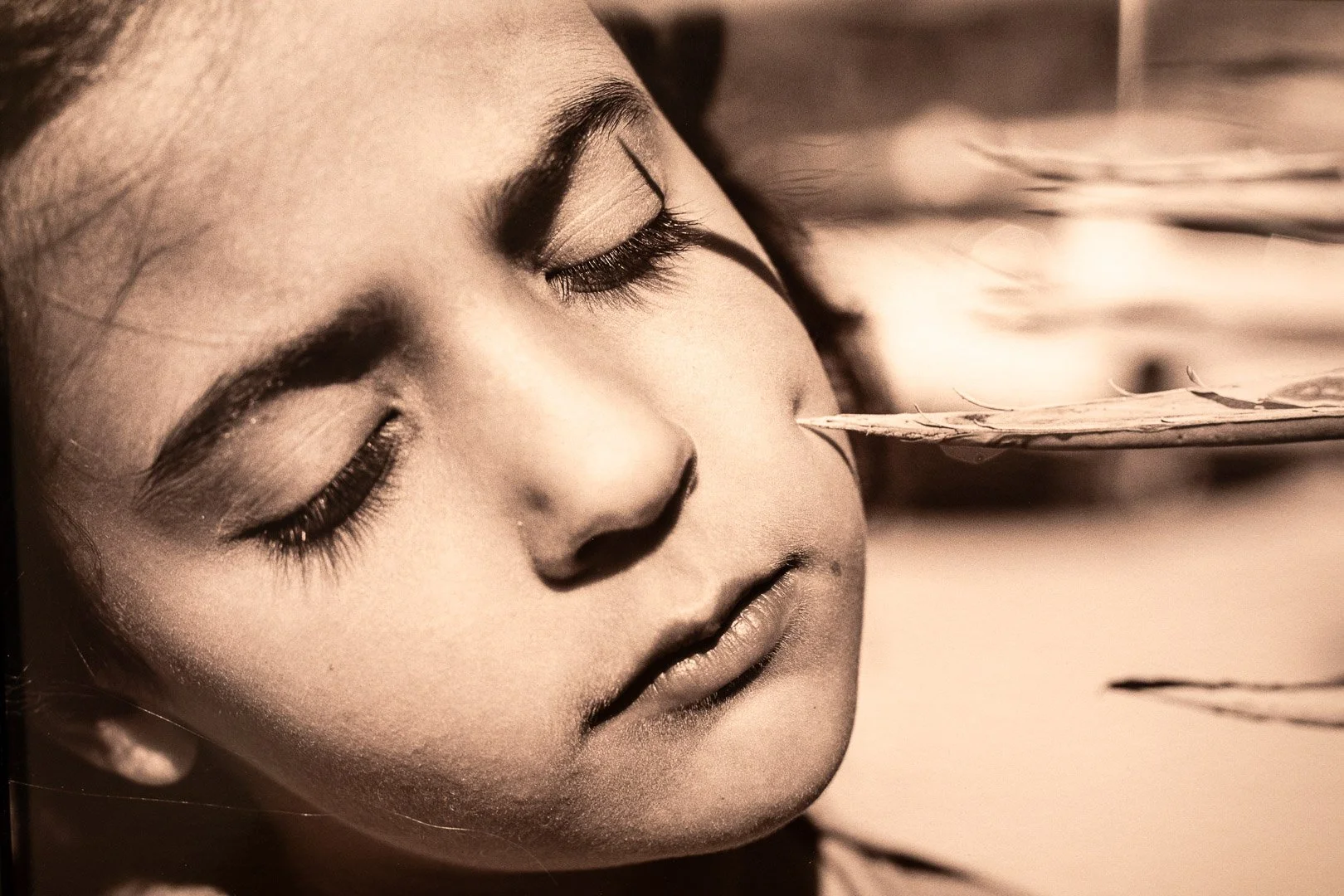
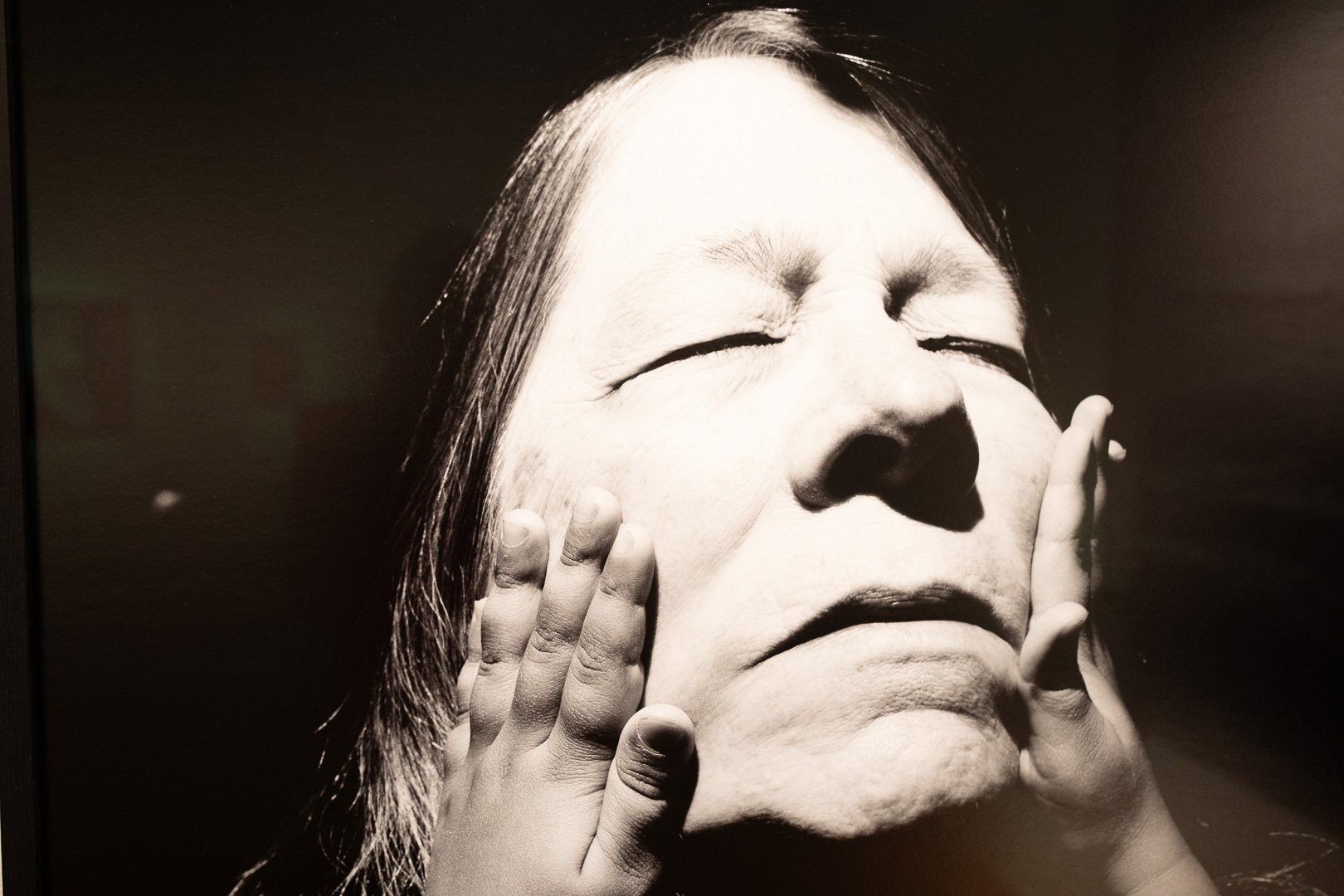
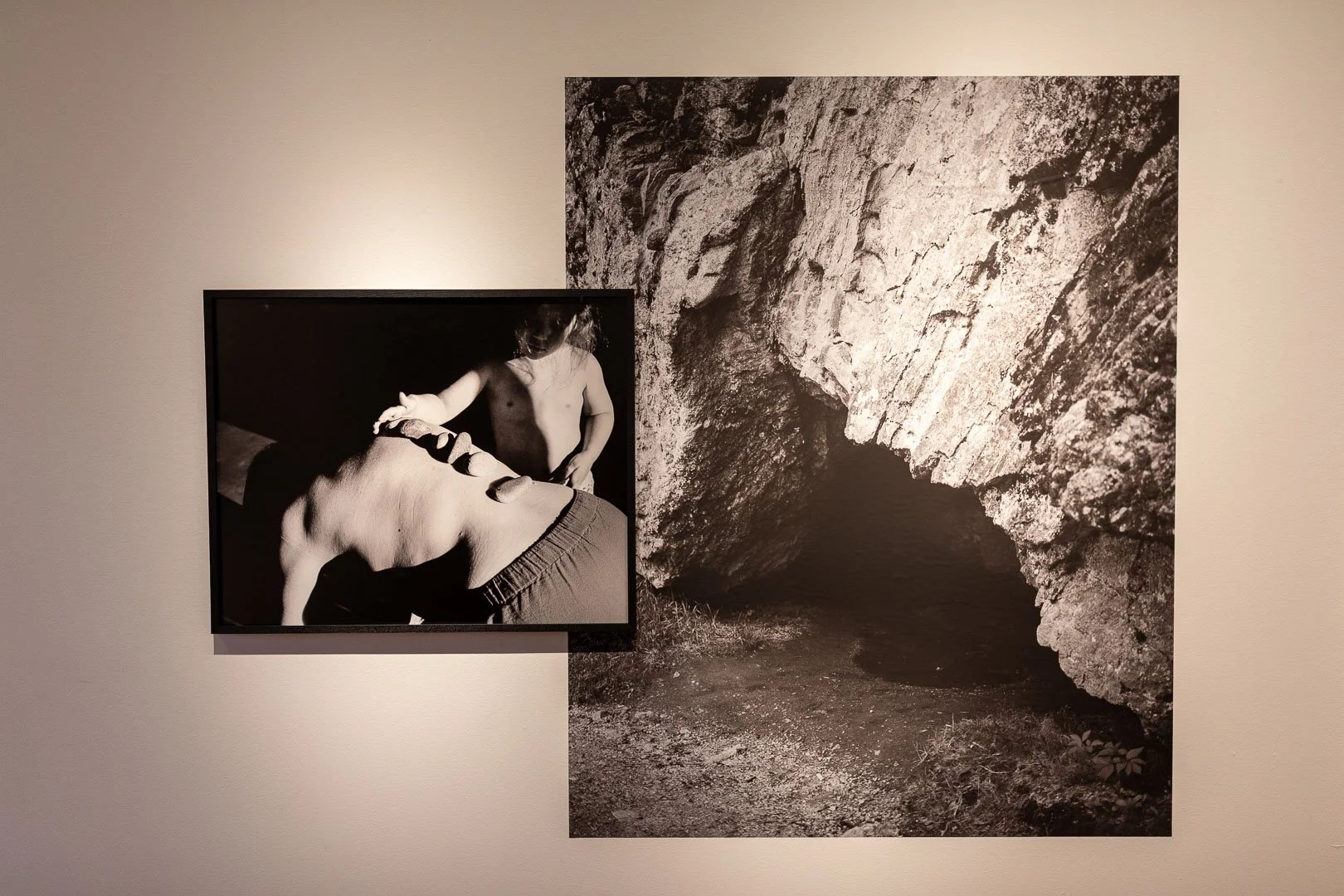
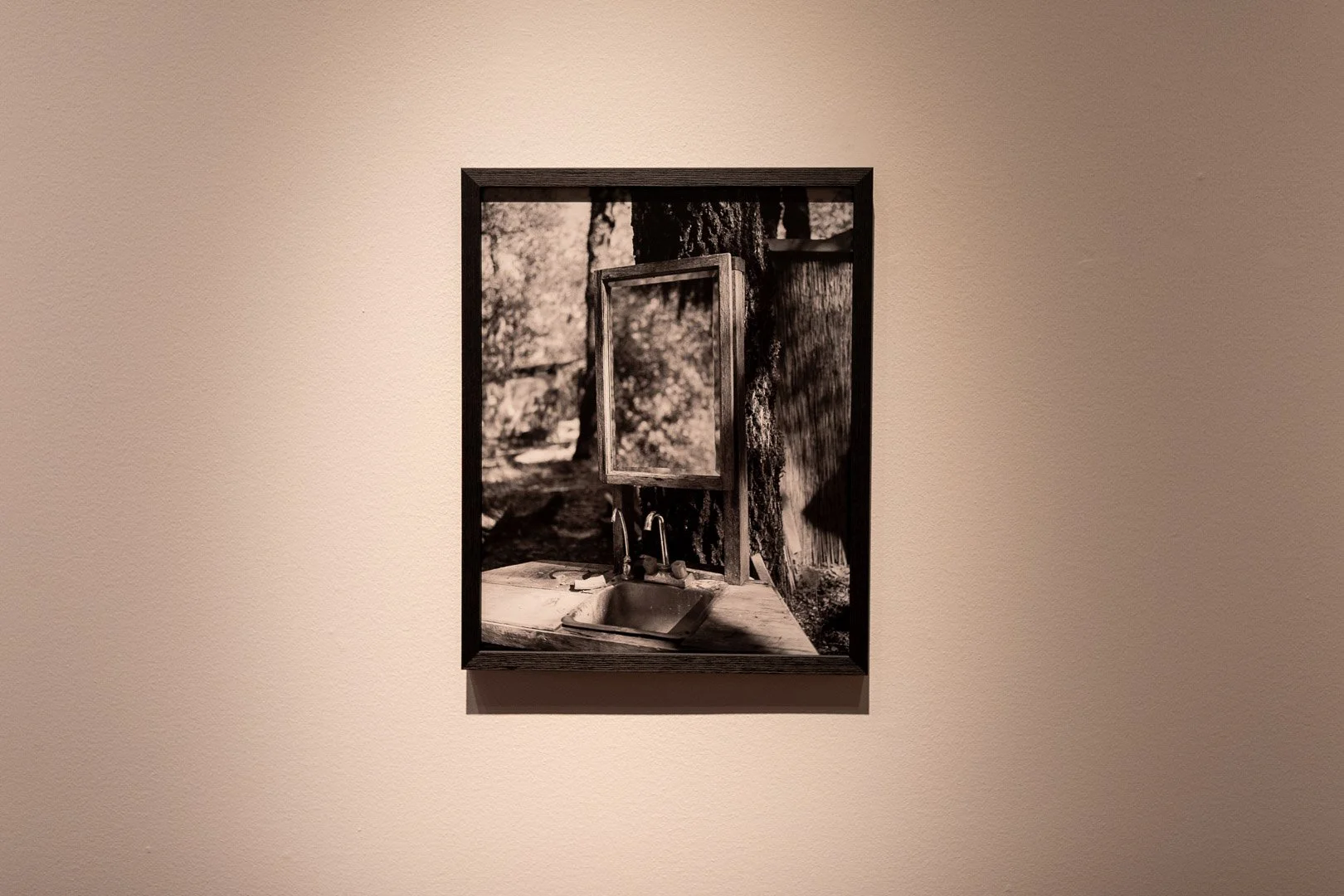
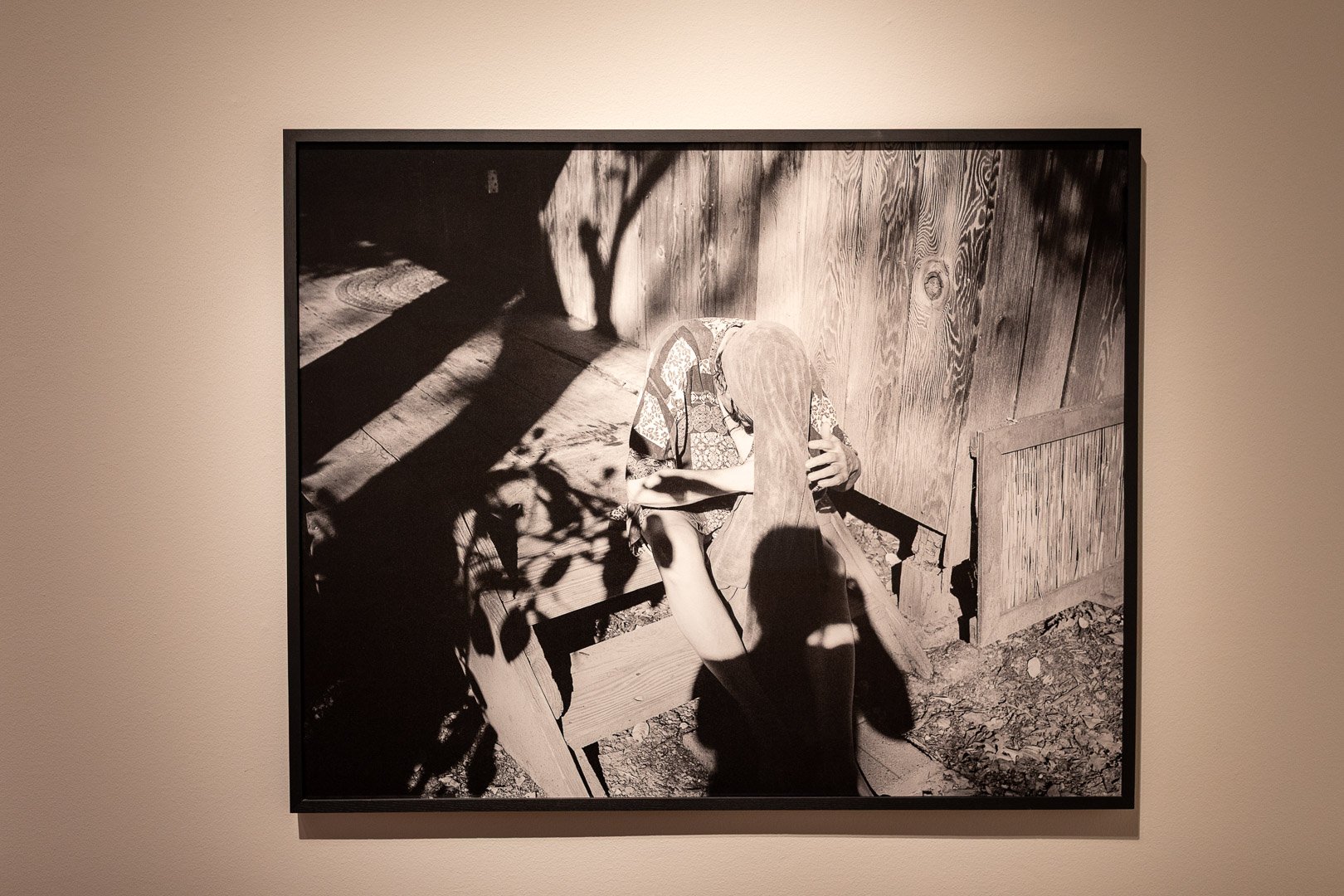
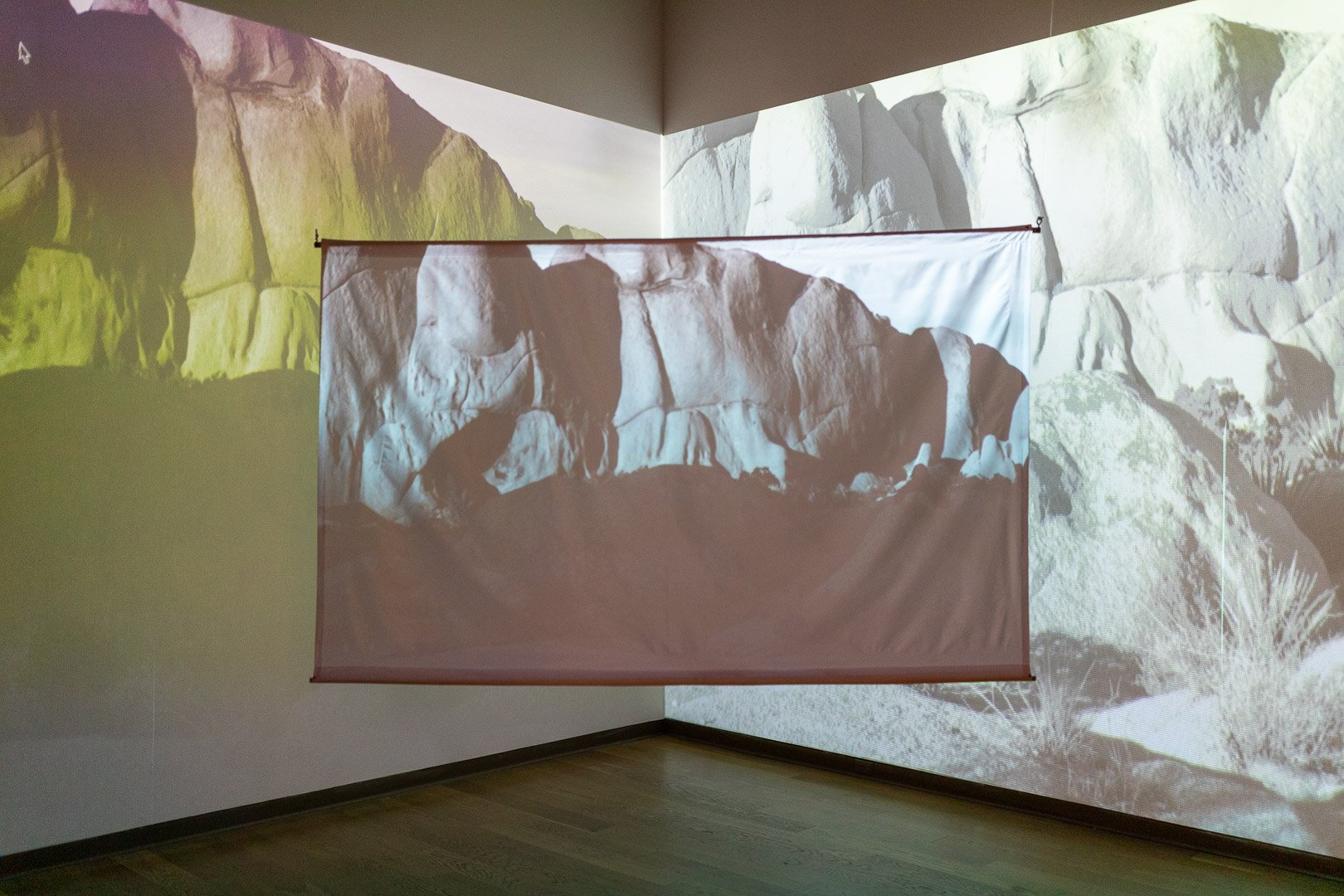
Florida-based artist Rose Marie Cromwell, born in Sacramento, California and raised in Seattle, explores matriarchy through black and white photographs of her mother and daughter with landscapes of the American West as a backdrop. While drawing inspiration from landscape photographers Ansel Adams and Robert Frank, Cromwell has stated that she also sought to oppose the traditional male colonial gaze upon these landscapes. She turned to the writings of Joan Didion, who took on the prevailing narratives of the West and explored it from a personal angle through creative non-fiction. In Cromwell’s spectacular 3-channel video installation Sundown (2026), a nude woman climbs and frolics among boulders under the sun, drawing parallels between women’s bodies and monumental landscapes. Putting the corporeal, perishable human body beside landscapes that also embody immortality, Cromwell also explores the concept of time as something that contracts and expands. Within this framework, birth, life, and death as contemplated by Cromwell, who is both a mother and daughter, overlaps. This is perfectly demonstrated by the pieces On the Log (2026), a photo-quilt of her daughter, and The Face (2022), a portrait of Cromwell’s mother’s face held by her daughter’s small hands. Both pieces represent the overlapping of fragmented time through remembering. How certain details change or mismatch because memory is potent but can be inaccurate. Much like Ri’s paintings, the essence of memory is the meaning and emotion we can glean from it. In this sense, documentation and memorabilia are but tools that can be taken apart and rearranged, similar to Tommerup’s paintings, to create narratives and perspectives that are transformative.
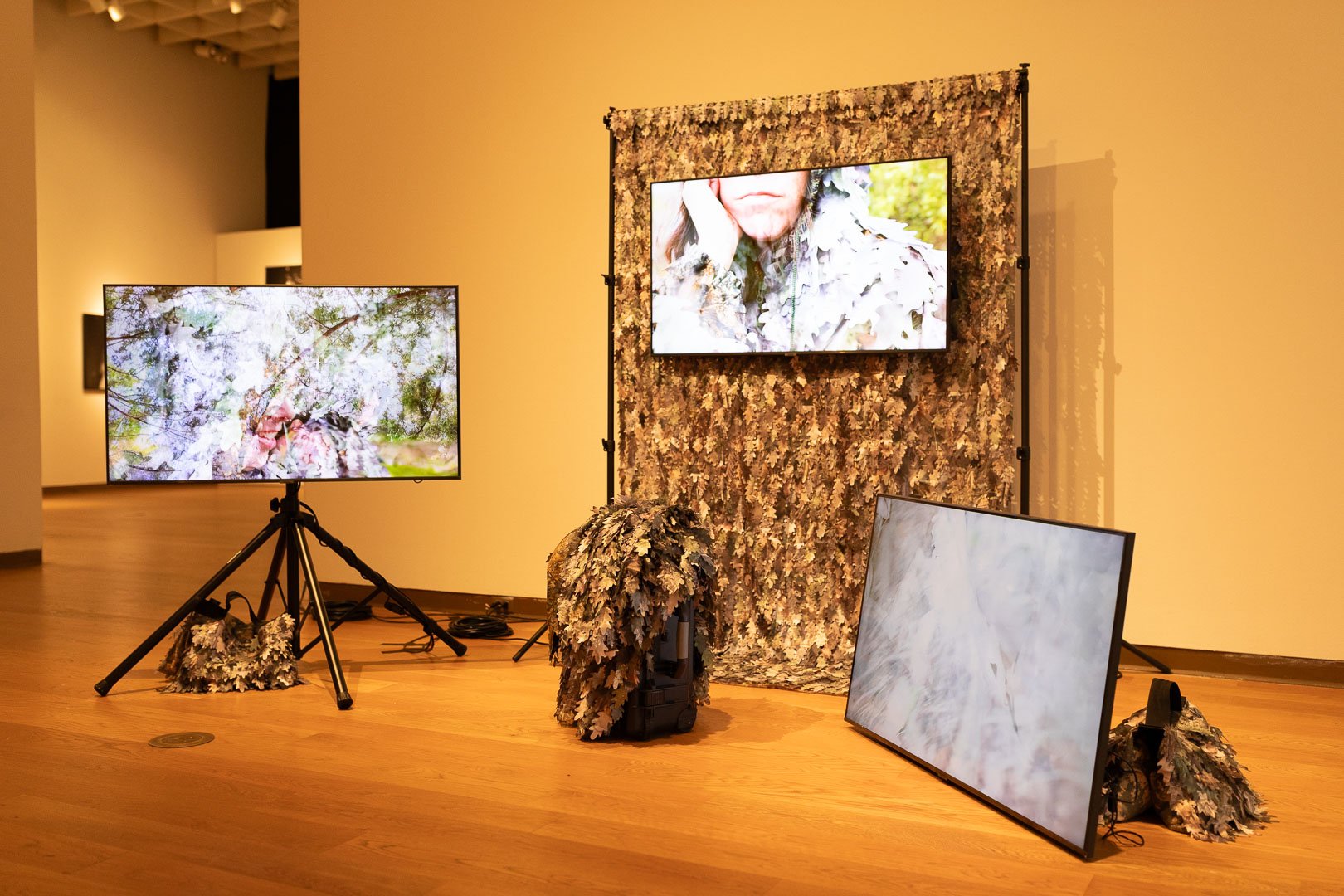
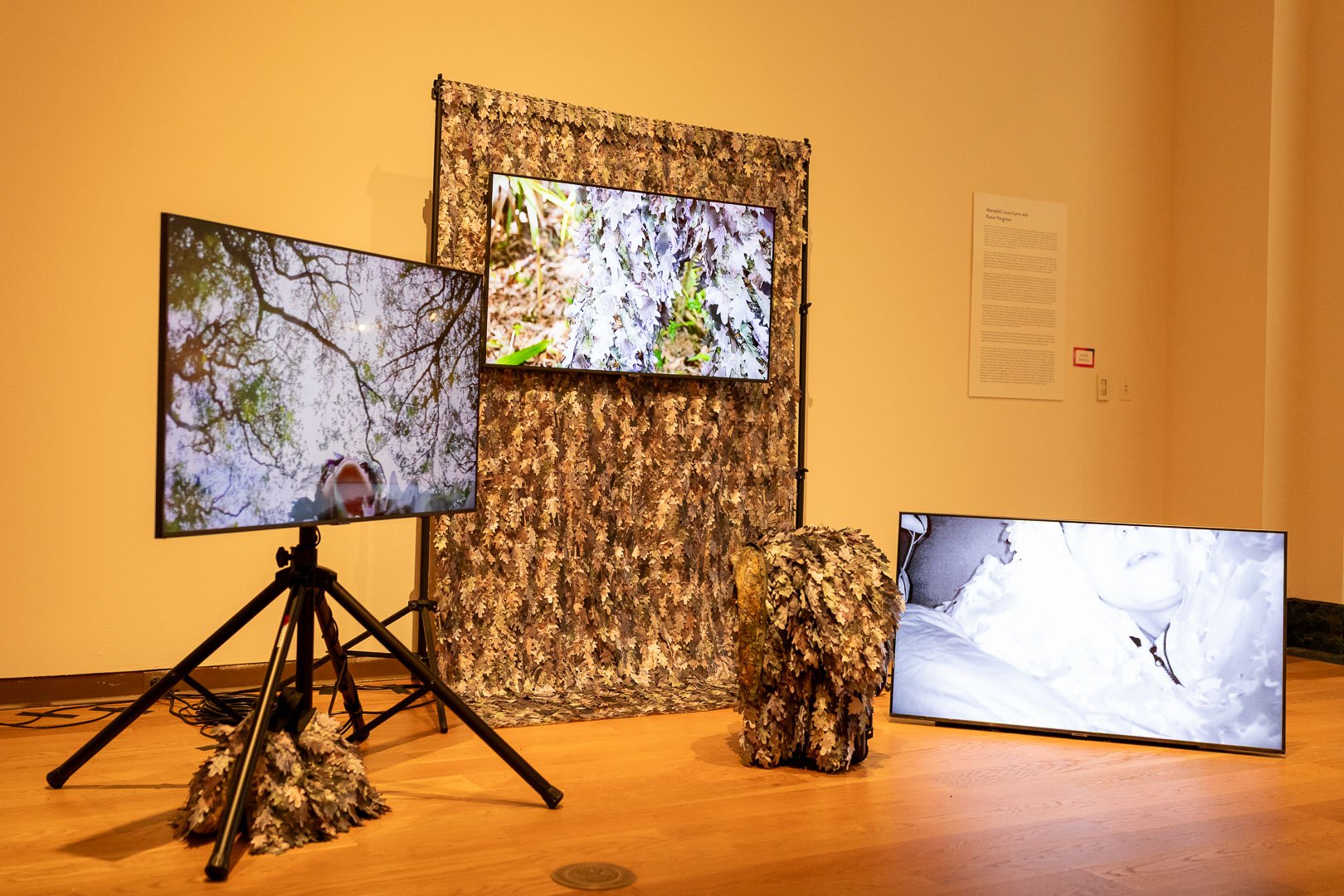
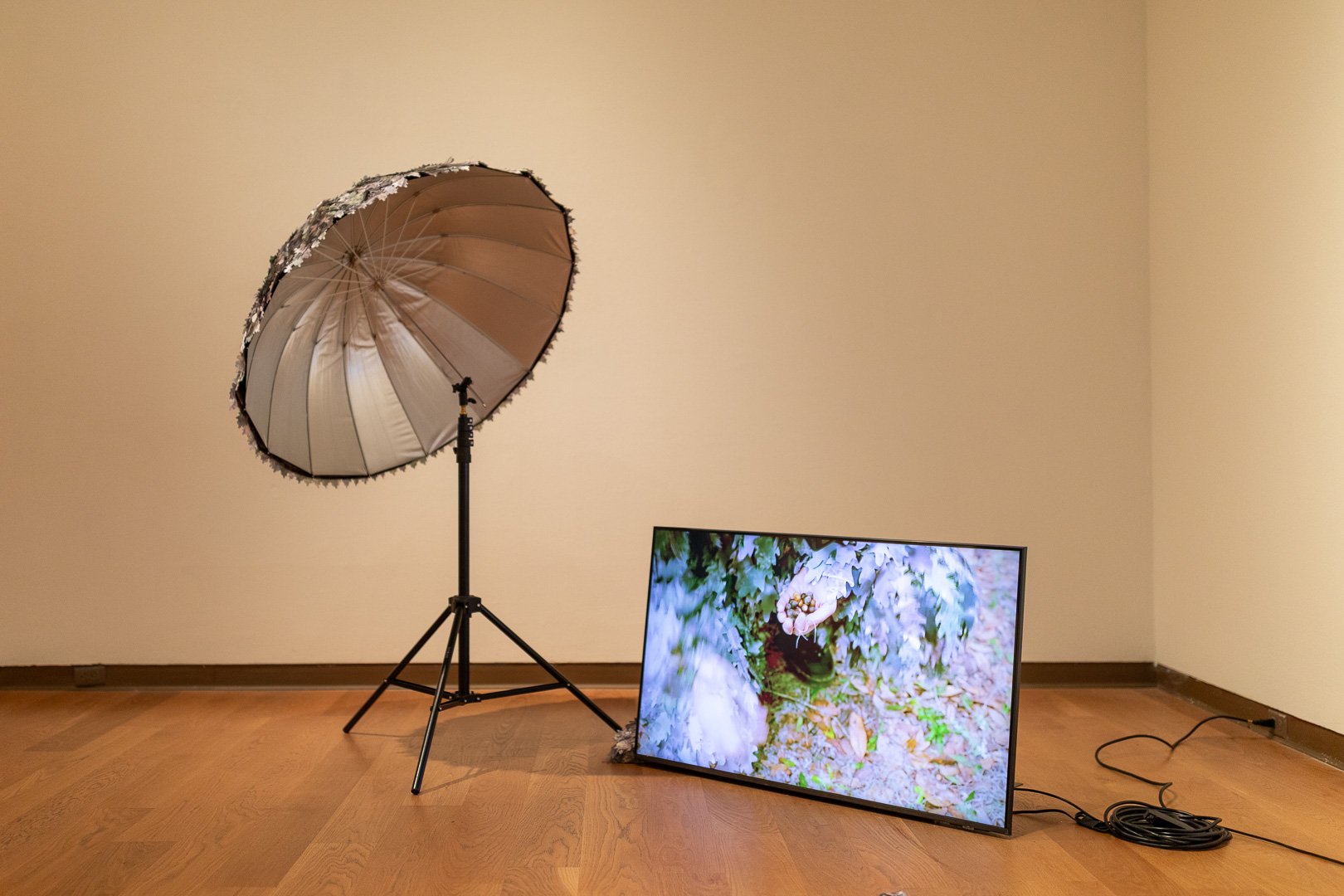
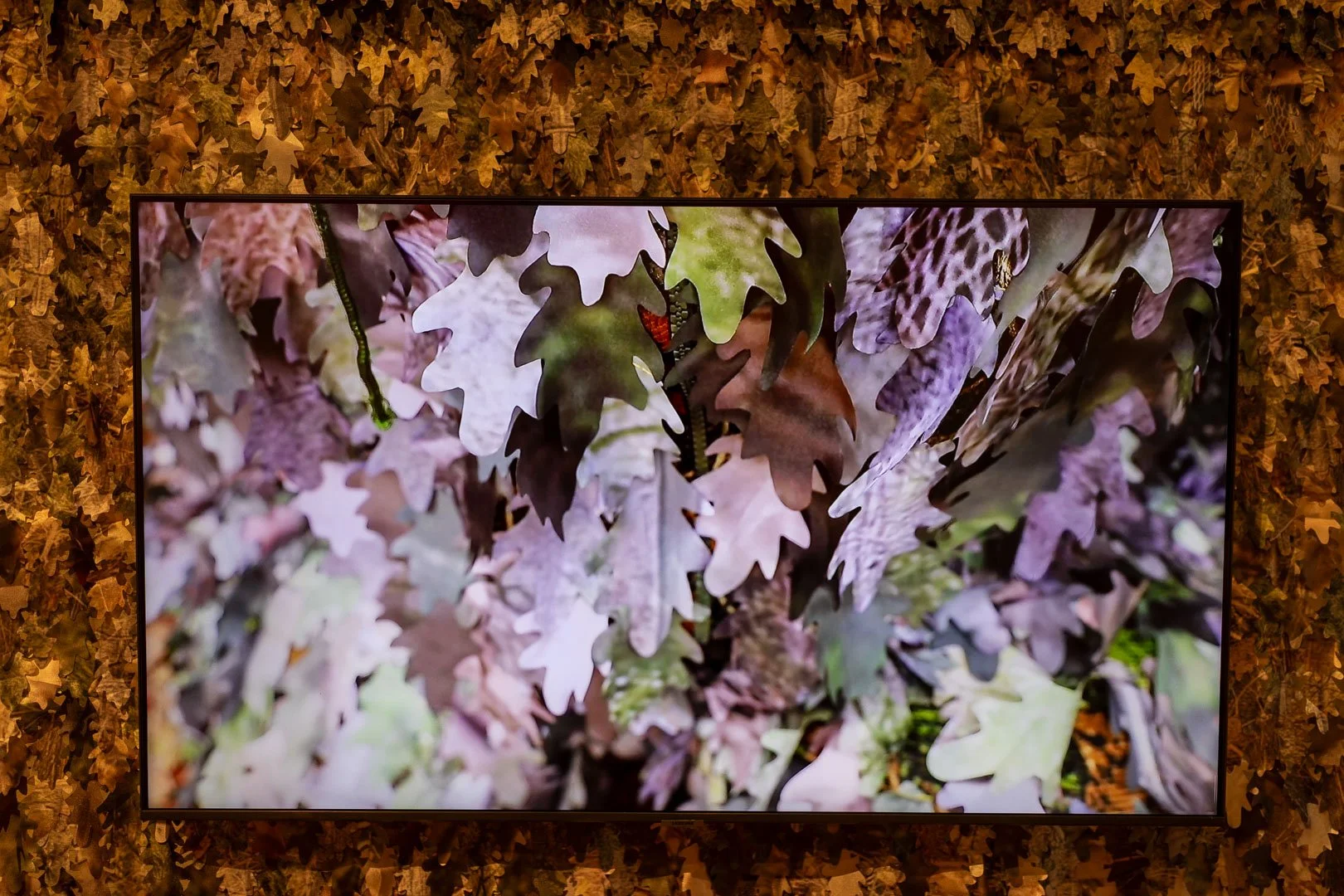
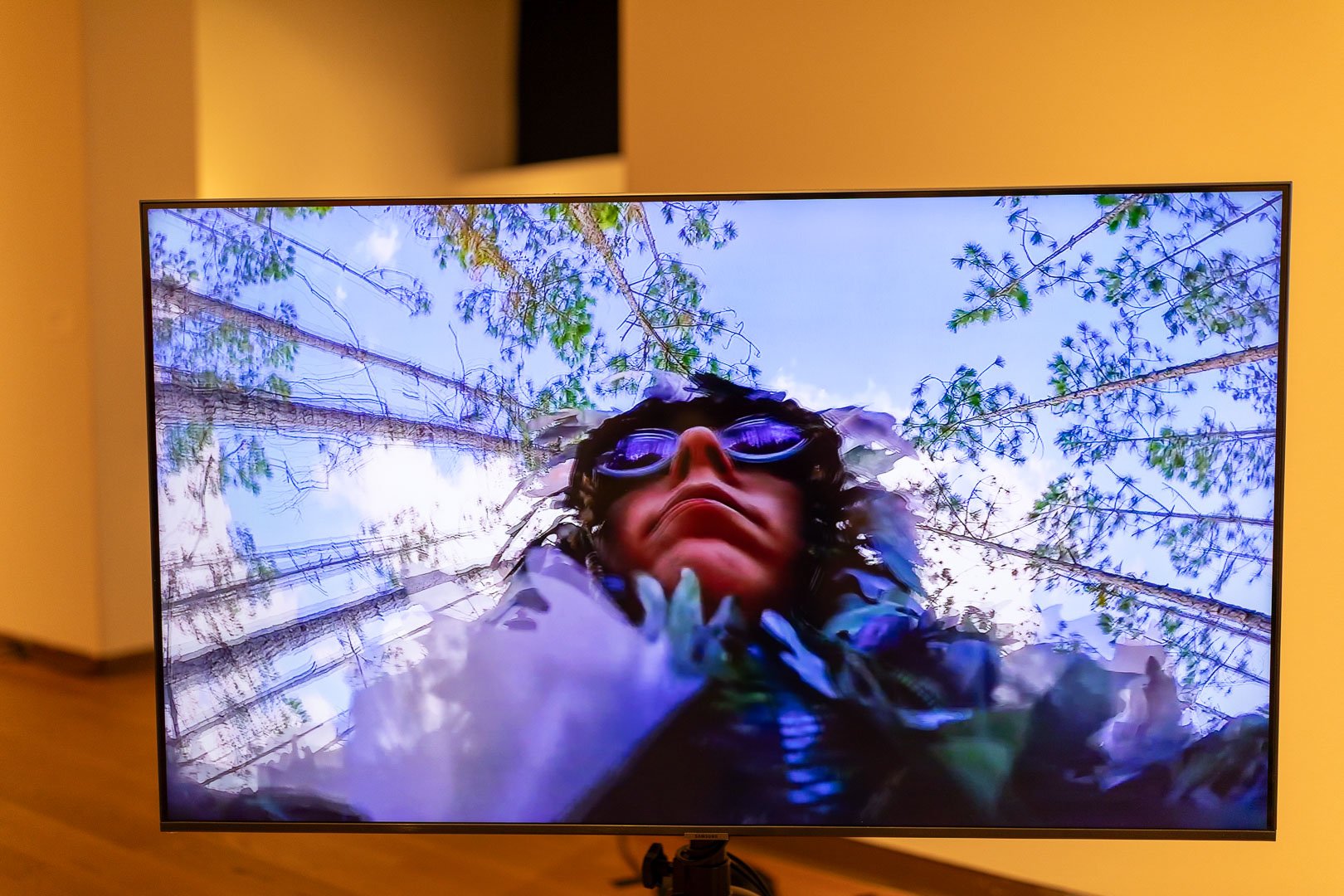
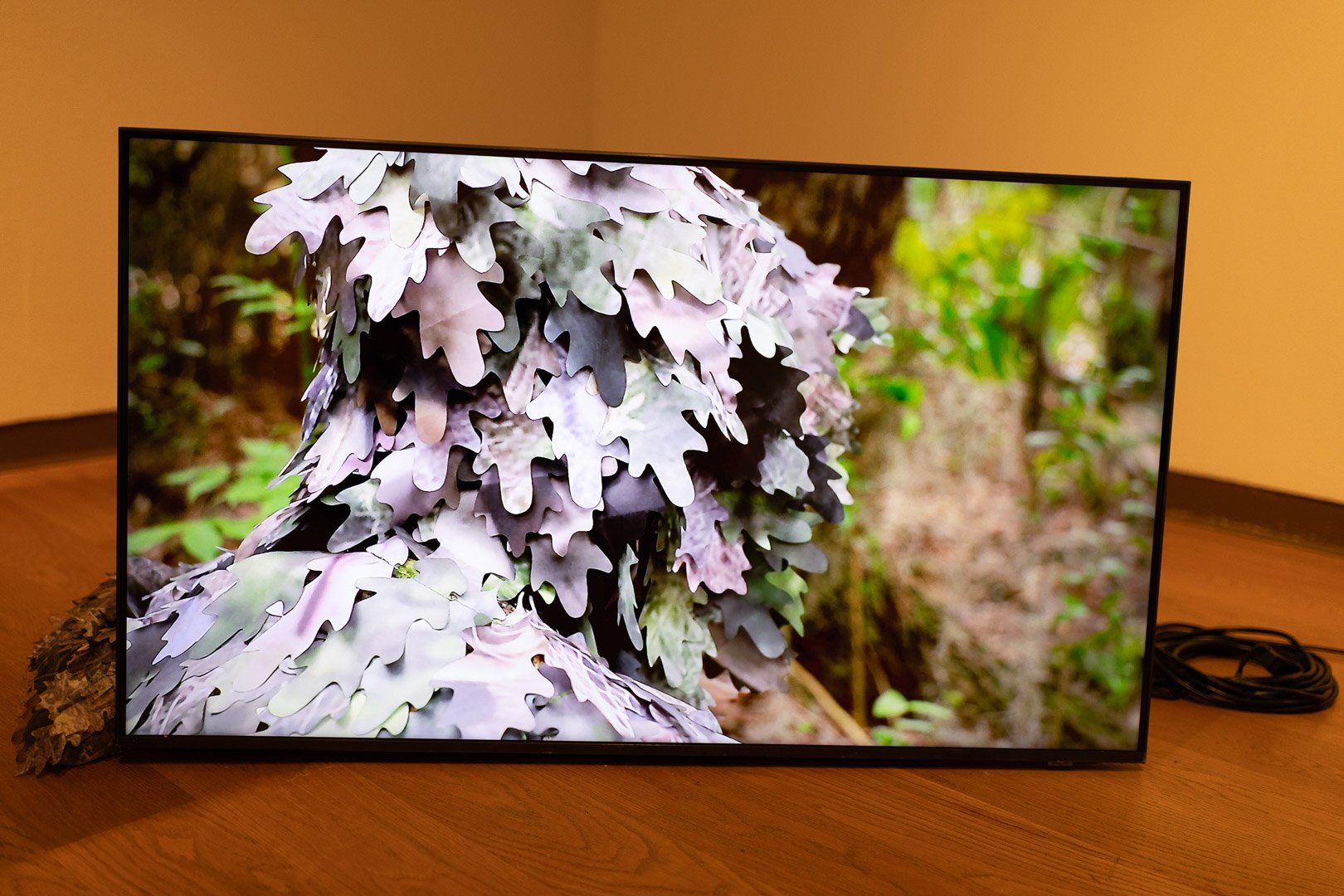
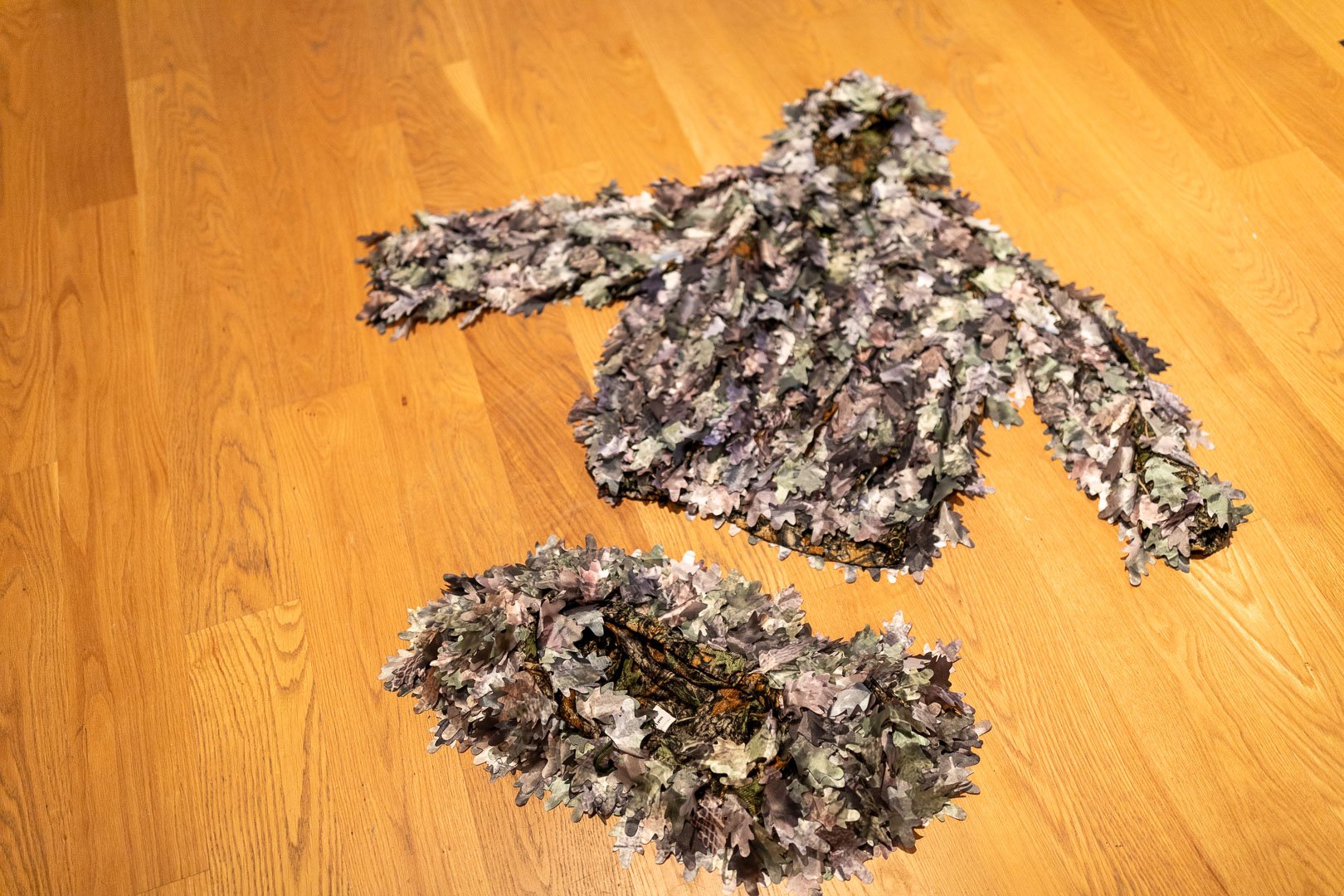
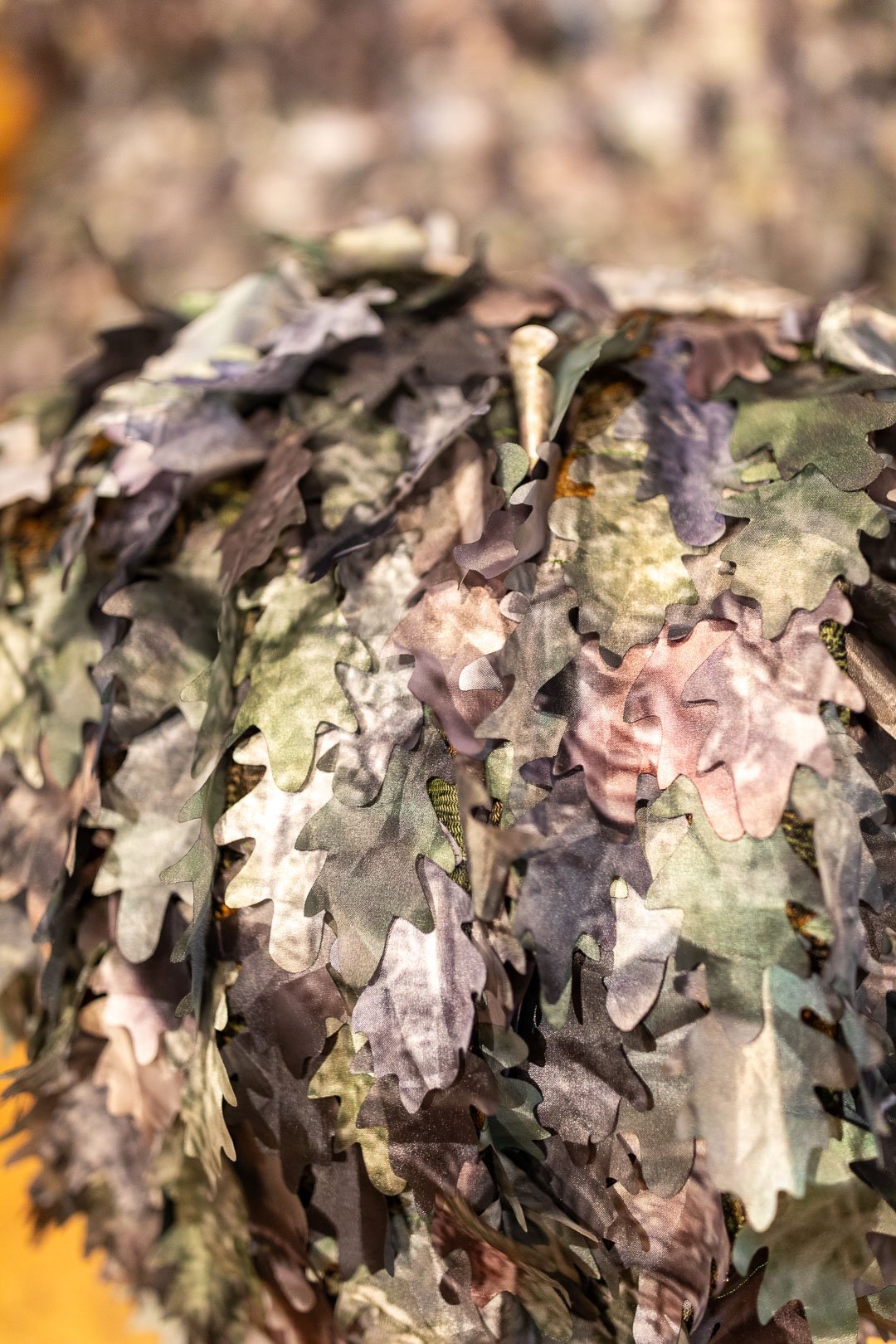
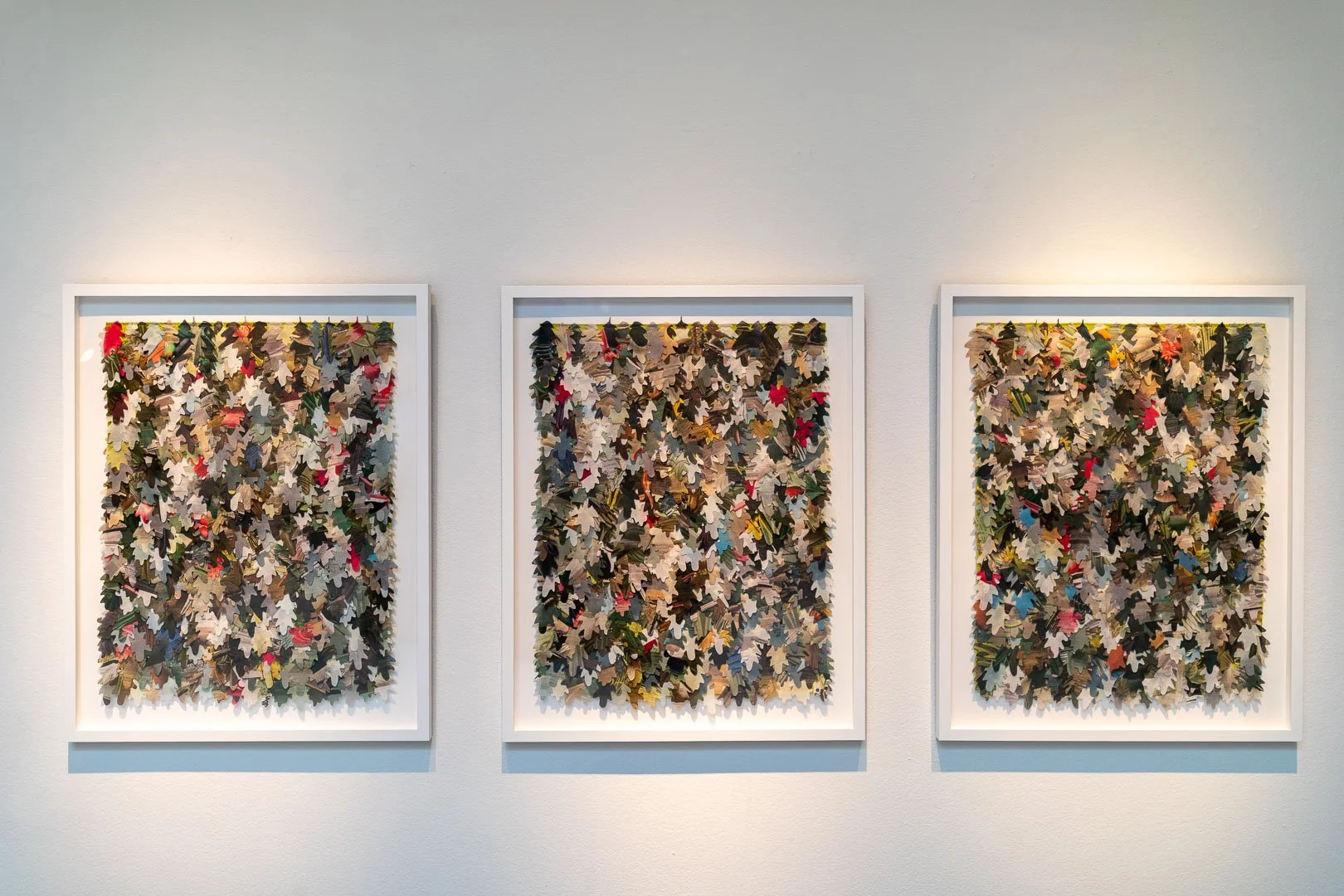
The Bad Outdoorsmen (Application Video) series by Katie Hargrave and Meredith Laura Lynn, literally provides a breath of fresh air by putting humor at the forefront of their video installations. Inspired by reality TV shows like Alone and Naked and Afraid, Hargrave and Lynn, who met as MFA students at the University of Iowa, filmed their hiking excursions during the pandemic. As they braved the outdoors, they toe the line between being funny and the actual mortal dangers of the wilderness. In their artist discussion, Lynn and Hargrave mentioned 19th century explorers and conservationists, best known among them being John James Audubon, who actually struggled to survive the wild outdoors and often needed rescuing. As a part of their installation, they laid out different hiking paraphernalia used by modern-day campers and adventurers: tents, grass and camouflage suits among them. What is then signified as items of adventure, seen up close seem fragile. Bad Outdoorsmen lampoons these seemingly larger-than-life figures, the idea of adventure as a masculine pursuit, and shows how the human body fails when exposed to natural elements.
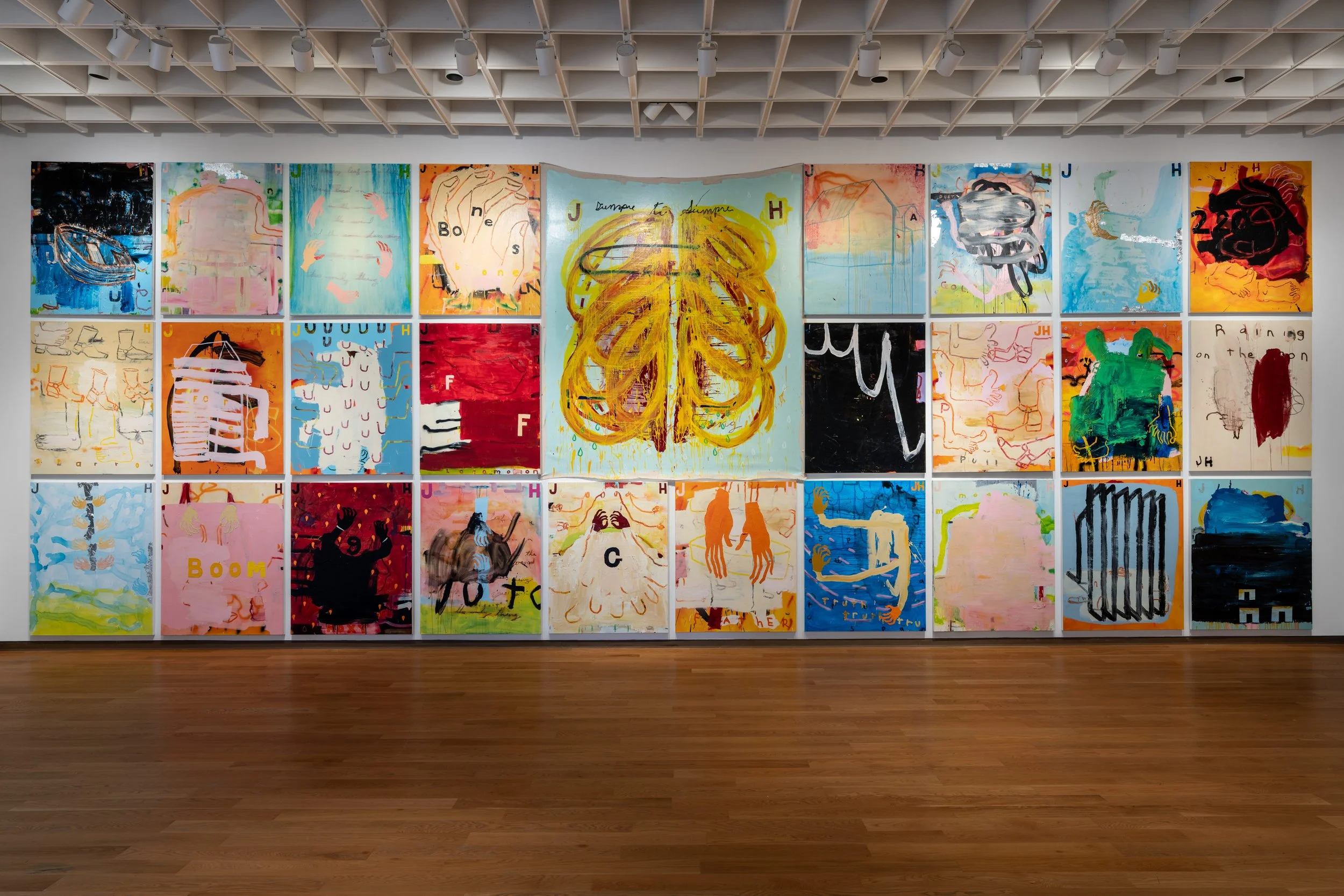
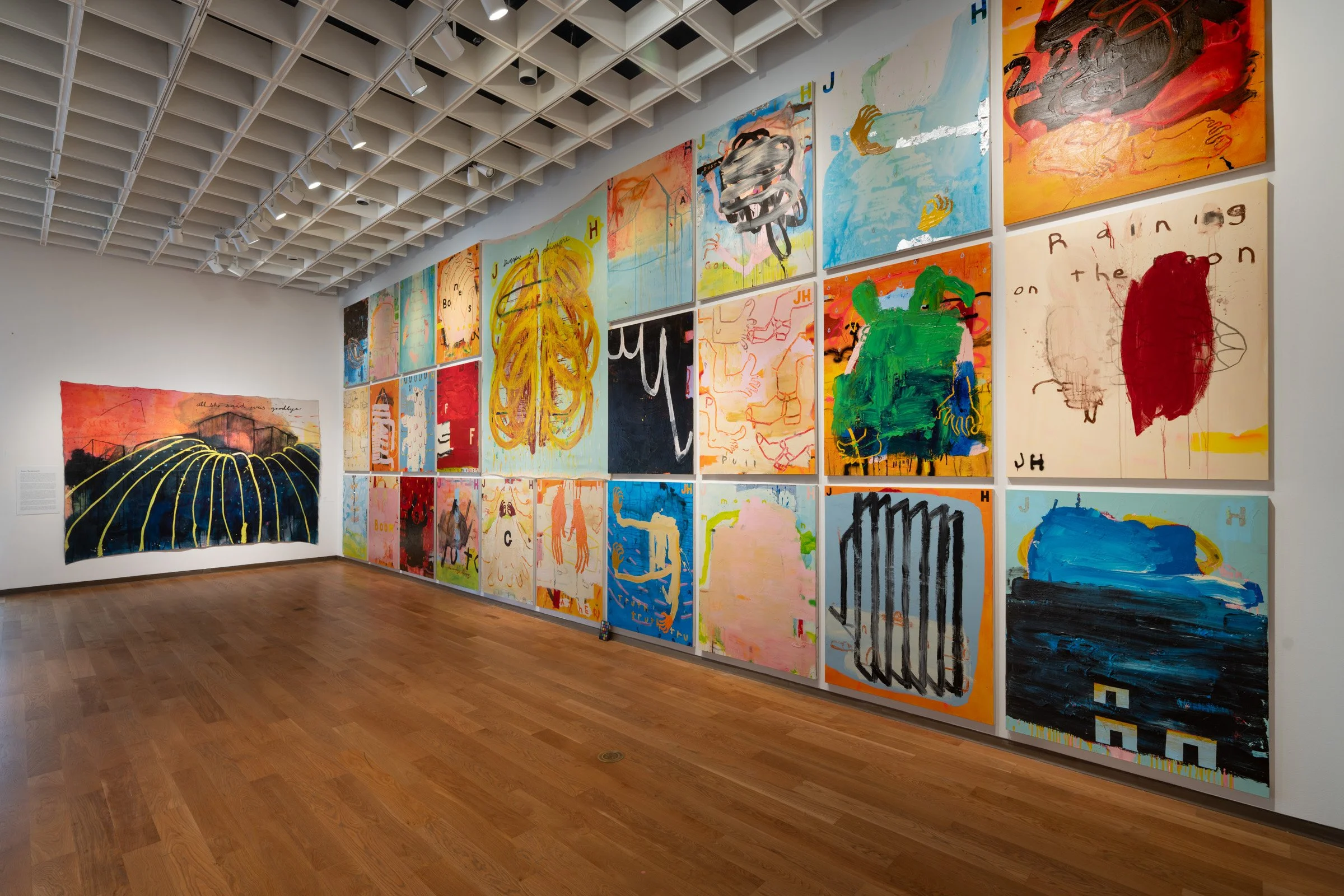
In a bolt of lightning, a volta if you will, the show takes a turn with paintings by Jason Hackenwerth of St. Petersburg, FL. His works possess an extremely urban and in-your-face quality, with its bright colors and raw imagery reminiscent of Pop Art paintings and Hester Street-type artworks that often draw the eyes of art collectors from Miami to New York City. Hackenwerth’s group of paintings were a palate cleanser and excellent passage point to the rest of the prize’s featured artists and their works.
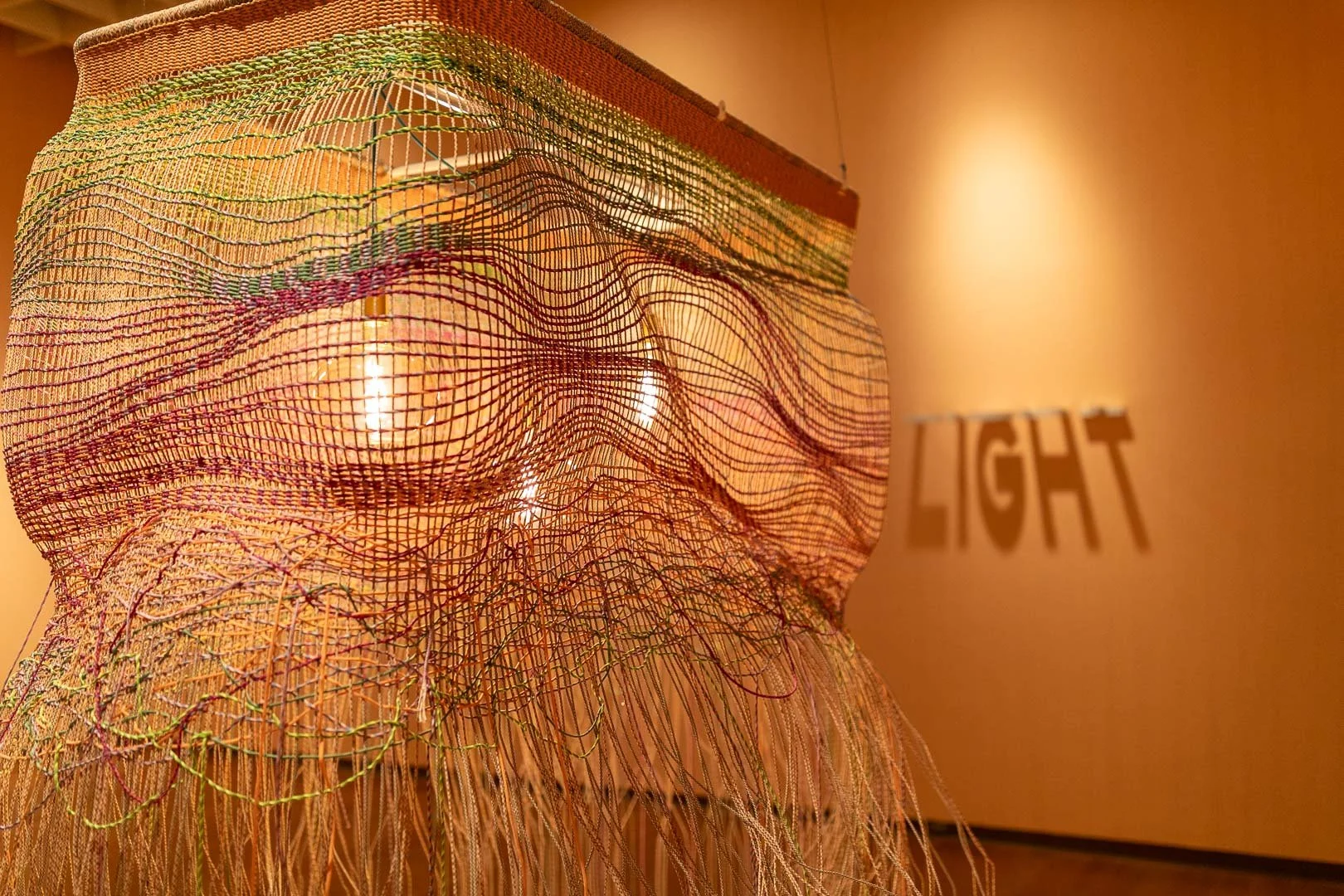
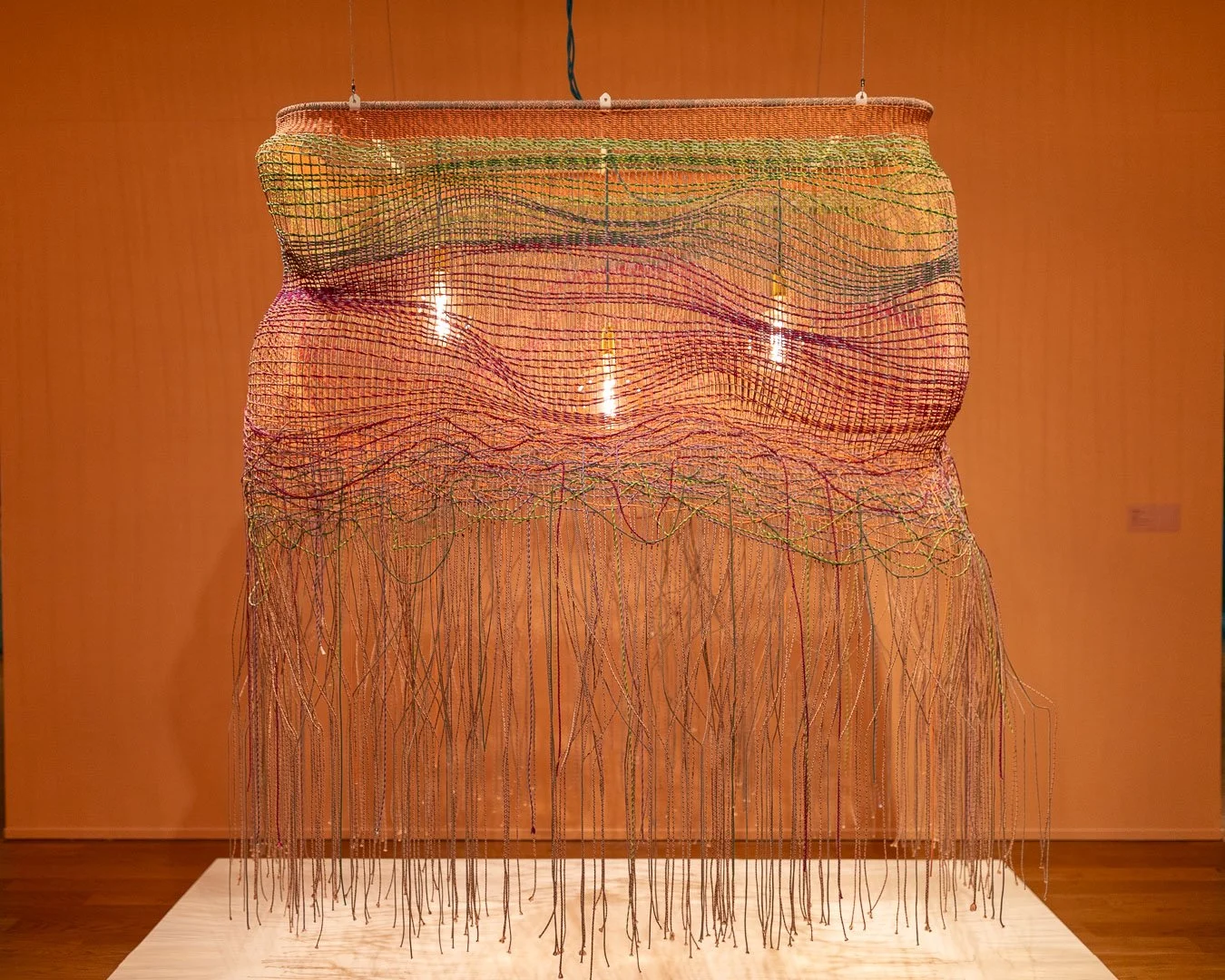
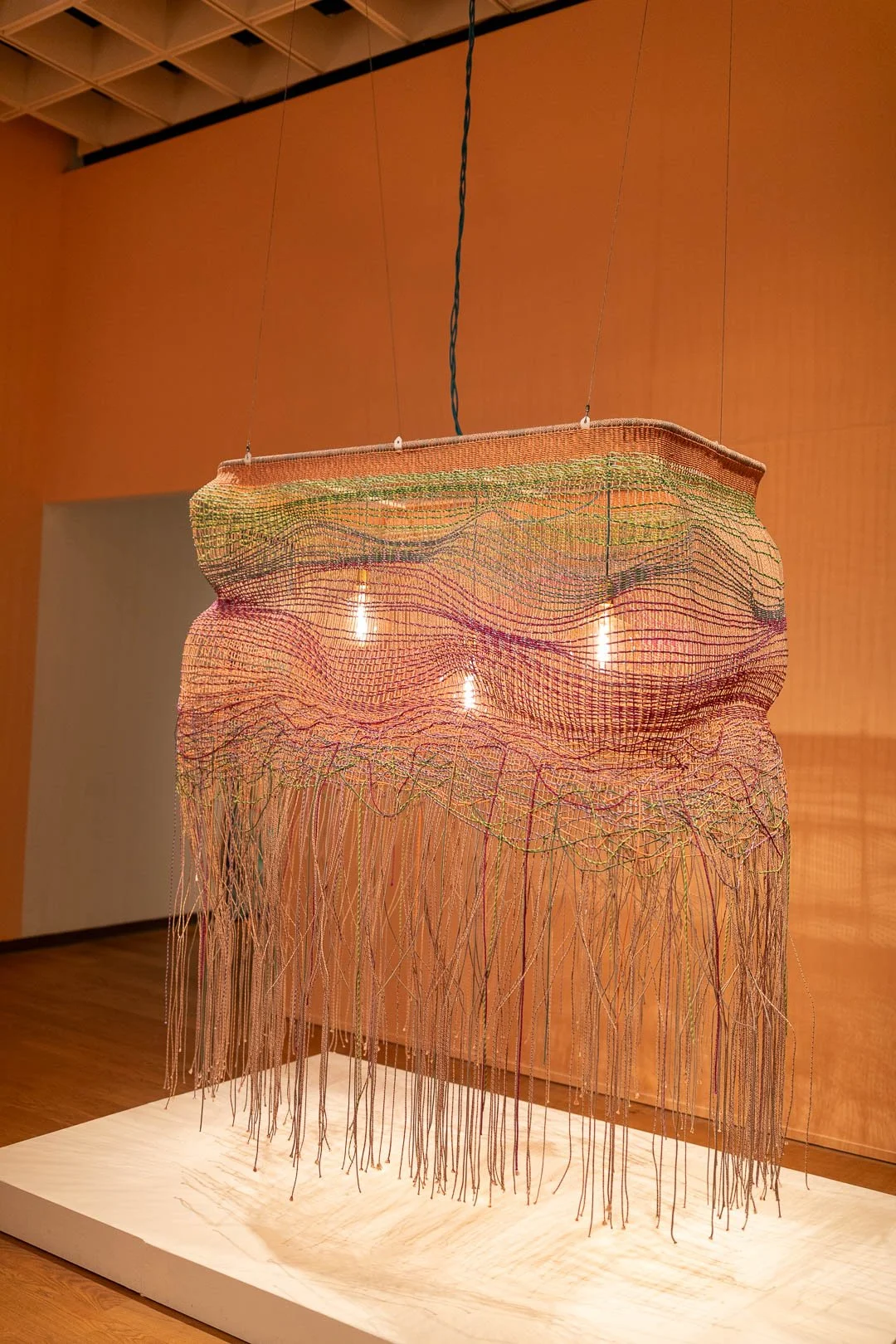
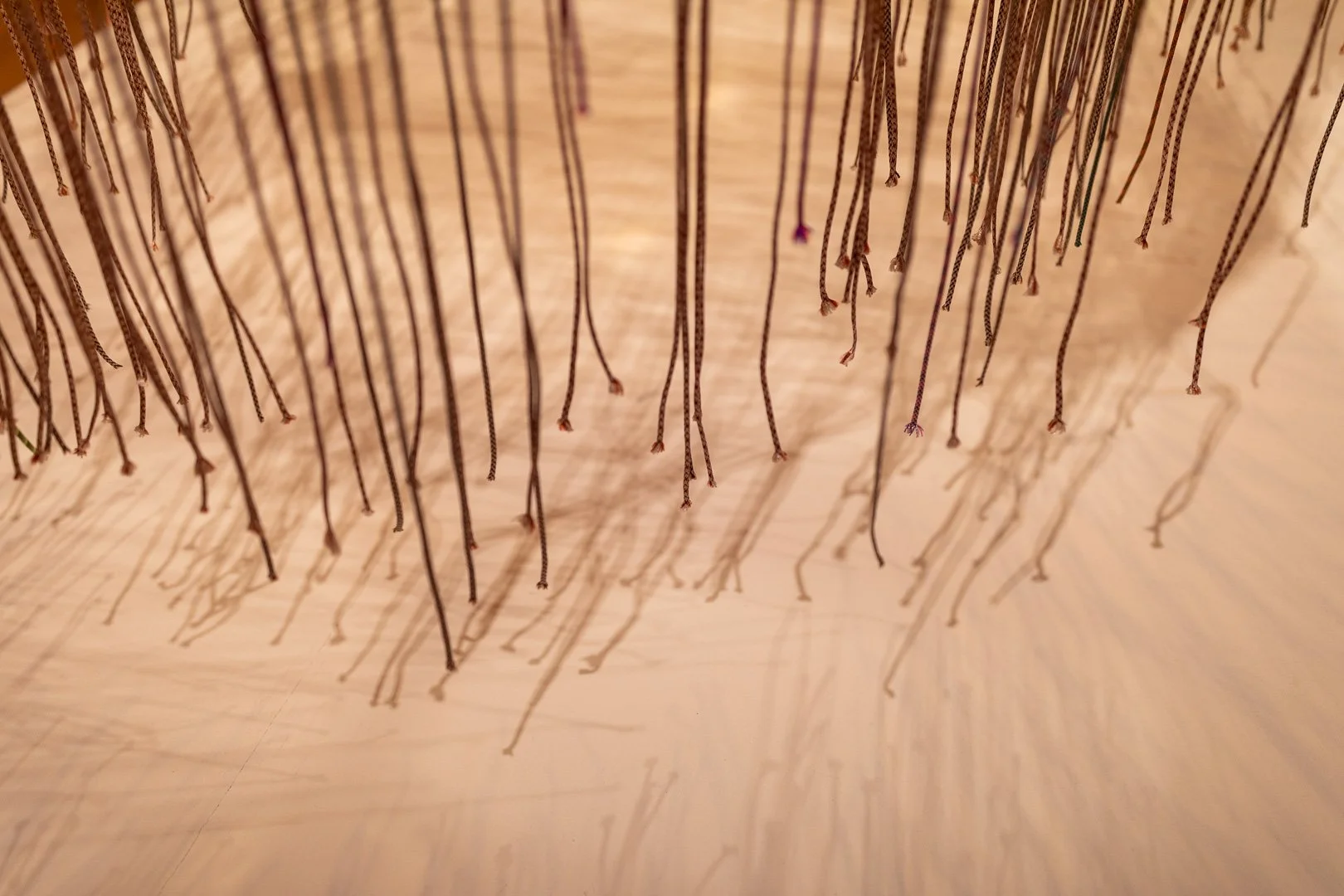
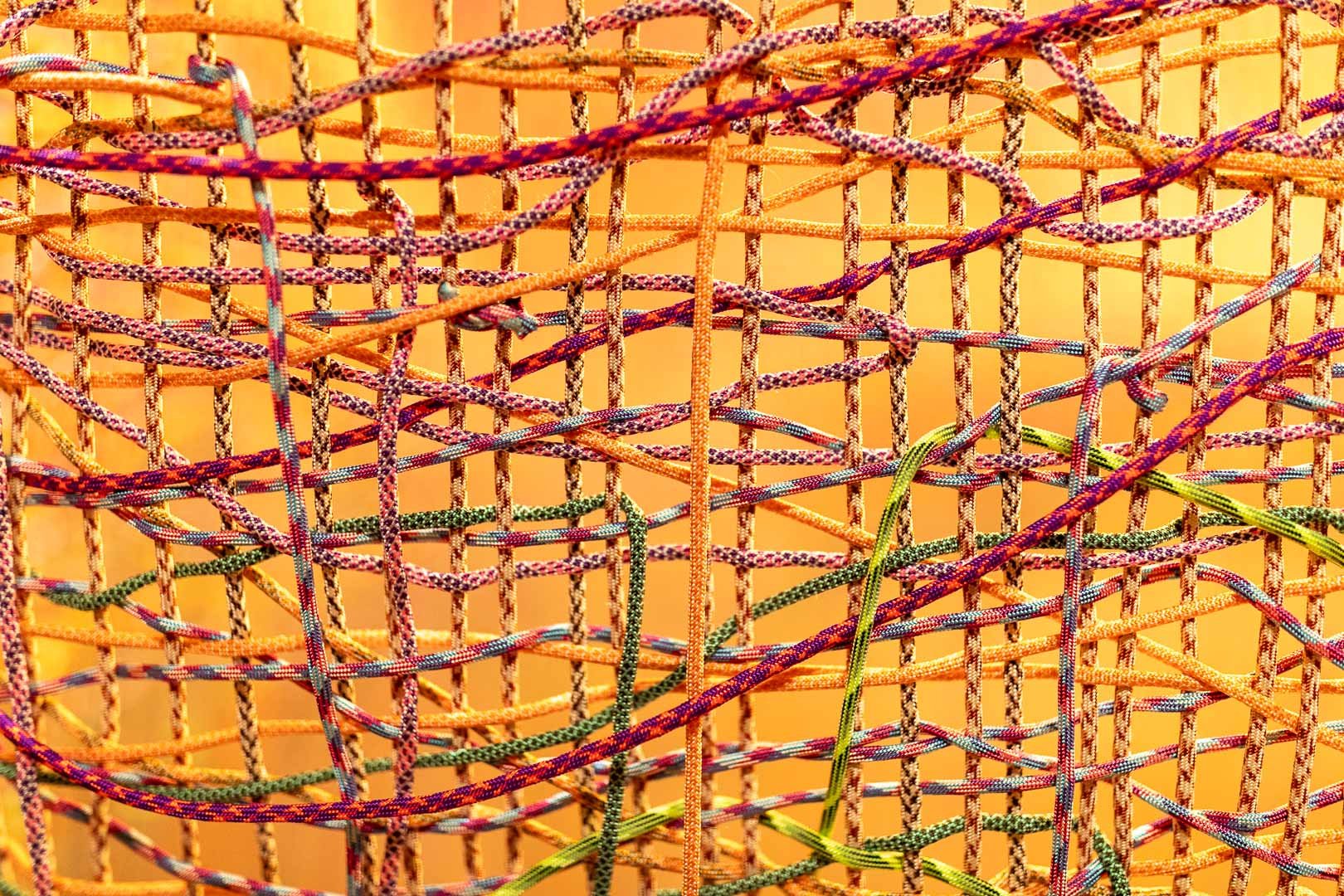
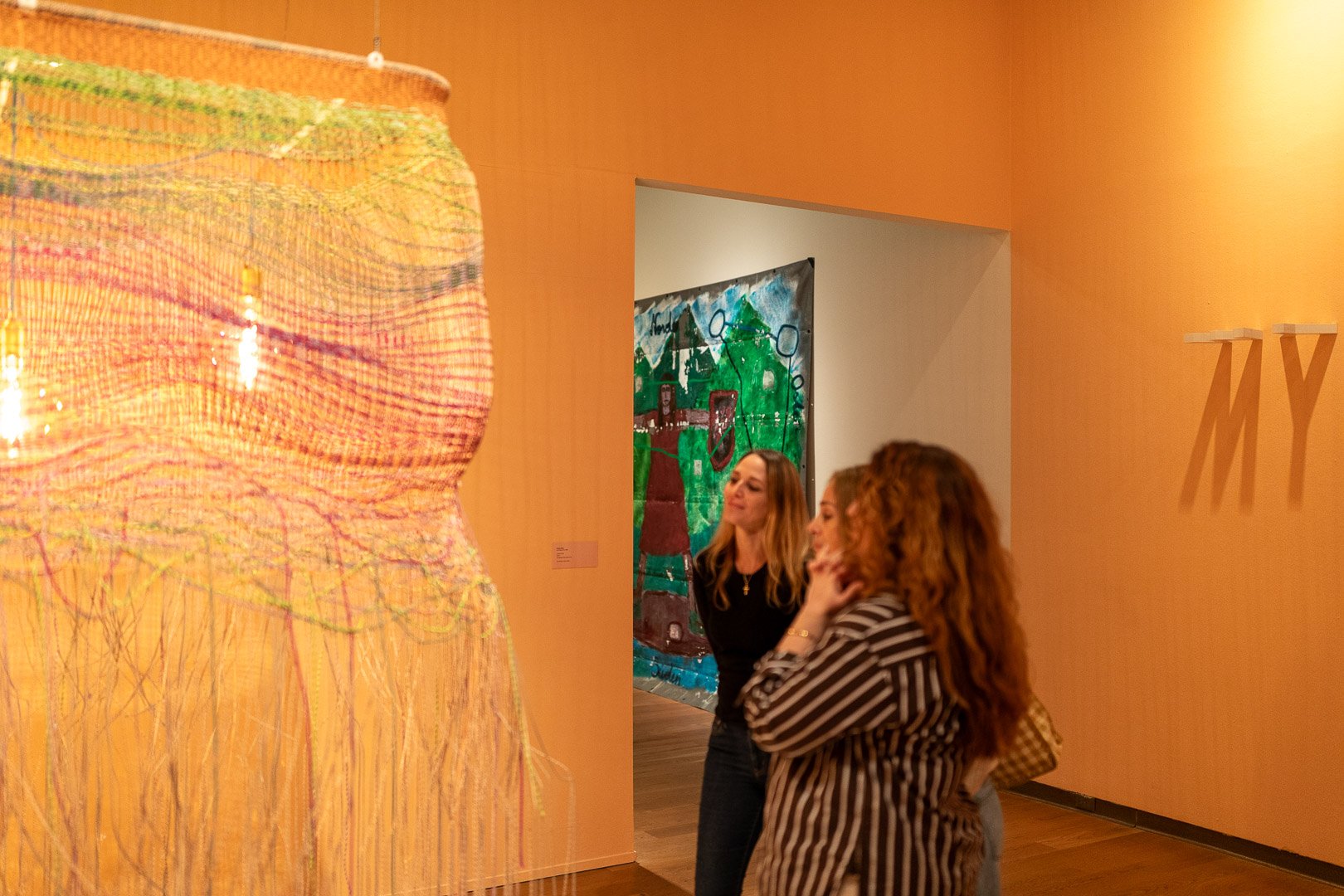
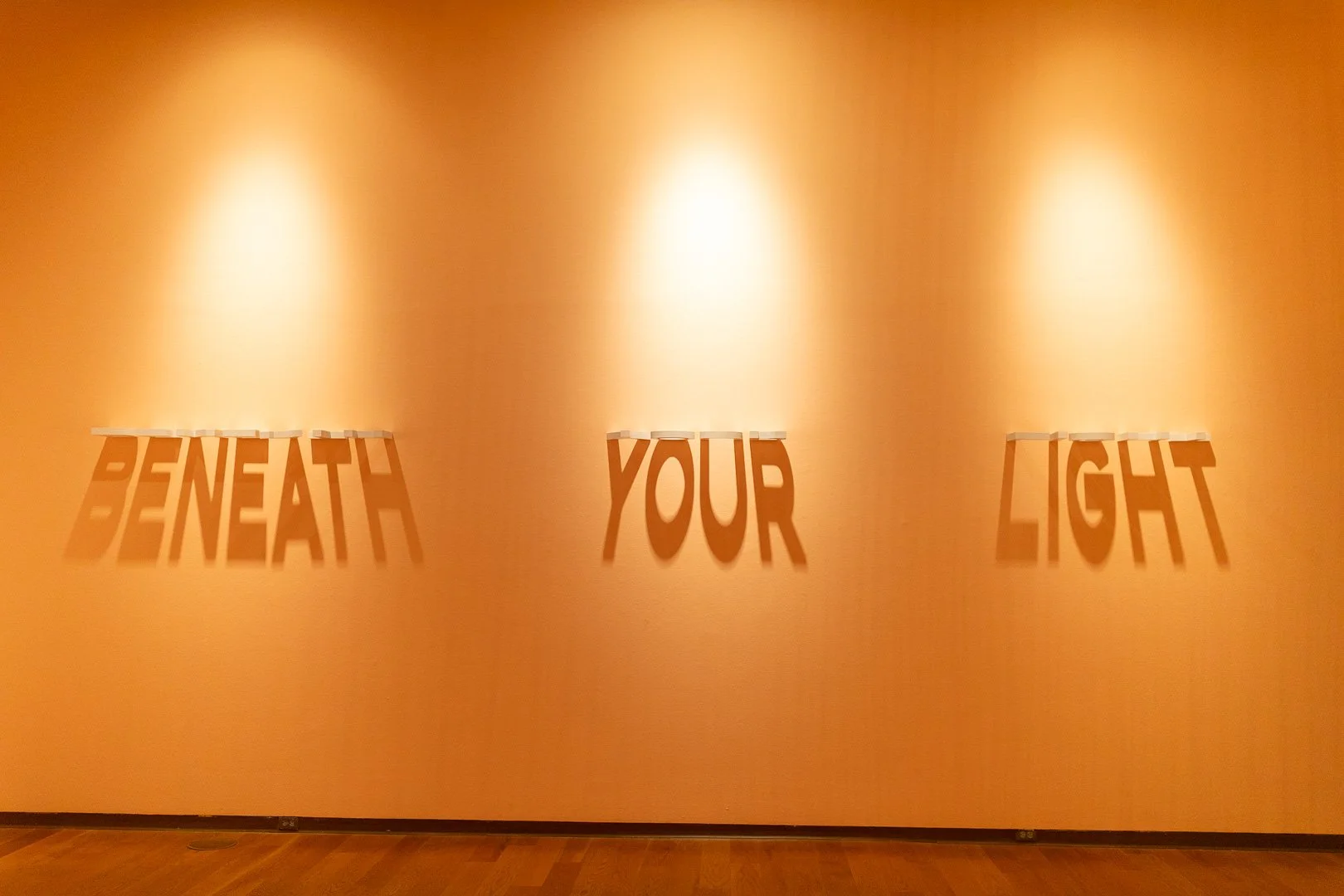
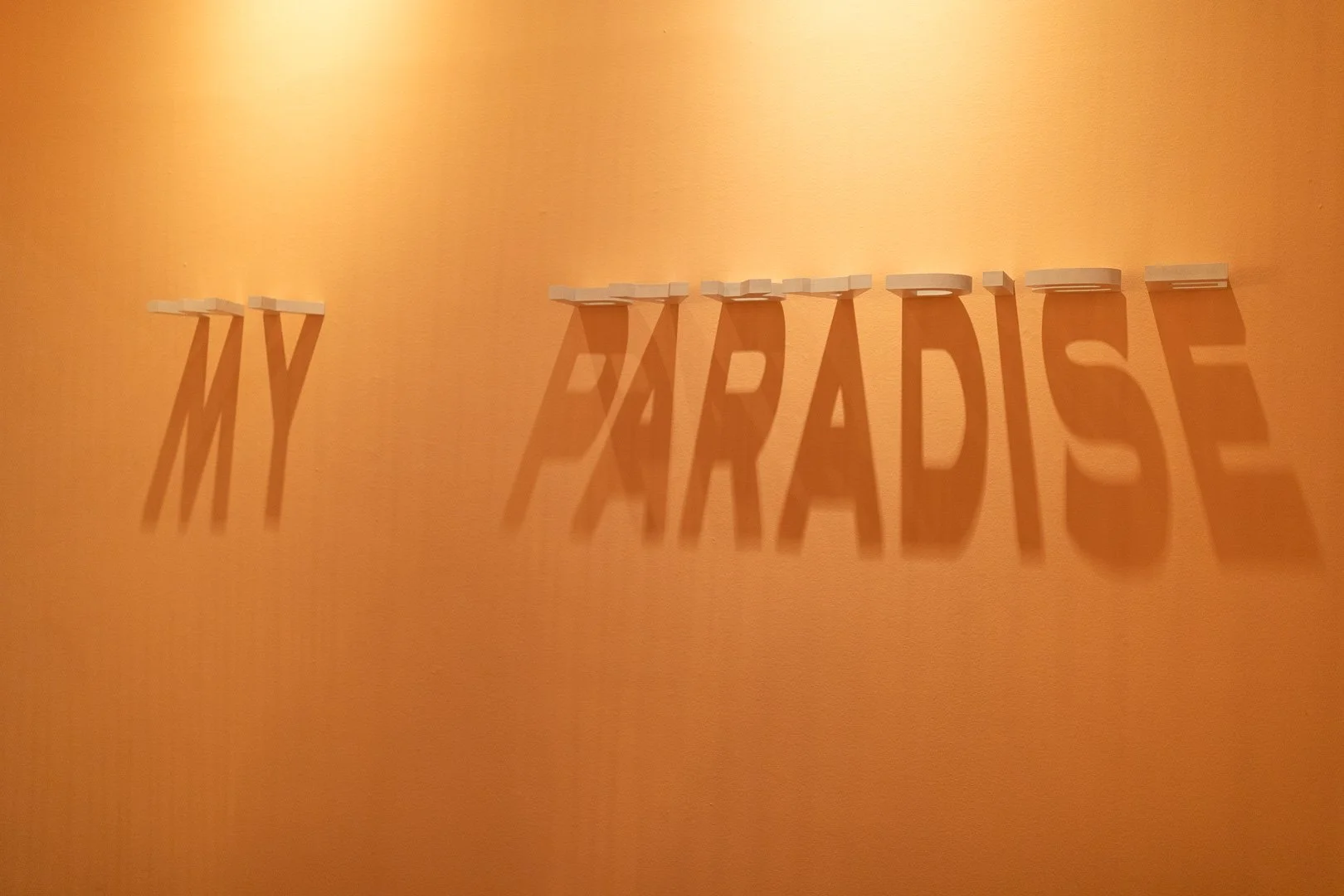
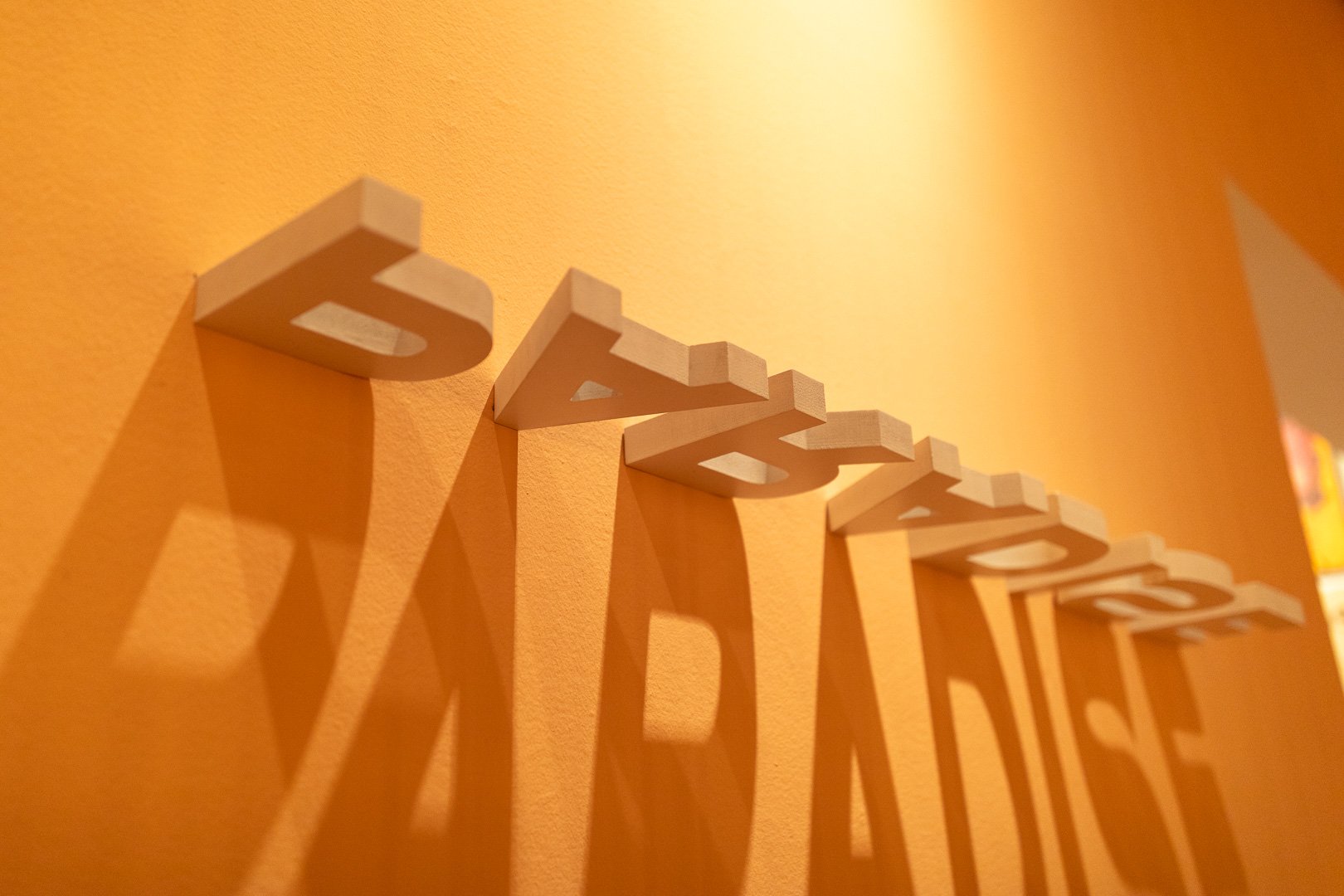
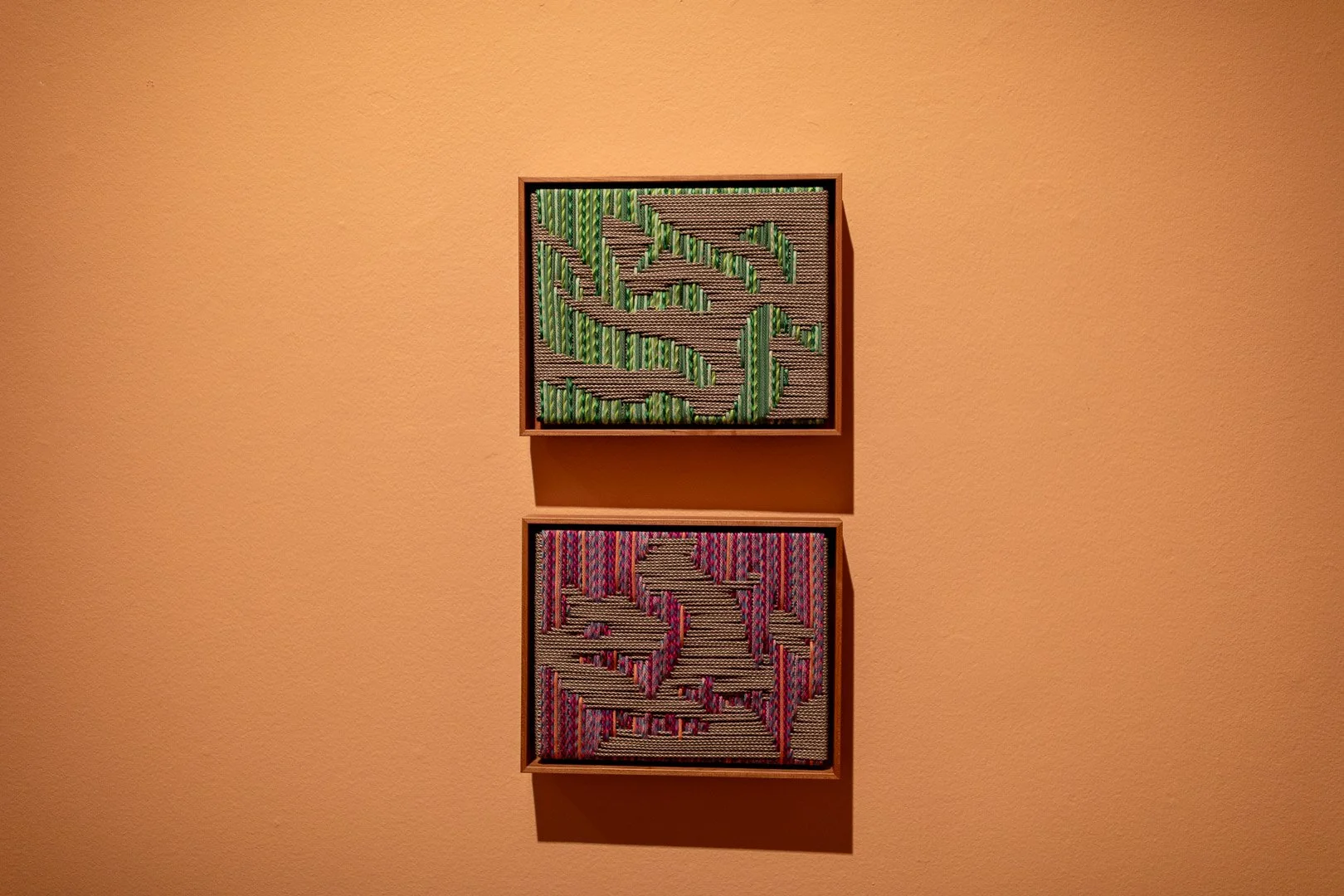
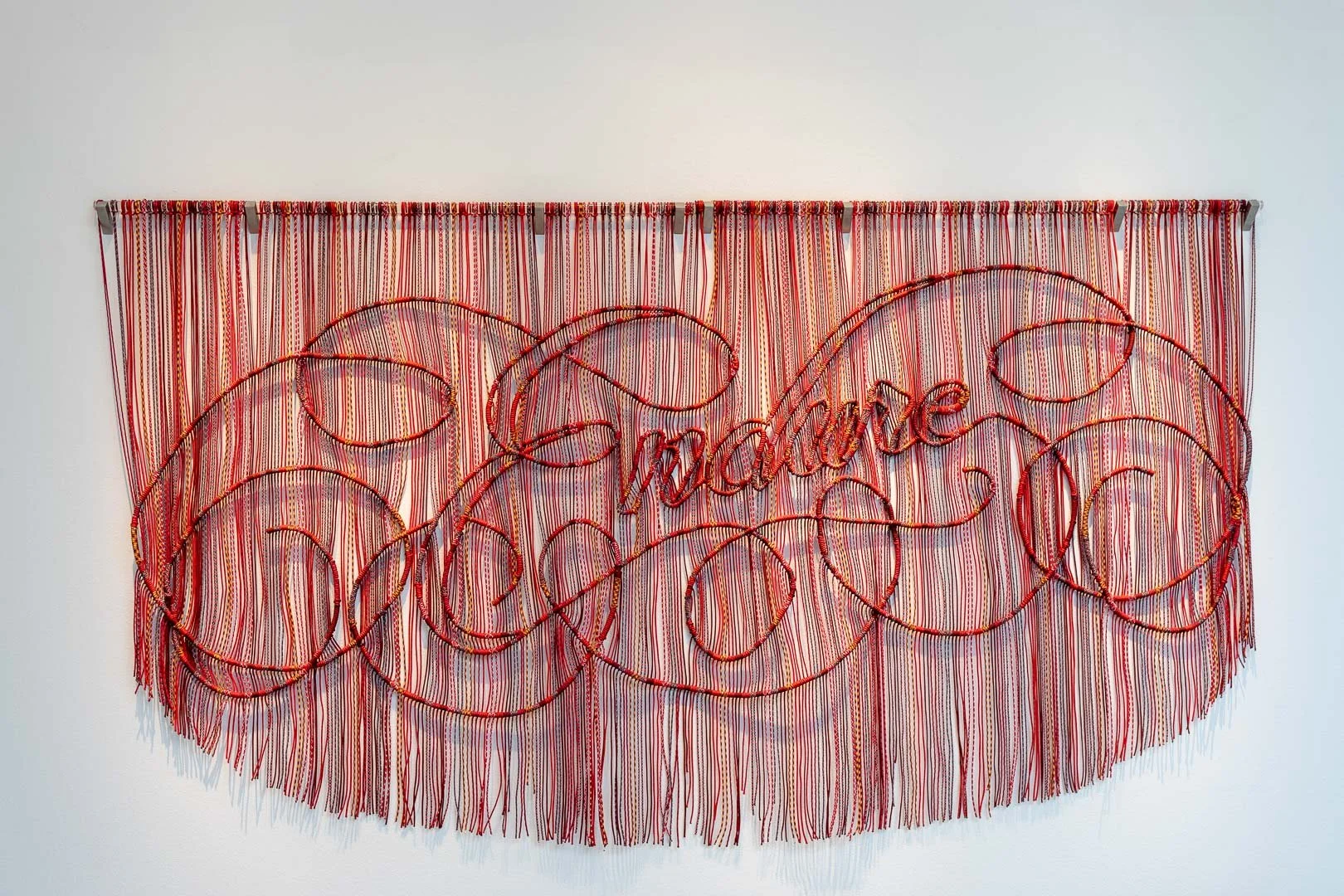
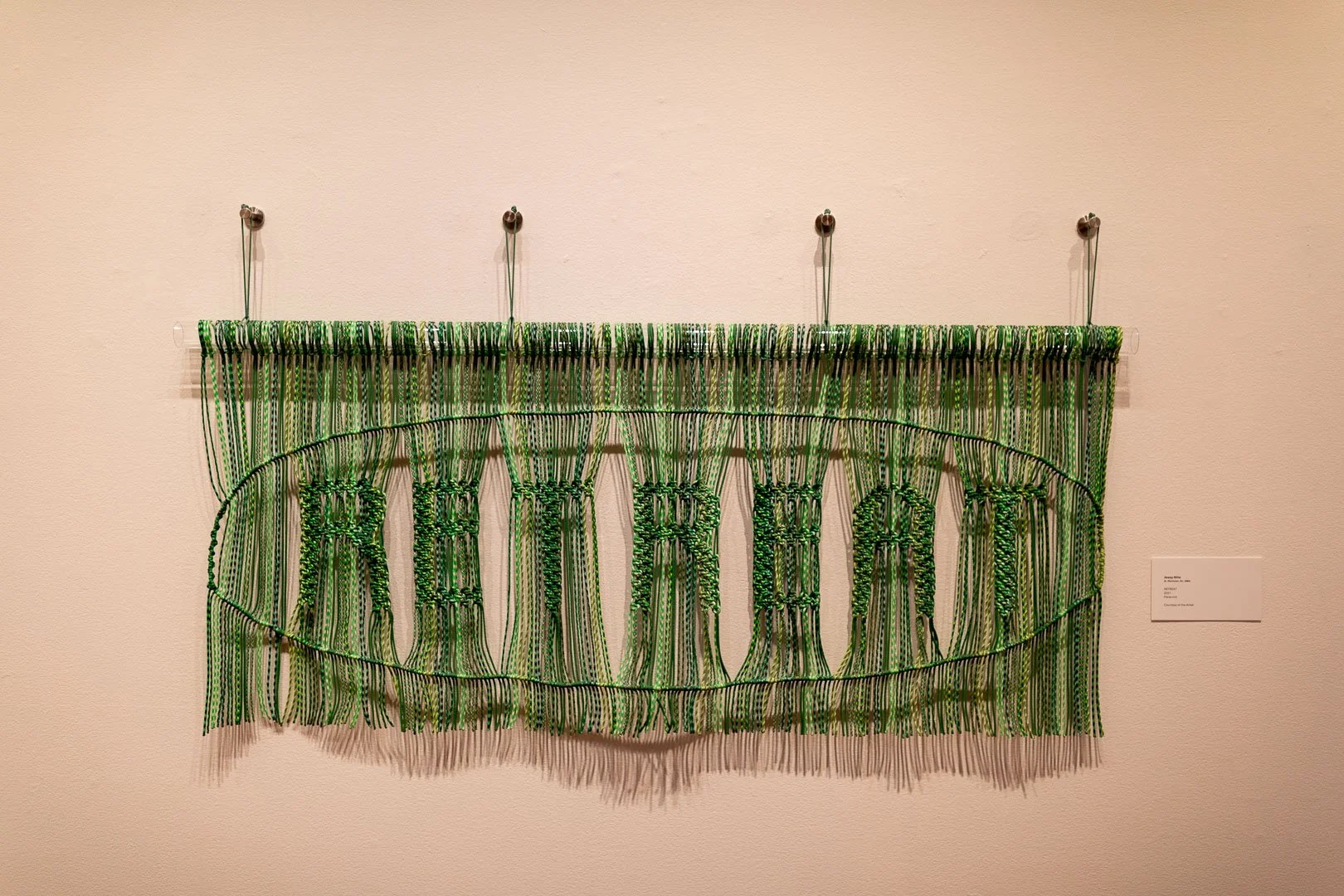
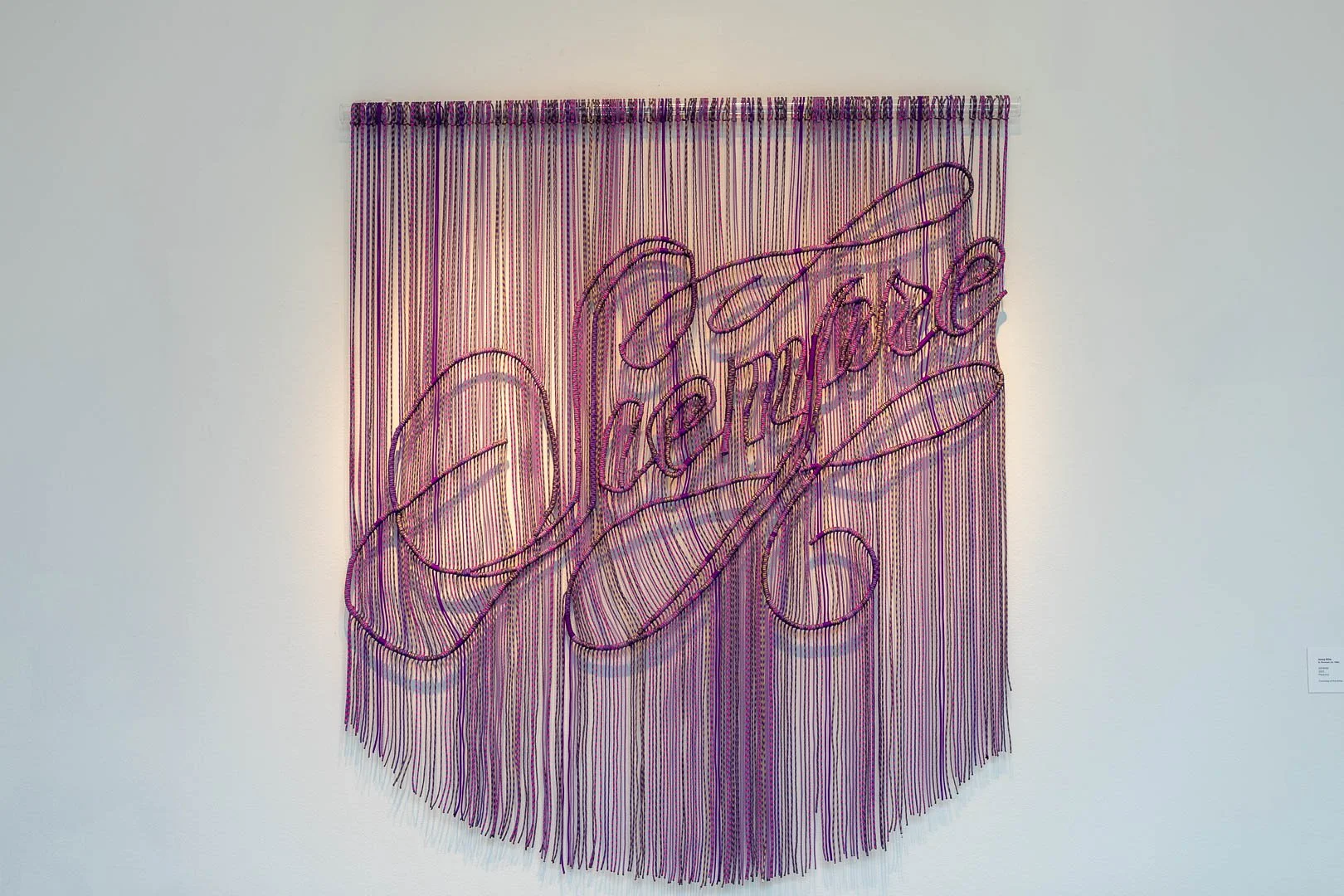
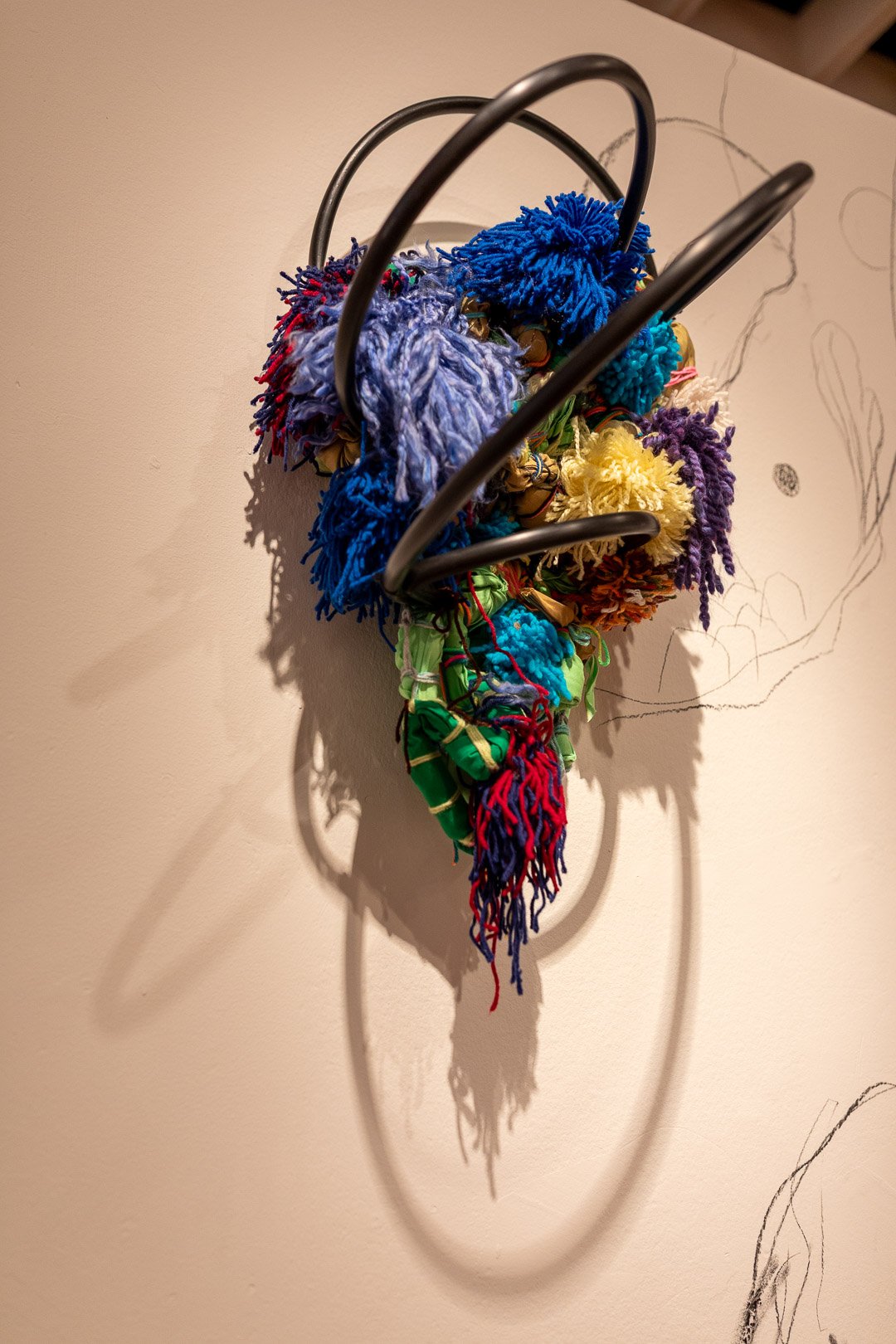
Jessy Nite, with her combination of fiber arts, sculpture, shadow, and light, continues this brief pop of electricity. Using both natural fibers and paracord, a durable and mold-proof pliable synthetic material, Nite creates woven characters and installs them upon walls at an angle. What results are messages imprinted through light and shadow. There are, in certain forms of animism such as the Celts of Ancient Britain, the concept that everything— a leaf, a stone, a coin or a ray of light— communicates with you. Nite, with her woven sculptures and manipulation of light, invites her viewers to engage and contemplate this concept. There is something deliciously inventive in her work that combines minimalist contemporary art with obscure and ancient worldviews.
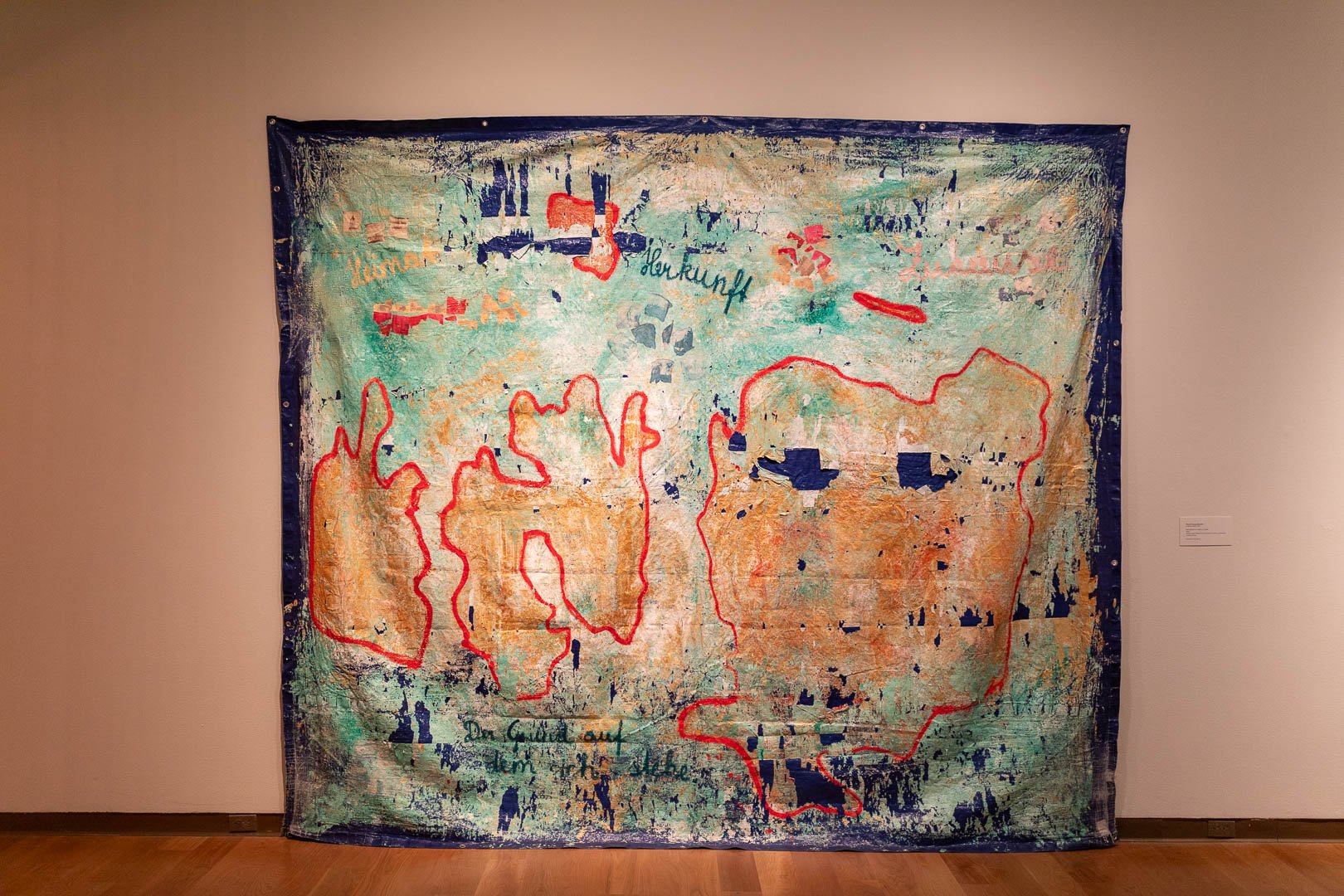
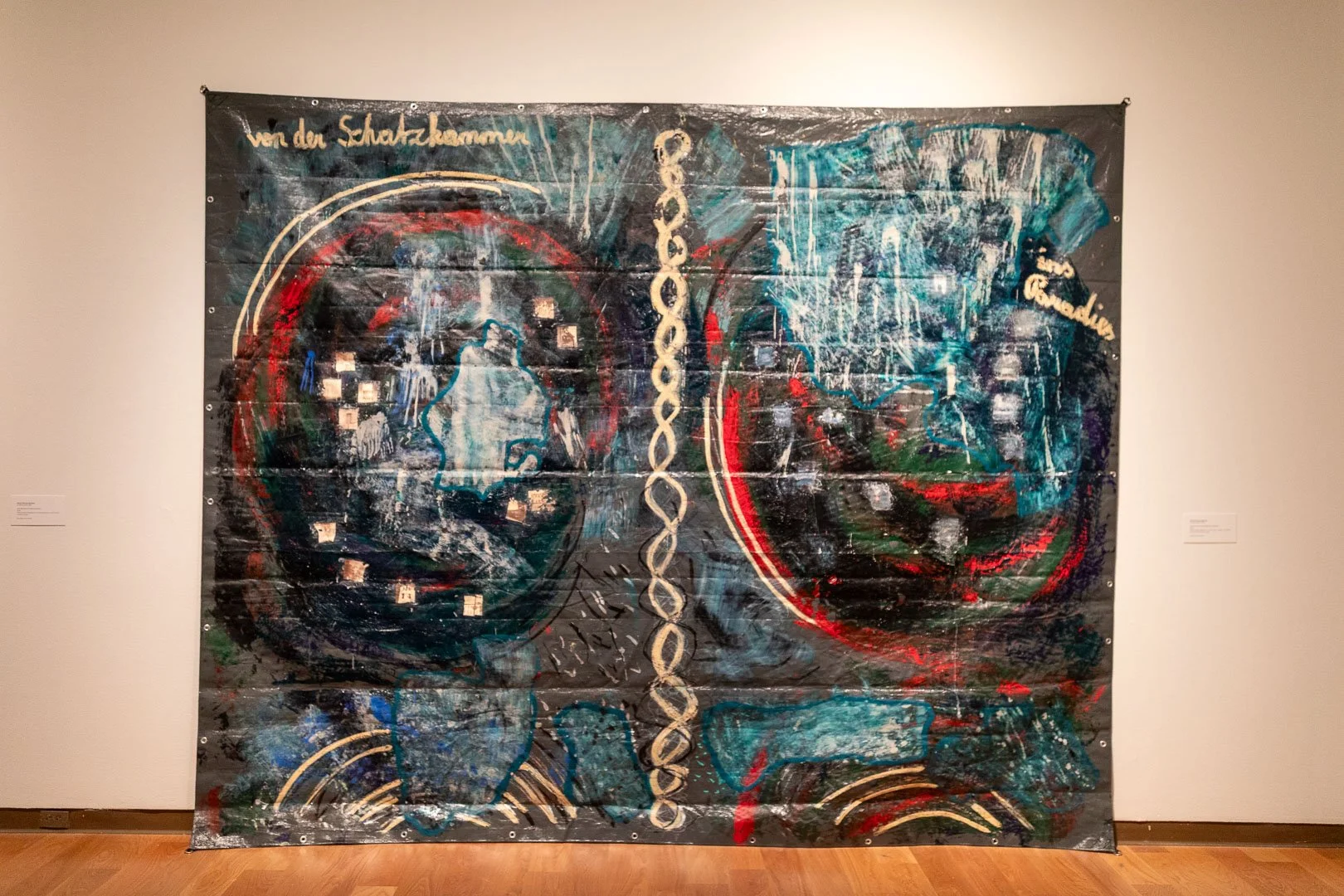
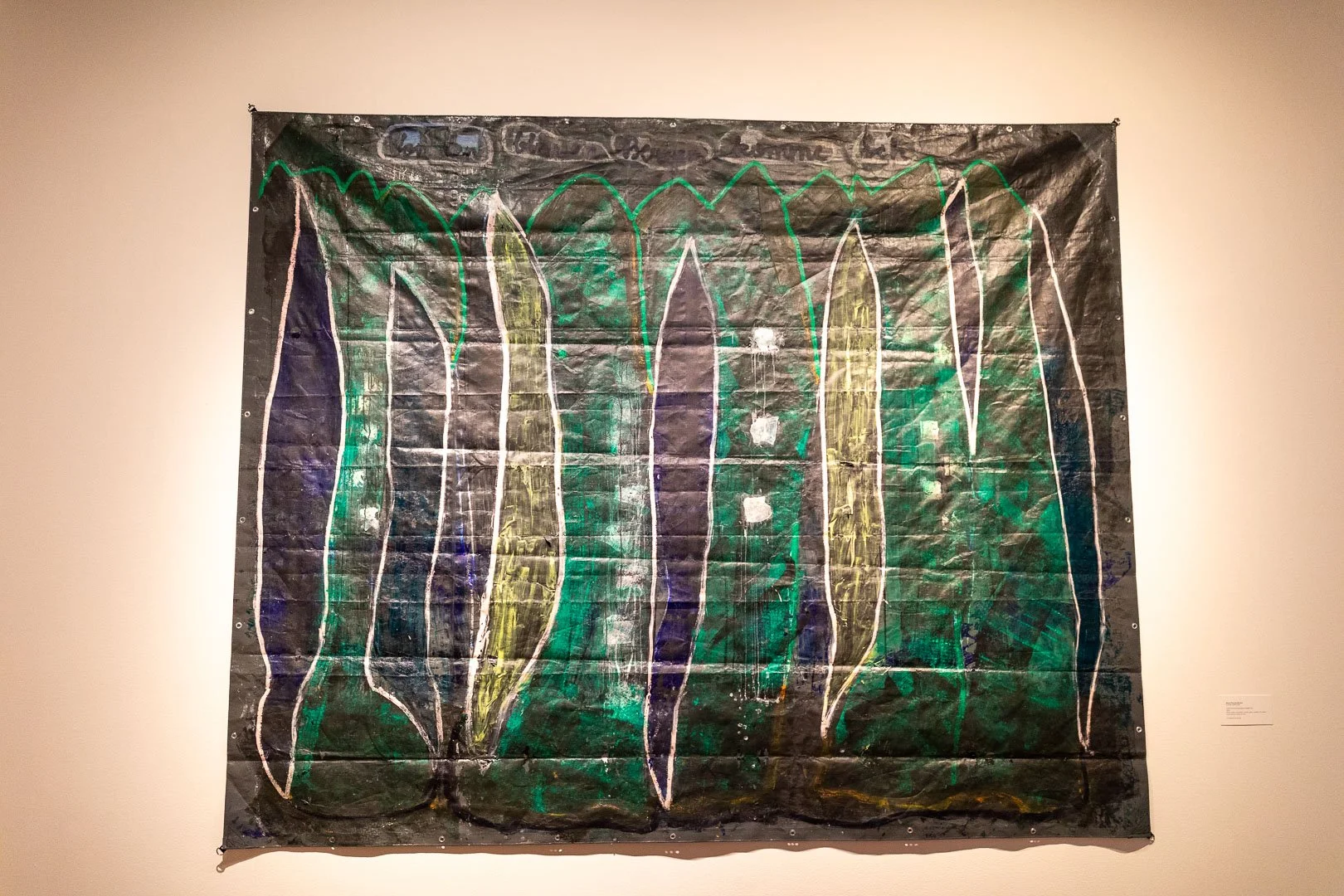
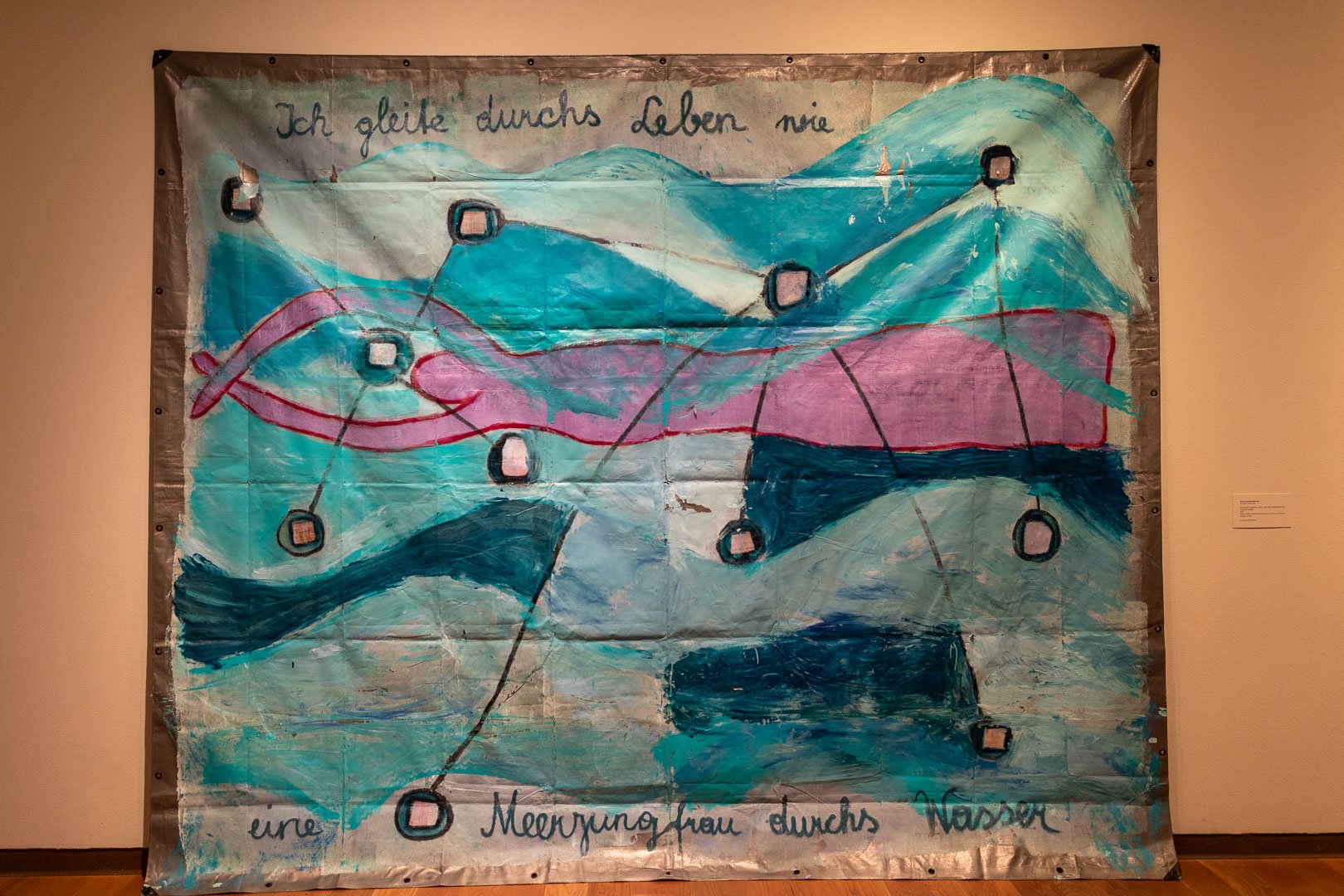
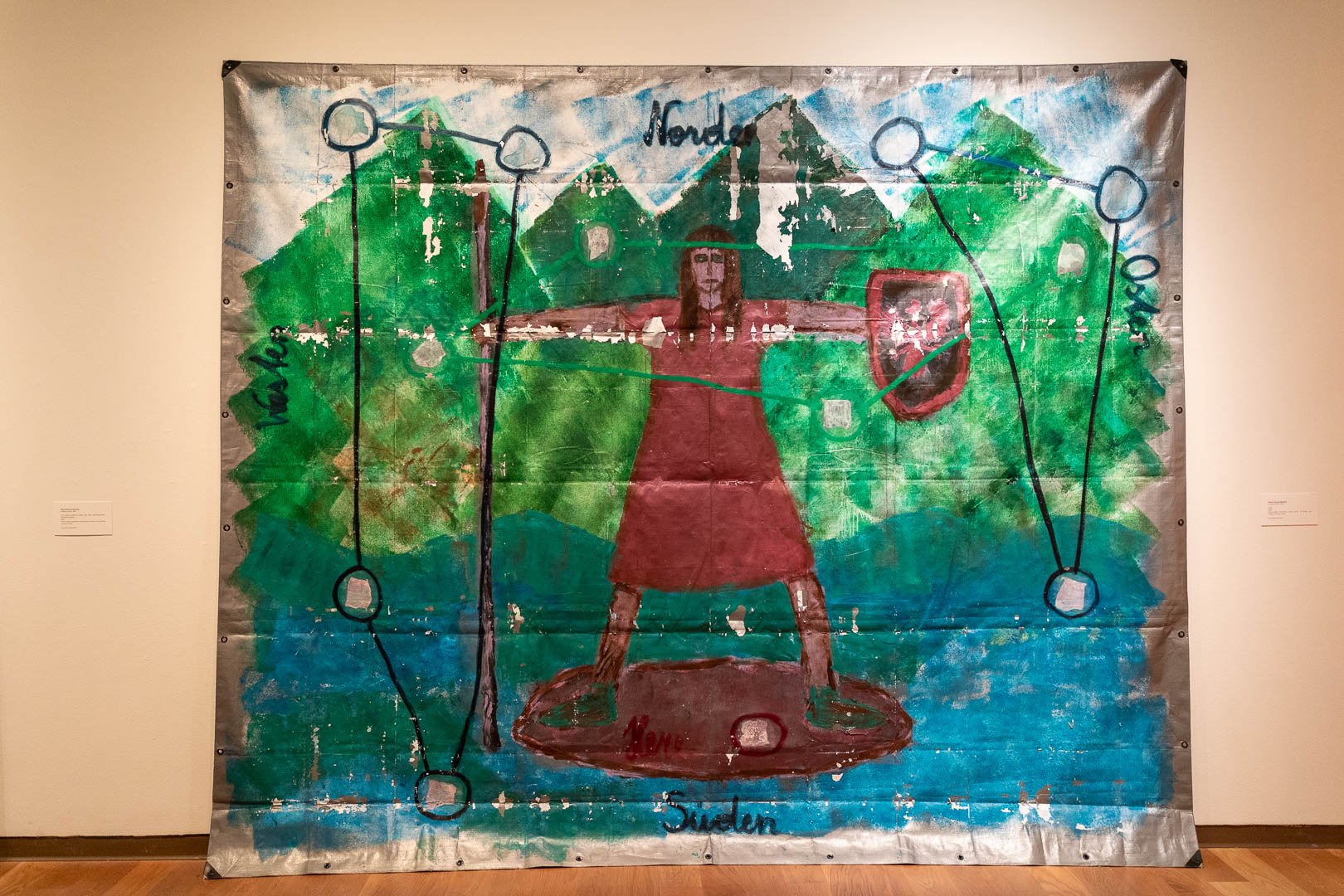
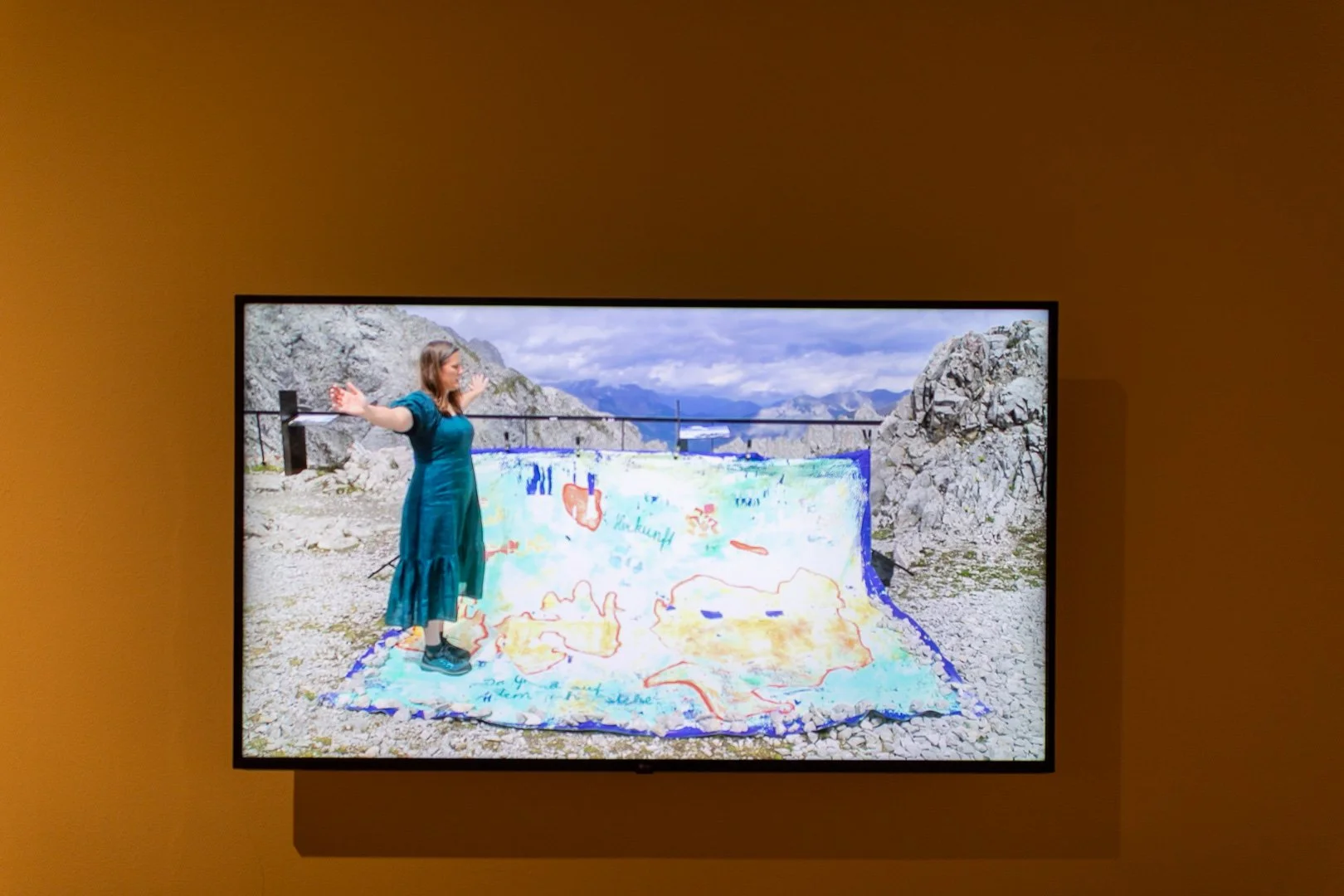
Continuing this conversation on earthly delights is Maria Therese Barbist, from Tyrol, Austria and currently living and working in Miami. She spent her childhood in Alpine environments in the Tyrolean Mountains, a place imbued with the rich and tumultuous history of Western Europe. Barbist holds a PhD in Psychology and uses movement-based art therapy that focuses on releasing trauma. Her artworks in Der Grund Auf Dem Ich Stehe (The Ground on Which I Stand) takes on the emotional toll of being away from one’s homeland for so long and the double-edged conundrum of having one’s identity be replaced by another. Barbist expresses these through various media such as polaroids, paint and oil crayons applied on tarpaulin, which is sturdy and non-absorbent. Hence, the photos, paint, and wax slowly peel away, highlighting the nature of human transience and the impermanence of memory and experience. Everything fades away under the sun. At the foreground, or final layer, are the terms Grund (ground) and Abgrund (abyss). While phonetically similar, the two terms have different connotations. For Barbist, the abyss is what the ground— everything held familiar and dear— becomes once it gives way, when “what should carry us no longer does.” Seen in a positive light, this means that the abyss isn’t necessarily a horrible and alienating place or state of being. It still has parts of the same ground that had once been stable, familiar, and nurturing. In the same light, a person who has been broken by trauma and pain is still themselves. Recovery and restoration is only a question of how much time is given and space held for those who need it.
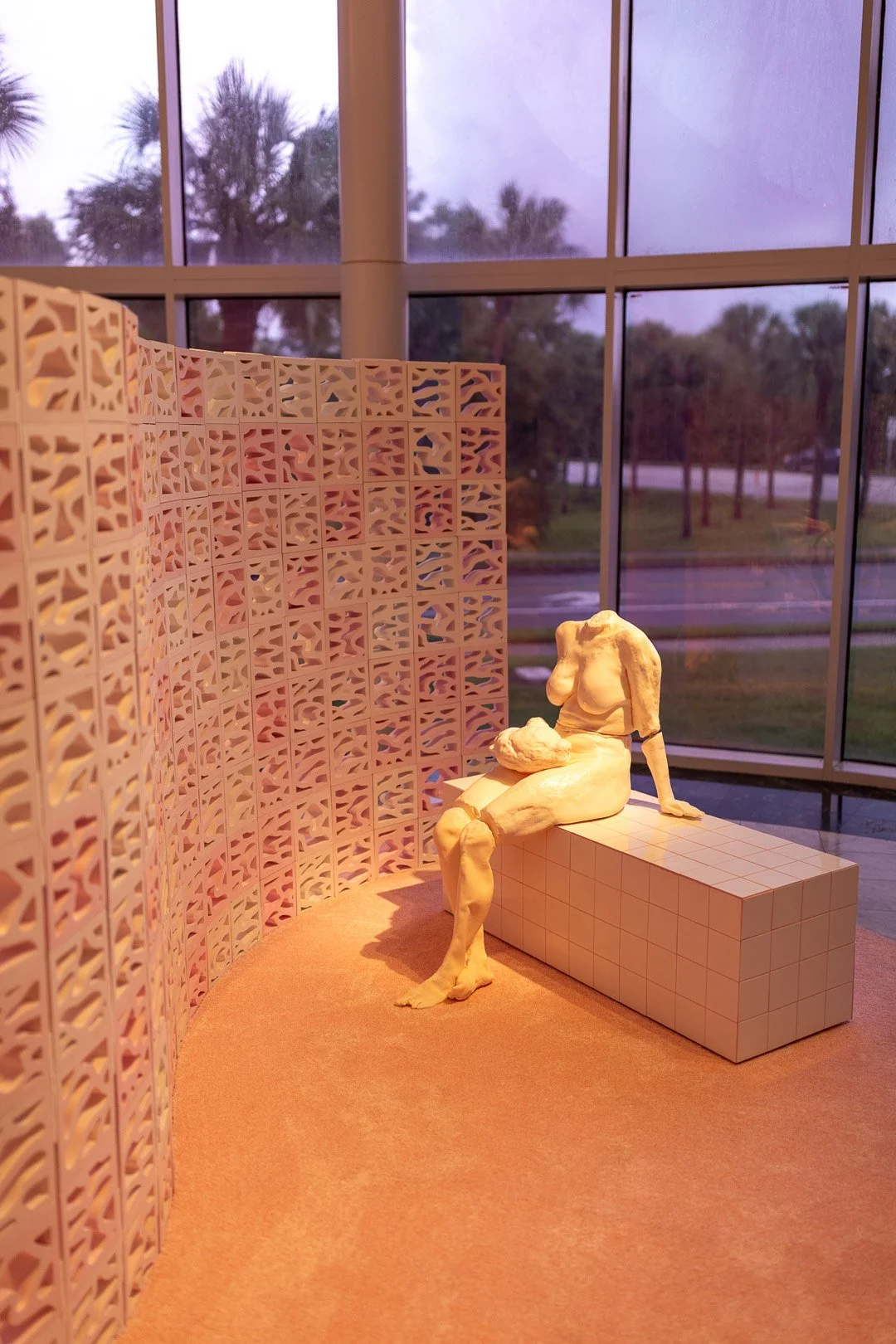
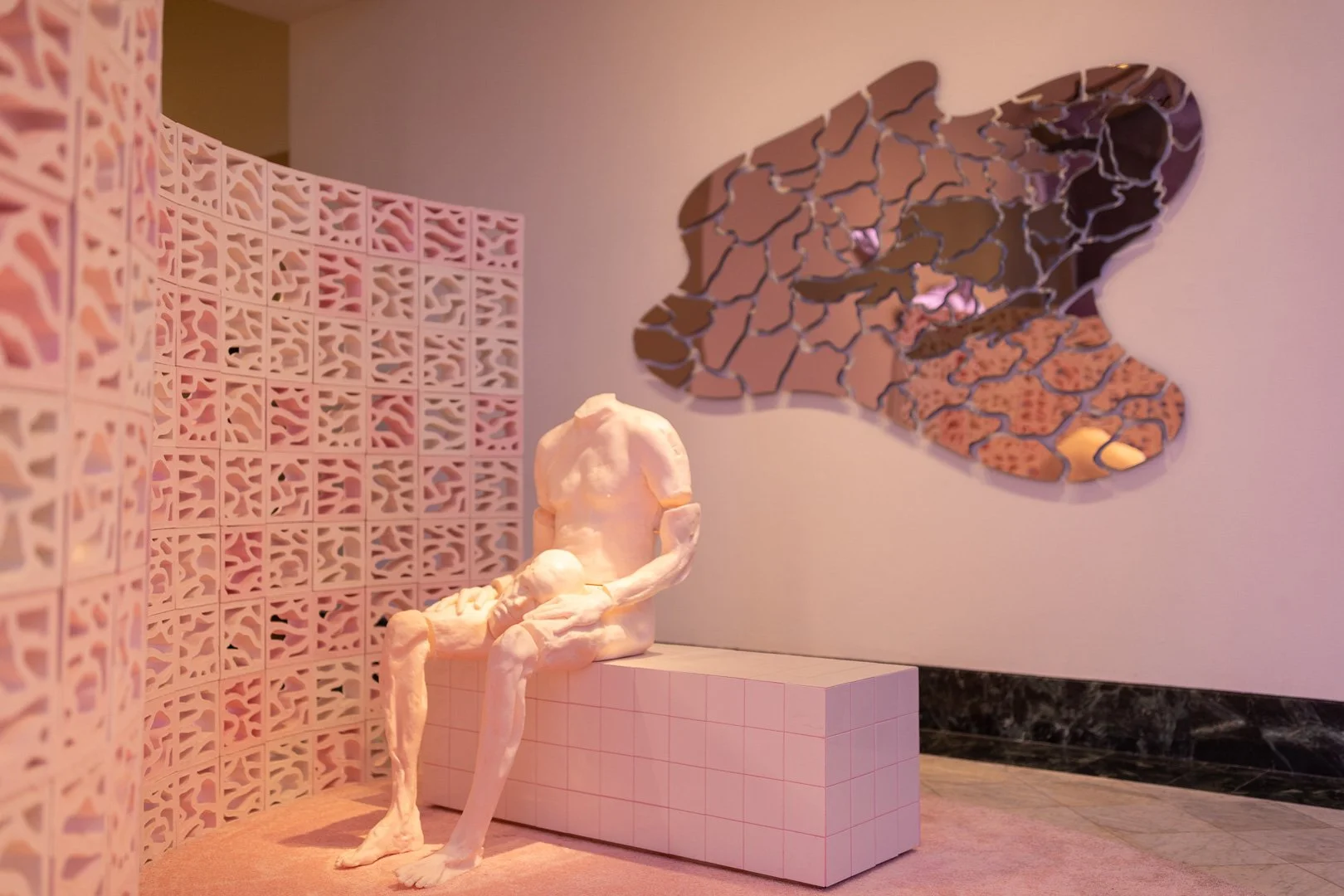
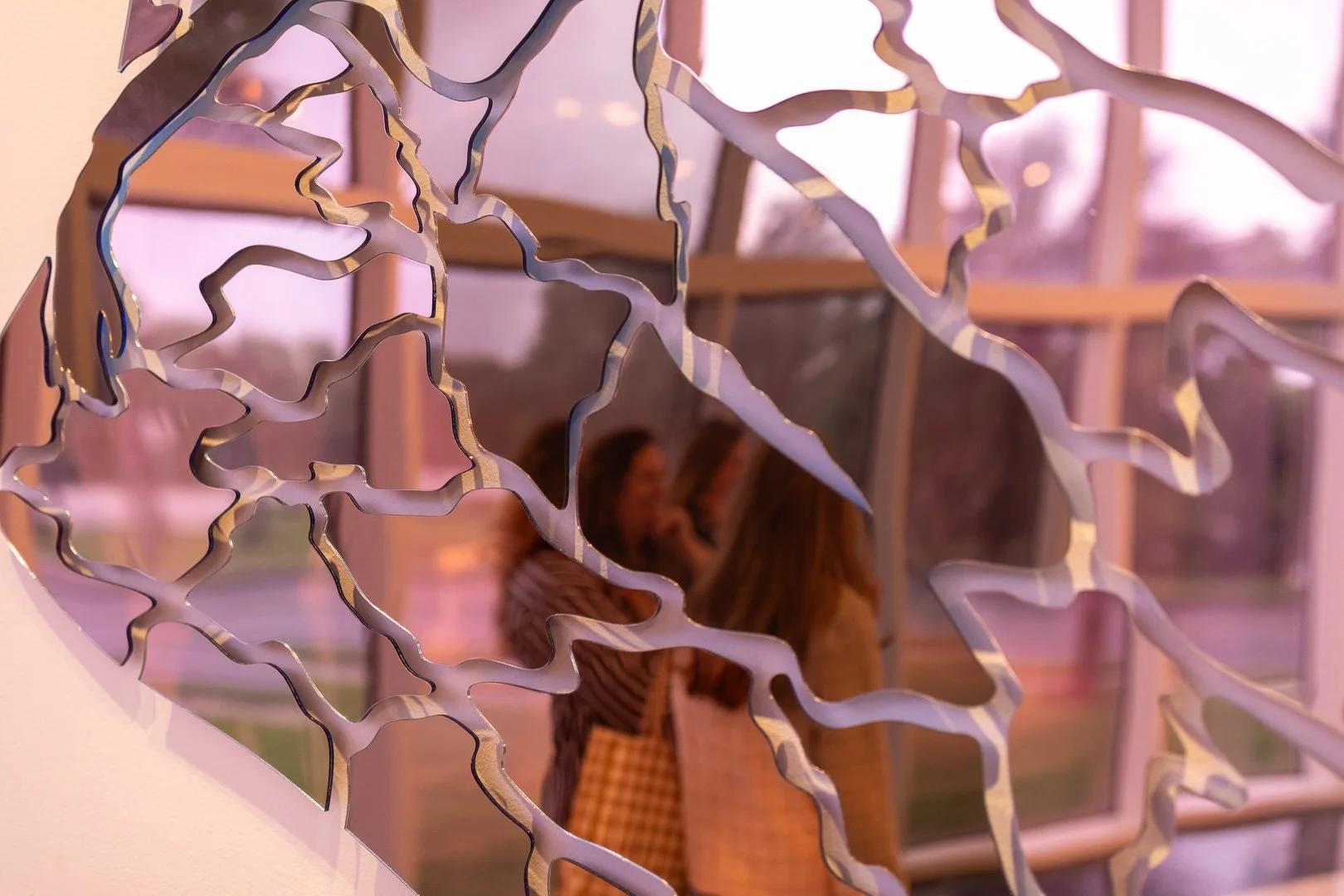
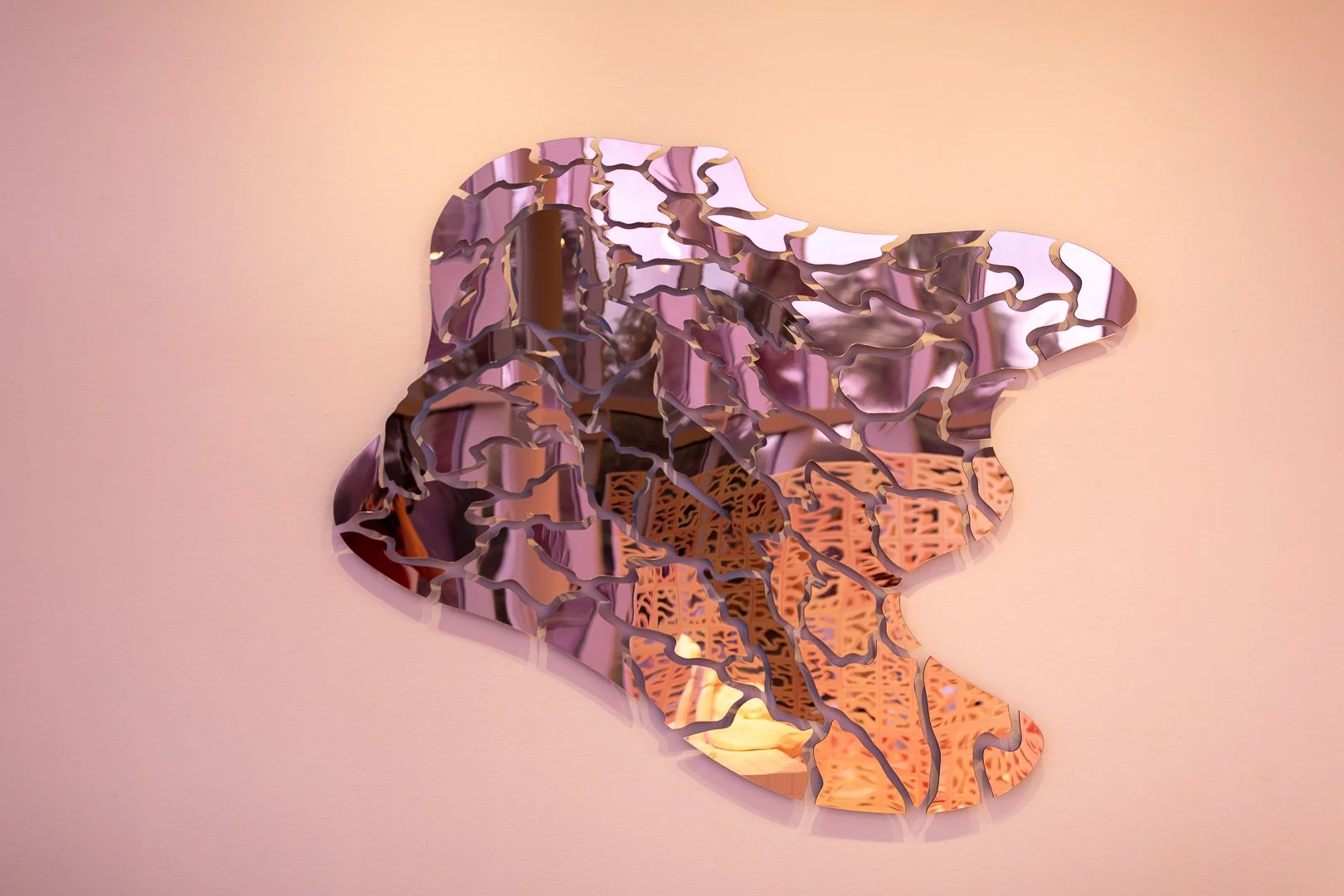
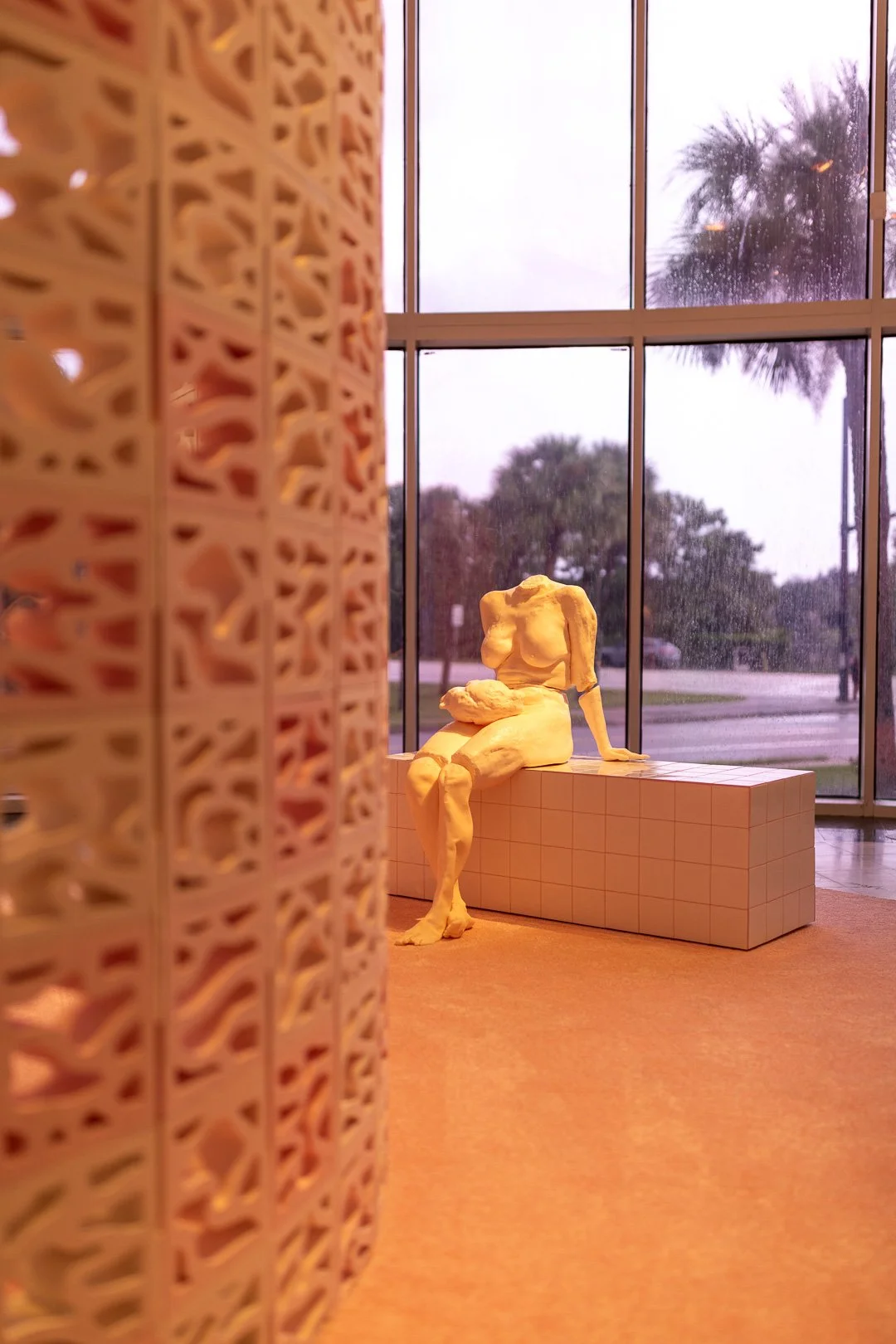
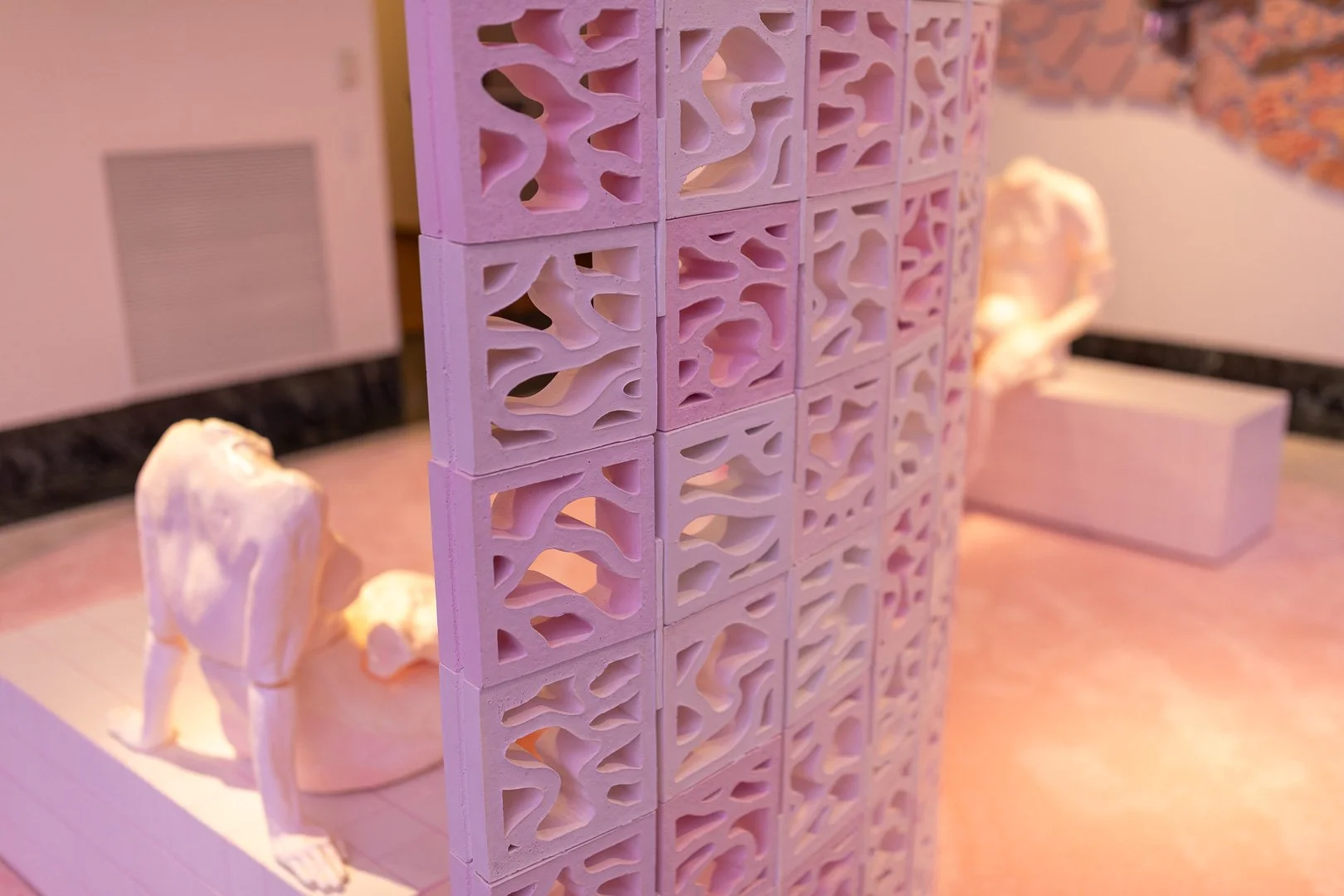
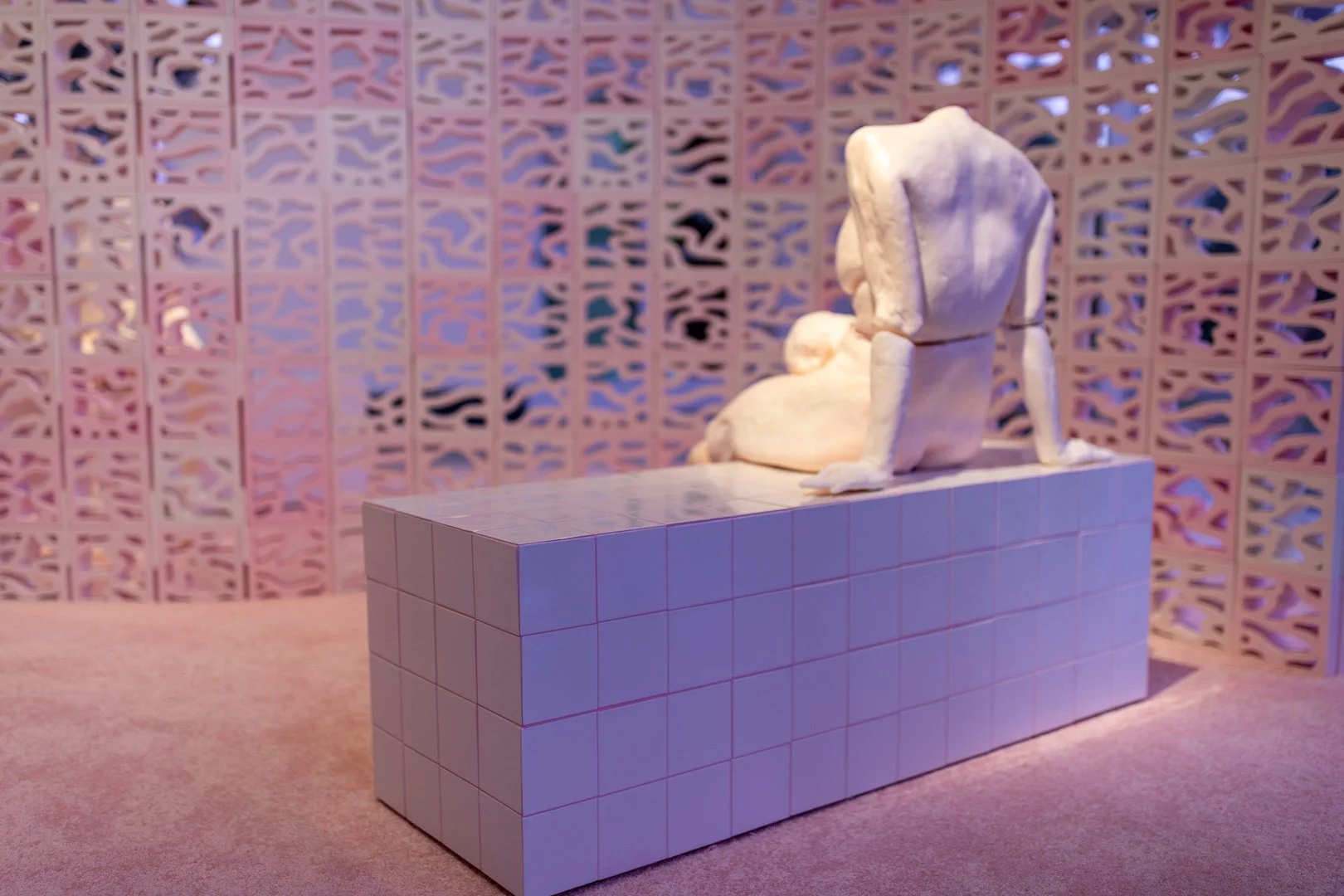
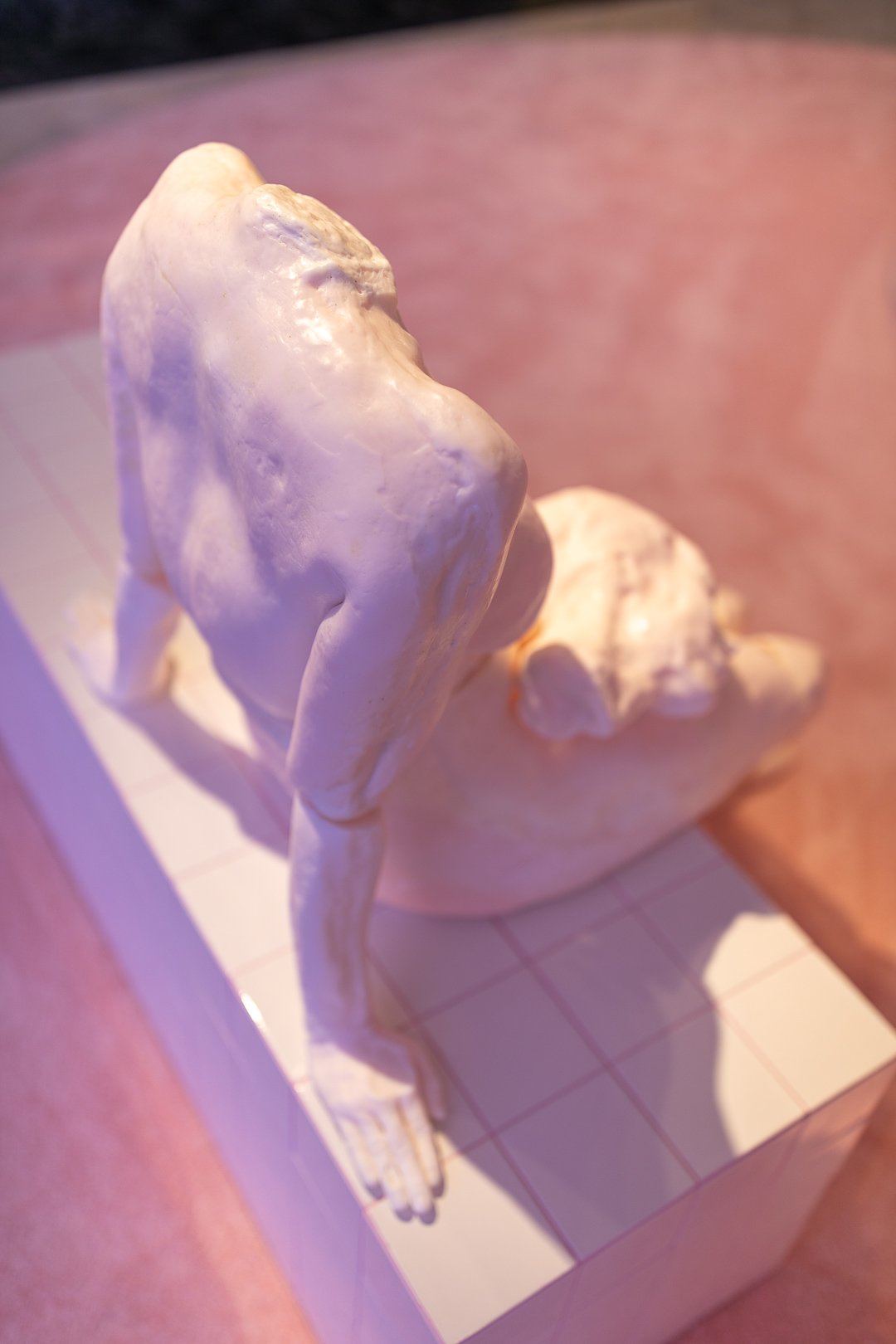
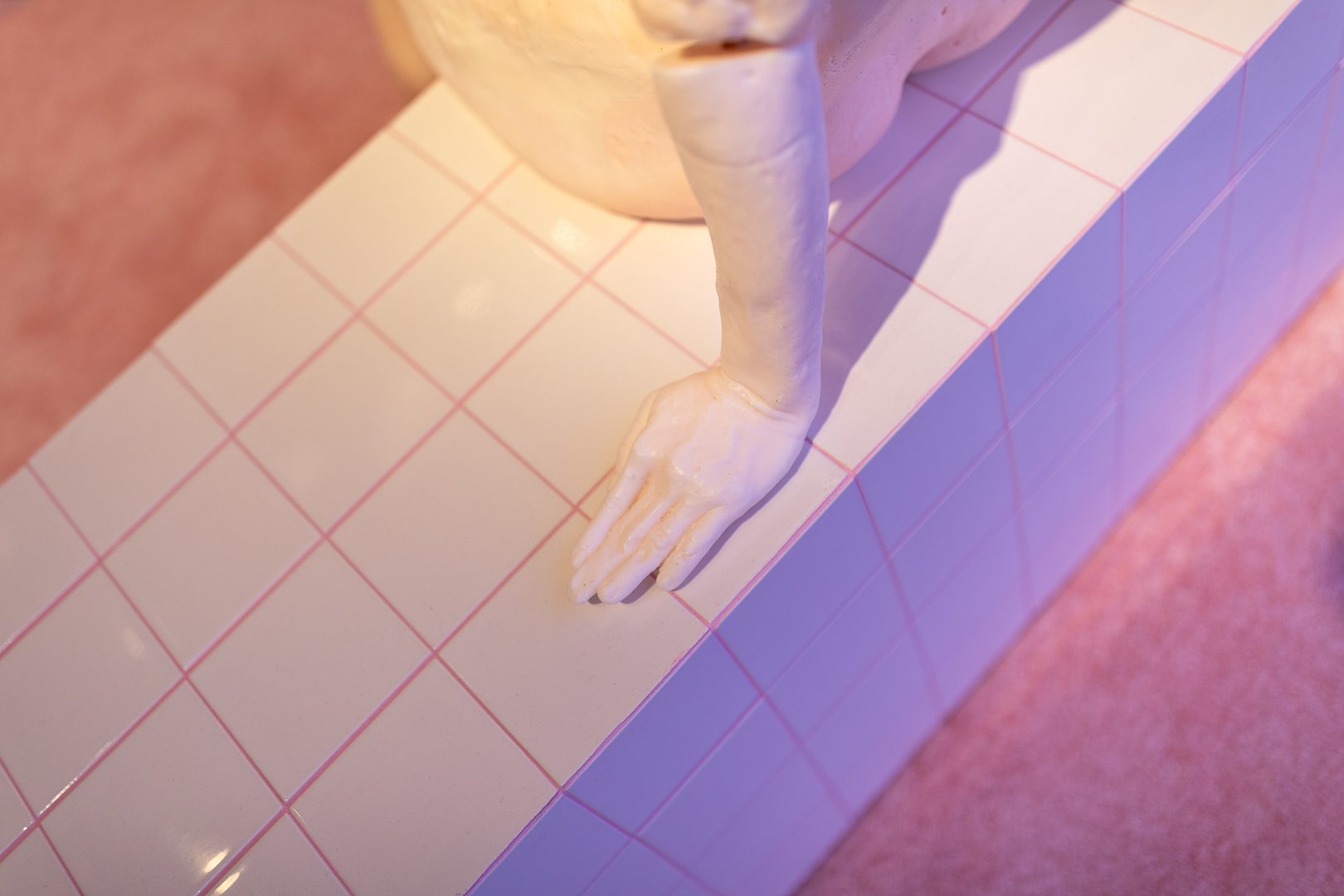
In a room bathed in pink light, two figures sit opposite each other separated by an s-shaped breezeblock wall. We are Nice ‘n Easy, artist duo and married couple Allison Matherly and Jeffrey Noble of Miami, Florida, presents a tender yet fun take on interpersonal relationships with their installation All Wet on a Pink Cloud Wearing Rose Colored Glasses (2026). The title, with its compounding on platitudes referring to comfort, joy, and pleasure, harkens back to Noble’s explanation for the duo’s name, stating that “life is hard” that’s why they’re nice and easy. The two figures hold heads in their laps, a gesture of care and intimacy in an already comforting and cozy environment. In their artist discussion, they mention the reality of being in a marriage and in managing the dynamics of their family. How privacy and intimacy becomes a rare commodity, and attention is a precious currency. It’s interesting to see artwork that manages to sincerely talk about relevant and relatable topics without the pressure of polemics and politics. We are Nice ‘n Easy’s unabashed commitment to creating art that refers to ease— with installations and images that conjure sensations of basking under the sun and being allowed to focus one’s energies into self-care and loving those we love— is refreshing and shockingly radical.
Published on August 21, 2026
For more information on the 12th Annual Florida Prize in Contemporary Art and the Orlando Museum of Art please visit: https://omart.org